
When designing a home theater, prioritize soundproofing and understand the STC rating, which measures sound reduction capabilities. High STC ratings are essential for minimizing noise disturbance in surrounding areas.
soundproofing
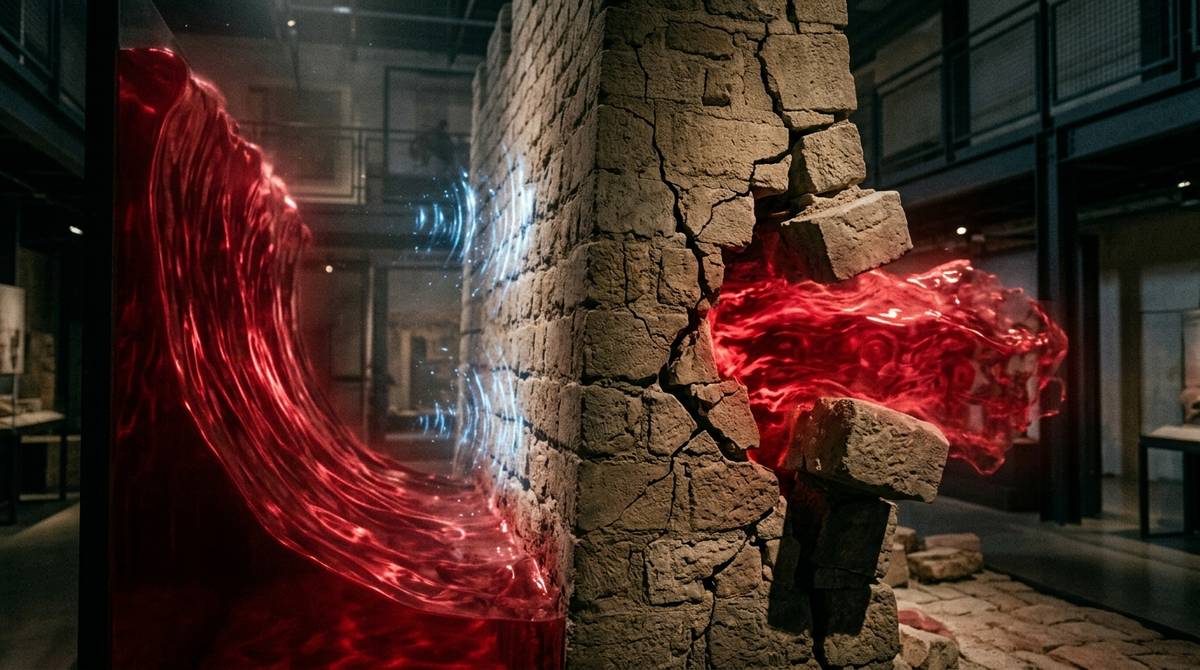
Building a home theater requires advanced techniques to manage low-frequency bass, which traditional soundproofing methods often fail to control.
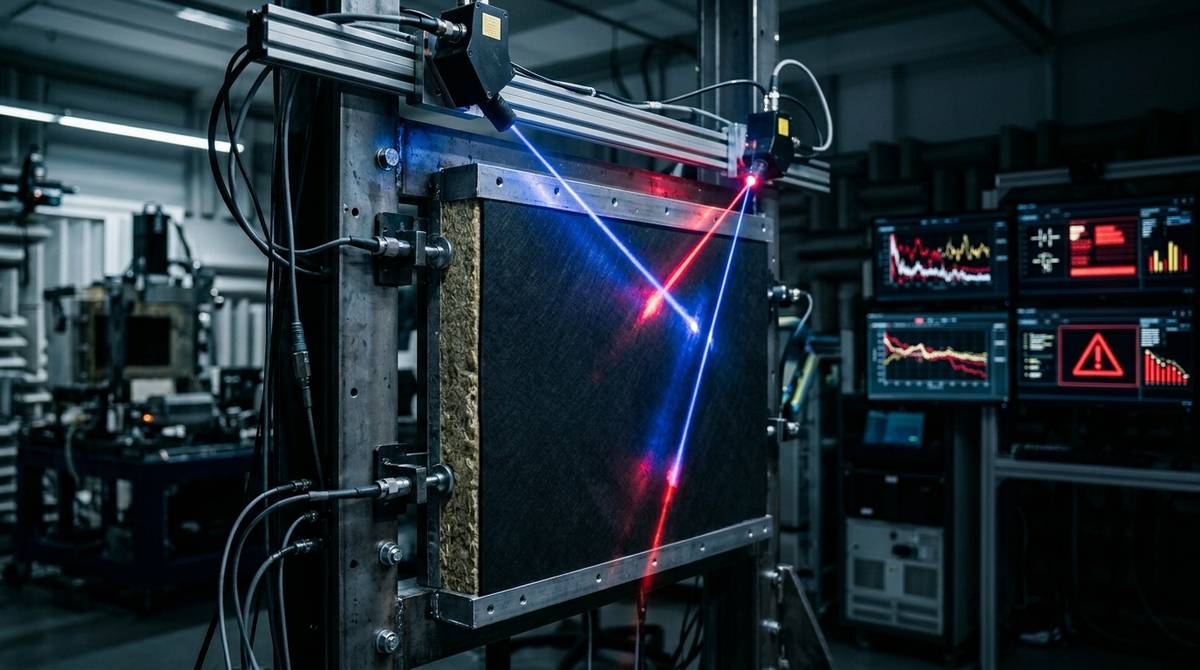
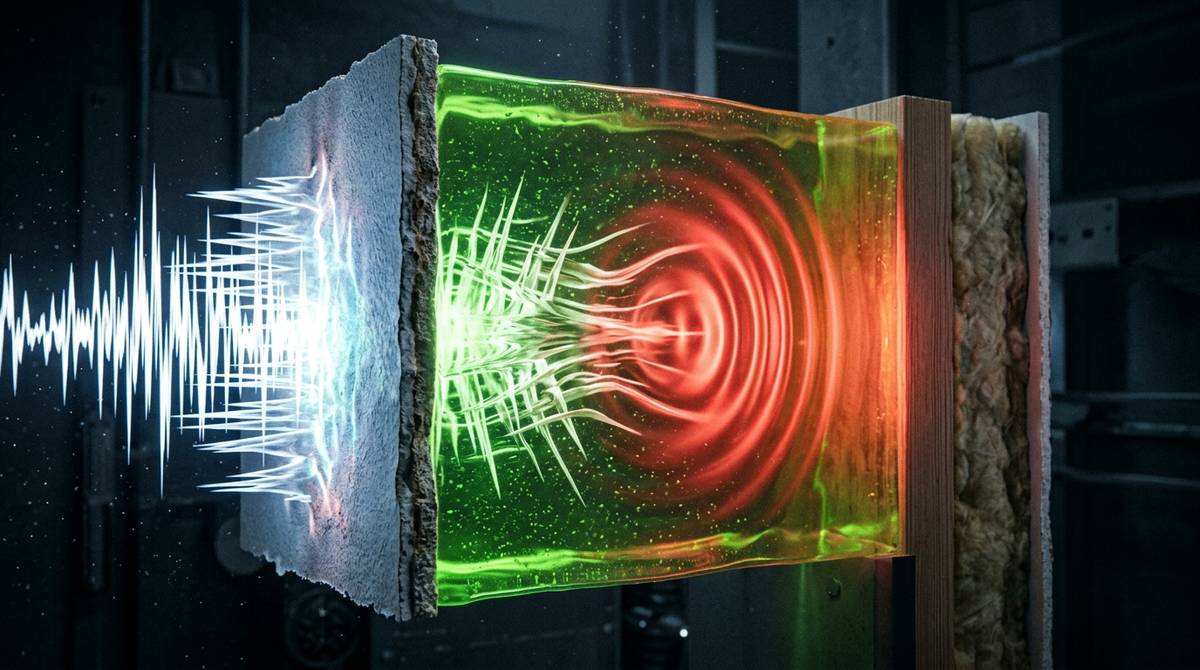
Achieving effective sound isolation in home theaters is crucial, with viscoelastic damping outperforming traditional mass-loaded barriers significantly.
To achieve effective sound isolation in a home theater, combine constrained and unconstrained layer damping technologies for optimal noise control.
When creating a home theater, prioritize acoustic engineering over equipment; using extra drywall is ineffective for soundproofing, worsening bass transmission instead.
Designing a home theater involves overcoming sound containment challenges; modern solutions favor viscoelastic damping over the outdated Mass Law for effective soundproofing.
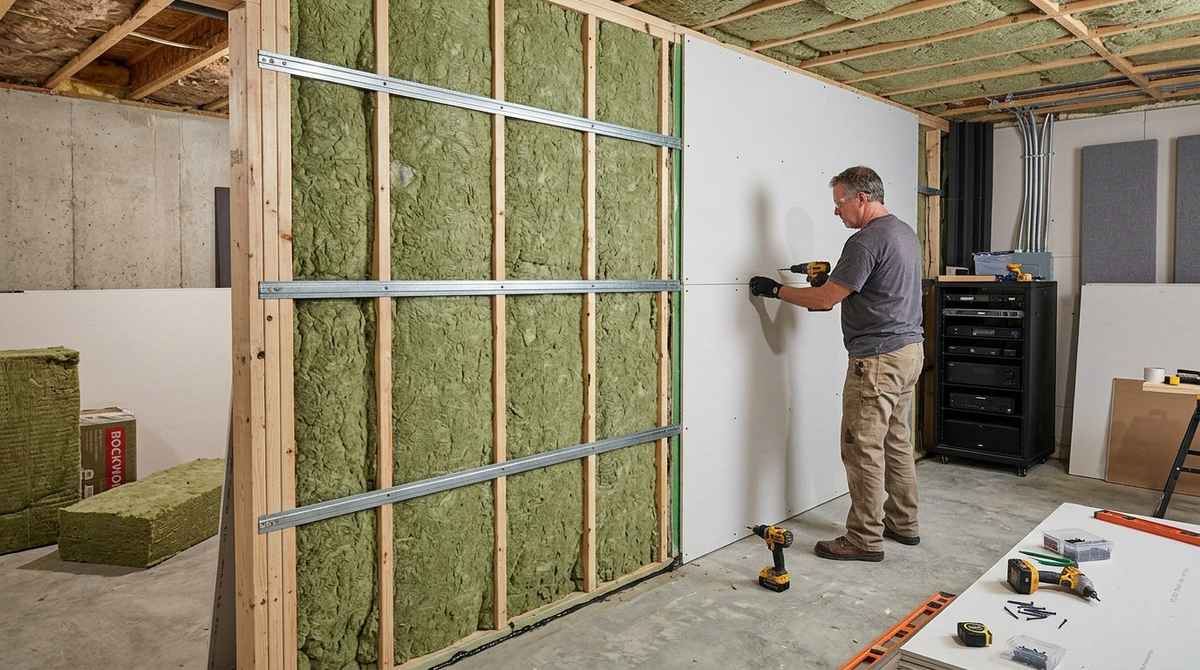
Standard fiberglass insulation is ineffective as a soundproofing solution, providing minimal noise reduction and failing to block low-frequency bass.
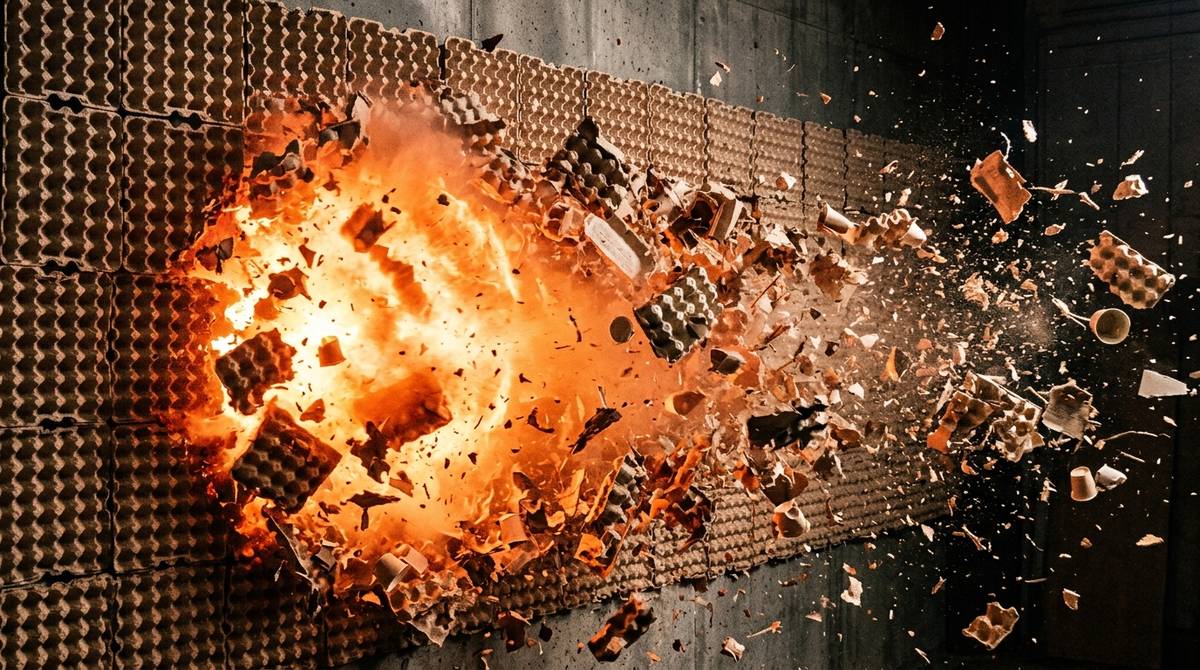
Gluing egg cartons to walls doesn’t work for soundproofing; advanced damping technology is essential for effective noise reduction in home theaters.
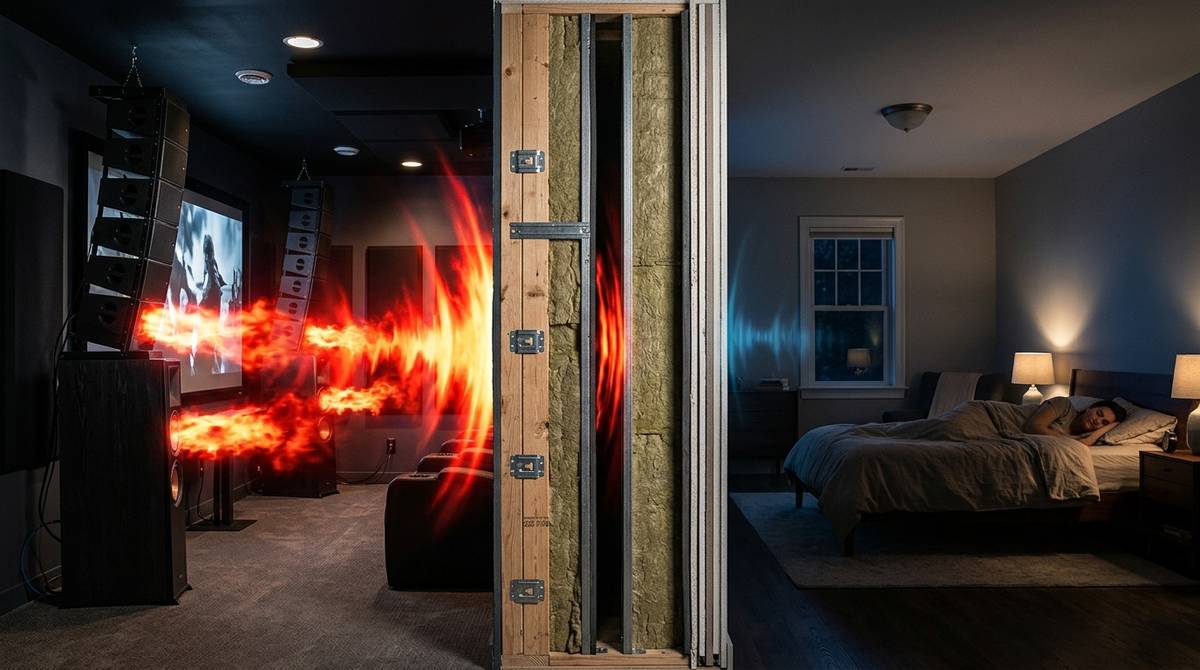
When creating a home theater, prioritize acoustic isolation to manage outbound noise and prevent inbound noise, ensuring both neighborly peace and immersive viewing experiences.
