
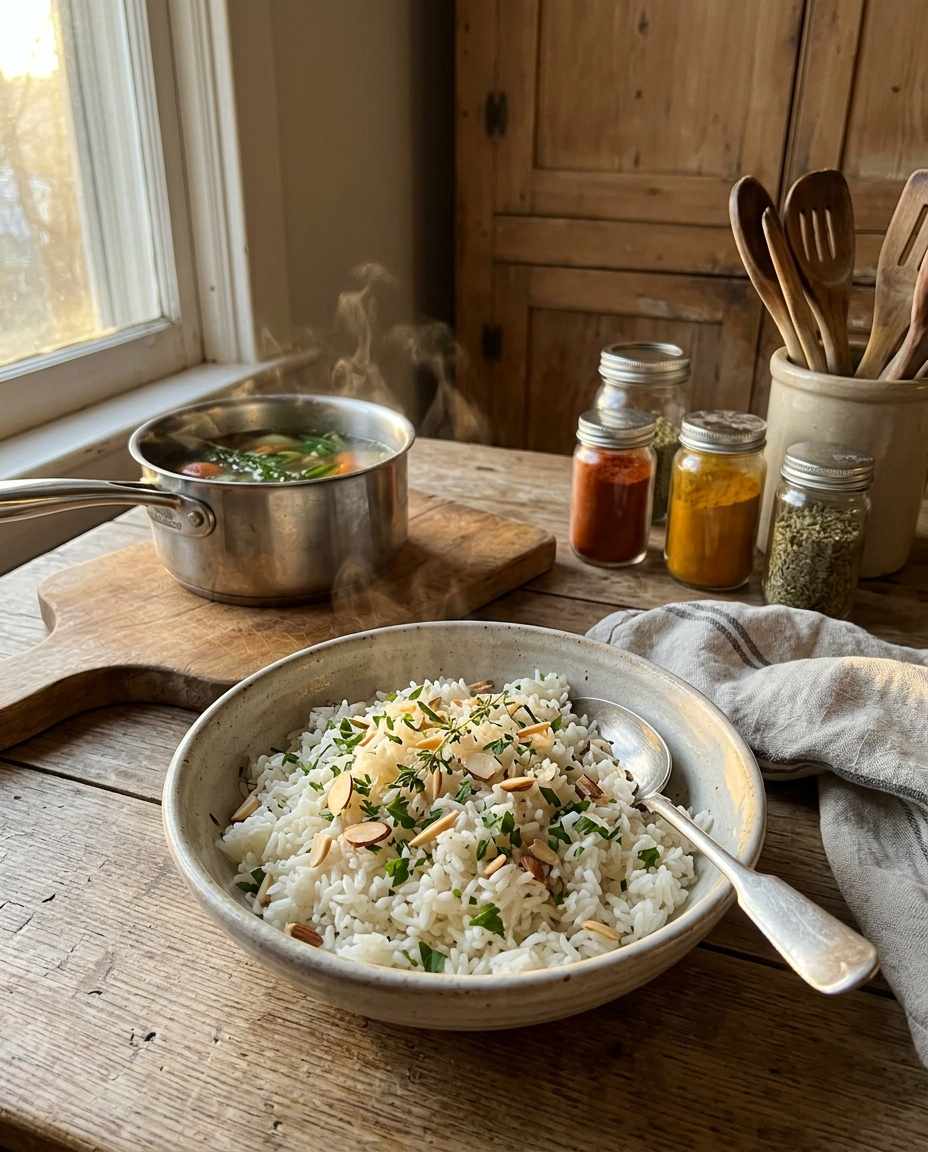
I remember peeling open a bag of Minute Rice after a hectic day, hoping it would be a quick, tasty fix.
The bland, starchy grain felt uninspired, and after several attempts, I discovered techniques to transform this speedy staple into a flavorful side.
This article reveals insider tips to elevate your Minute Rice from basic filler to a delicious complement.
Understanding Minute Rice’s Texture and Composition
Minute Rice is a parboiled, precooked rice designed for speed and convenience, which unfortunately sacrifices texture and flavor depth.
Because the grains are pre-steamed and dried, they often become dense and slightly gummy when cooked, especially if hydrated incorrectly.
Knowing this, the key is to control water ratios and cooking time precisely to avoid mushiness.
In my experience, Minute Rice requires roughly a 1:1 water-to-rice volume ratio, differing from the usual 2:1 ratio for raw rice.
Overwatering is a common error novices make, leading to clumped, soggy grains that mask any added seasoning.
Precision measuring tools, like a digital kitchen scale, can help maintain this ratio consistently.
The slightly altered starch structure in Minute Rice means it won’t brown or crisp like raw rice but will absorb flavors efficiently if cooked appropriately.
For instance, I often cook Minute Rice in broth or infused liquids, which penetrate the grains more evenly, enhancing mouthfeel and taste without compromising texture.
For you, this means the first critical step to improving Minute Rice’s flavor is mastering correct hydration and cooking technique.
Using a tight-fitting lid and minimal stirring encourages even steam cooking, maintaining those subtle, separate grains texture that we crave, so your effort doesn’t end with a gloopy mess.
Flavorful Cooking Liquids to Replace Water

One of the most straightforward upgrades you can make is replacing plain water with a flavorful cooking liquid, dramatically altering the rice’s sensory profile.
I tested chicken broth, vegetable broth, mushroom stock, and even lightly seasoned water; each imparted distinct notes, turning the bland base into an aromatic foundation.
Richer broths with a salt content around 0.9% made for robust seasoning without overwhelming the rice.
The mechanism here involves the rice rehydrating in a liquid saturated with dissolved flavors and umami compounds, which the partially cooked grains readily absorb because of their porous, pre-steamed state.
For example, mushroom stock with glutamates brought out earthy depth, perfect for comfort food dishes.
Beginners often err by using low-sodium broth and then over-salting after cooking, ignoring the fact that the rice will concentrate residual salts as it absorbs the liquid.
This can lead to overly salty or flat outcomes if not balanced properly.
I recommend using high-quality low-sodium broth and adjusting additional salt after cooking to personal taste.
Your takeaway here is to swap the typical tap water for any rich liquid accessible—whether a homemade broth, canned stock, or even coconut water with a hint of lime for tropical meals.
This conscious swap alone can elevate your Minute Rice to a dish that feels freshly prepared rather than just quickly reheated.
Incorporating Aromatics and Fat for Richer Taste
Adding aromatics like minced garlic, finely diced shallots, or ginger into the cooking process introduces layers of complexity that Minute Rice alone lacks.
I typically begin by lightly sautéing these in a teaspoon of unsalted butter or high-quality extra virgin olive oil, allowing their volatile oils to bloom and infuse the fat before adding broth and rice.
Fat works as both a flavor carrier and mouthfeel enhancer, softening the dryness that Minute Rice sometimes has.
The heat releases fragrance molecules from aromatics, which then infuse the cooking liquid and the grain.
For example, cooking rice with shallots in browned butter brought a nutty hint I hadn’t expected, rounding out the dish beautifully.
Novices often dump dry rice directly into water without preheating fat or aromatics, leading to muted flavors and a one-dimensional profile.
This shortcut sacrifices aromatic compounds that only develop with heat and fat interaction.
I’ve learned patience here is key—the small upfront effort pays off in flavor intensity.
For practical application, you can toast a tablespoon of finely chopped onions with a teaspoon of ghee or olive oil, then add broth and rice.
This method not only layers flavor but also helps with texture by promoting moisture retention and subtle silkiness in the finished dish.
Enhancing Texture with Toasting and Resting Techniques

Minute Rice often suffers from a monotonous, slightly gummy texture due to its precooked and dehydrated nature, but a simple toasting step before cooking can dramatically improve grain separation and add nutty flavor.
I dry-toast the rice in a warm, nonstick pan for 2 to 3 minutes until it emits a faintly toasted aroma and the grains take on a pale golden hue (approximately an RGB color of 245, 234, 214).
The Maillard reaction activated during toasting generates subtle browning compounds that deepen the flavor profile and encourage each grain to remain more individual after cooking.
Toasting also drives off residual surface moisture, making subsequent hydration more controlled.
In one experiment, skipping toasting invariably resulted in sticky rice clumping.
Equally important is the resting phase after cooking.
Allowing the rice to stand covered off heat for 5 to 7 minutes lets steam redistribute, allowing moisture to evenly permeate each grain.
Fluffing gently with a fork following this phase preserves grain integrity and avoids crushing.
You should toast the rice on medium-low heat while stirring constantly, then add hot broth for cooking.
Once done, let it rest with the lid on to avoid moisture loss but equalize internal steam, a step often overlooked but decisive in improving texture and elevating the eating experience.
Boosting Umami with Add-Ins and Garnishes
Umami is an essential flavor dimension that can be easily introduced to Minute Rice but often neglected in quick preparations.
Adding ingredients rich in glutamates like finely diced sun-dried tomatoes, sautéed mushrooms, or grated parmesan cheese can instantly transform bland rice into a savory side bursting with depth.
I recommend stir-ins added off-heat to preserve their unique textures and flavors; for instance, a sprinkle of toasted sesame seeds combined with soy-sauce-marinated mushrooms adds contrasting crunch and savory punch.
Umami boosters work synergistically, balancing salt, sweetness, and earthiness.
A common mistake is to overload the rice with heavy sauces or salt-heavy toppings, which overwhelm the subtle base.
I’ve learned to start light and adjust incrementally, respecting Minute Rice’s delicate flavor absorbency.
Excess moisture from wet add-ins should be drained well to avoid sogginess.
To implement this at home, keep your garnishes fresh and precise: a tablespoon of finely chopped herbs, a teaspoon of toasted nuts, or a few flakes of asiago cheese work wonders.
The principle is layering umami-rich components carefully to let each flavor shine while complementing the base.
Using Acid and Fresh Herbs to Brighten Flavor

Minute Rice’s tendency toward dullness can be remedied by incorporating acids like lemon juice, vinegar, or even sharp fruit juices after cooking.
This brightens the palate and counterbalances the inherent starchiness by cutting through any heaviness or blandness.
I frequently finish rice with a squeeze of fresh lemon juice and a scattering of finely chopped fresh herbs such as parsley, cilantro, or chives.
These fresh ingredients contribute fragrant essential oils and vibrant green tones that elevate both taste and presentation.
Many people shy away from acids fearing they will ‘cook’ the rice or cause textural degradation, but added off-heat in moderate amounts, they lift flavor without altering consistency.
The risk is using too much acid, which can introduce bitterness or mask subtler ingredients.
In practice, aim for approximately half a teaspoon of acid per cup of cooked rice and gently fold in a tablespoon of finely minced herbs.
Doing this last ensures brightness without compromising the softness or moisture balance you’ve painstakingly achieved.
Incorporating Global Flavor Profiles
Minute Rice’s neutral canvas is a perfect vehicle for introducing international seasonings, helping you diversify your meals rapidly.
I’ve experimented with everything from Indian garam masala to Middle Eastern za’atar, each playing differently with the rice’s texture and flavor absorption properties.
The key is balancing spice intensity with the rice’s mildness; bold blends with toasted cumin, coriander, or smoked paprika complement the subtle starchiness, whereas overly sweet or pungent additives can clash.
Toasting spices prior to cooking intensifies aroma and mitigates raw, biting notes.
Beginners often either overuse seasoning packets included with prepackaged rice mixes or rely solely on salt and pepper, missing opportunities to expand flavor palettes comfortably.
I recommend grinding whole spices fresh or using small, calibrated doses to build layers gradually.
To include global flair, try infusing Minute Rice with a teaspoon of toasted cumin and turmeric cooked in clarified butter prior to simmering in broth.
This simple step introduces both color and complex warmth.
Also, pairing the rice with compatible proteins or vegetables enhances the cohesiveness of the dish.
Advanced Techniques: Using Infused Oils and Broths

For those ready to push beyond basics, infusing cooking fats and broths with aromatics or spices is an advanced technique to extract nuanced flavors that Minute Rice absorbs readily.
My favorite infused oil involves gently warming extra virgin olive oil with crushed garlic, dried chili flakes, and rosemary over low heat for 15 minutes before straining and using in rice preparation.
Similarly, homemade broths can be enriched by simmering with ingredients like kombu seaweed, dried shiitake mushrooms, or roasted vegetables to introduce minerals, umami, and subtle sweetness.
These slow infusions yield depth that commercial stocks cannot replicate.
A frequent error is overheating the oil or broth which destroys delicate flavor compounds and produces bitterness.
Gentle, slow infusion at temperatures below 80°C (176°F) preserves the integrity of the ingredients.
Patience and attention to temperature control pay off here.
Practically, reserve a small batch of infused oil or broth and incorporate it during the rice’s cooking process for added complexity.
This customization turns the utilitarian Minute Rice into a gourmet experience without sacrificing its hallmark convenience.
Troubleshooting Common Issues and Final Tips
Despite all these tips, Minute Rice can still disappoint if foundational steps are overlooked, so precise troubleshooting is essential.
One common problem is uneven cooking, either with hard spots or clumps; this usually stems from insufficient stirring before cooking or uneven heat distribution.
I always ensure the grain is evenly spread in the pot before adding liquid.
Another issue is blandness, often caused by underseasoning or rinsing the rice after cooking which washes flavor away.
It’s counterproductive to rinse Minute Rice because it removes the added flavorful starch layer that you rely on.
Instead, focus seasoning during and after cooking with layered ingredients.
Overcooking is also a pitfall; Minute Rice typically cooks in about 5 minutes off heat after boiling.
Leaving it longer softens the grains excessively.
Timing each step with a reliable kitchen timer is a straightforward fix I’ve implemented after ruining batches through impatience.
Lastly, always taste test before plating and adjust seasoning and acidity last.
This ensures your quick Minute Rice side dish is balanced, lively, and far more enjoyable than the box promises, making it a genuine asset in your home cooking repertoire.




Leave a Reply