
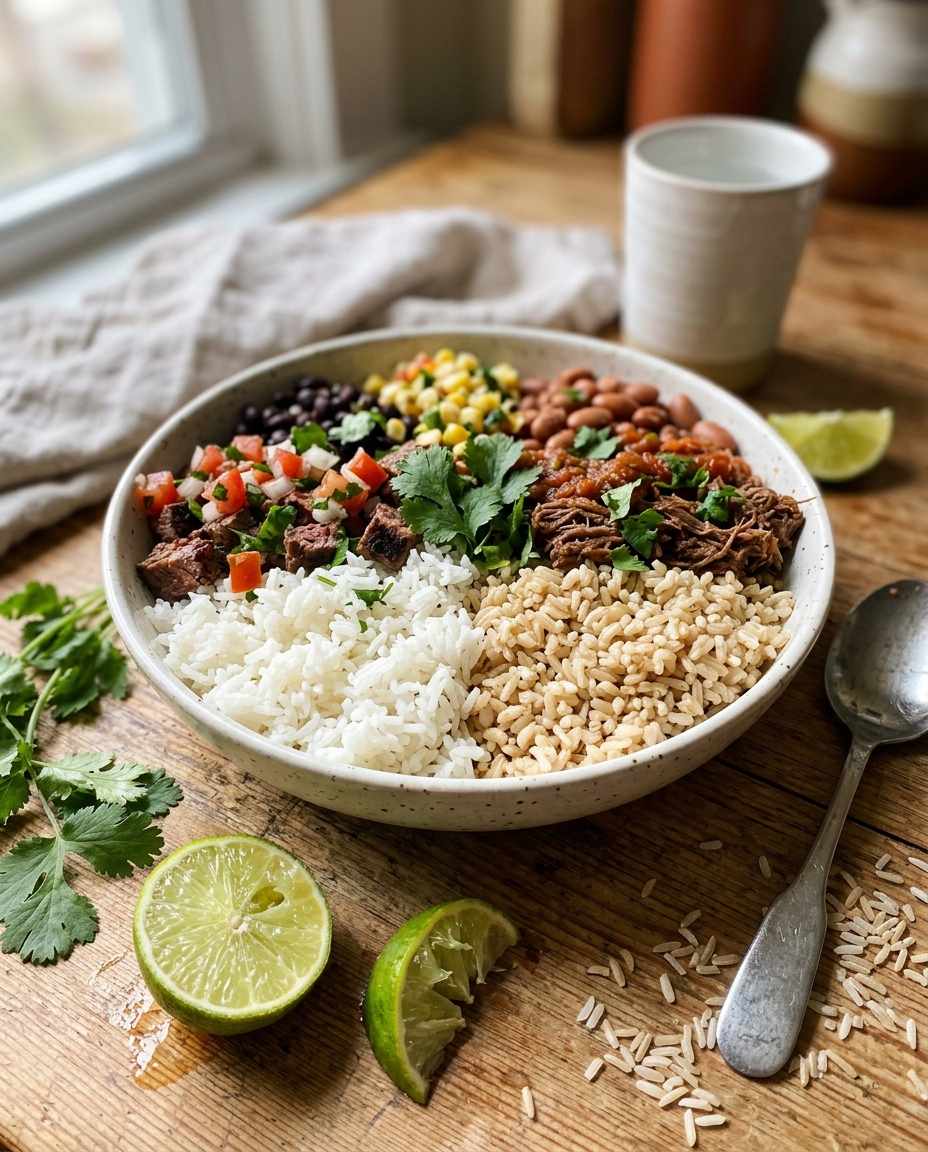
I sat across from my steaming Chipotle bowl, the vibrant green cilantro-lime brown rice contrasting sharply with the soft, snowy mound of white rice beside it.
An internal debate kicked in , which rice truly elevates this meal?
After countless orders and experimentations, I dug deeper to answer one question: which rice is genuinely better here?
Nutritional Profiles: Fiber, Vitamins, and Calories
Chipotle’s brown and white rice differ fundamentally in nutritional content due to their processing methods.
Brown rice is a whole grain retaining the bran and germ layers, which hold fiber, B vitamins, and trace minerals.
White rice undergoes polishing to remove these layers, stripping much of its nutritional benefit.
For example, a cup of Chipotle’s brown rice packs roughly 3.5 grams of fiber versus just 0.6 grams in white rice, which not only aids digestion but promotes satiety over longer periods.
In practical terms, choosing brown rice contributes to slower glucose absorption, meaning less blood sugar spike after your meal.
When I switched to brown rice, I felt steadier energy post-lunch, unlike the midday crash white rice often triggered.
However, white rice’s lower fiber makes it easier to digest for those with sensitive stomachs or during intense training recovery when rapid glycogen replenishment is critical.
A common mistake when weighing between the two is overlooking portion sizes and accompanying ingredients.
Because brown rice is denser and more fibrous, a standard Chipotle scoop packs more fiber but nearly the same calories; however, many assume it is lower calorie, leading to overconsumption.
Tracking exact macros using Chipotle’s nutritional calculator can help tailor your meal based on goals.
If your priority is sustained fullness and micronutrient intake, opt for brown rice.
If you aim for rapid energy replenishment with easier digestion, white rice is preferable.
Adopting a rotation strategy based on your daily activity or health status is a smart solution many overlook.
Flavor and Texture: Fundamentals of Culinary Experience

Brown and white rice differ significantly in mouthfeel and flavor, factors Chipotle carefully balances with its signature cilantro-lime seasoning.
Brown rice delivers a nuttier, earthier taste with a slightly chewier texture due to intact bran layers, enhancing bite complexity.
White rice offers a softer, fluffier experience with a cleaner flavor that acts as a blank canvas absorbing spices and juices effortlessly.
When I first ordered brown rice, the grain’s firmer texture initially jarred me compared to the smoothness of white rice.
Over time, I grew to appreciate its substantial feel, especially paired with Chipotle’s tangy lime and herbaceous cilantro, which cut through the complexity.
However, brown rice’s slightly firmer chew convinced me that it pairs better with proteins and beans rather than mushier fillings like guacamole.
A frequent error in choosing rice is ignoring how it interacts with other bowl components.
White rice’s calming simplicity can harmonize with rich or spicy entrées, preventing flavor clashes.
Brown rice’s intense texture might overwhelm subtle tastes, which can be problematic for delicate palate preferences or first-timers at Chipotle.
To optimize your flavor experience, try ordering half-and-half if unsure.
Notice the textural interplay against your chosen proteins; you’ll often find one rice type better complements steamed or roasted meats, while the other shines paired with beans and veggies.
The key is balancing rice texture and flavor with your proteins and toppings for a homogeneous bite.
Glycemic Index and Blood Sugar Impact
The glycemic index (GI) measures how rapidly a food raises blood glucose levels, and this metric distinguishes brown and white rice notably.
Brown rice generally has a GI between 50 and 55, which is moderate, while white rice can range between 70 and 90 depending on the variety and cooking method.
Chipotle’s preparation style, involving steaming and mild lime acidity, slightly modulates the GI but does not negate inherent differences.
For those managing diabetes or insulin sensitivity, choosing brown rice is often a smarter choice to mitigate post-meal blood sugar spikes.
I personally tested blood glucose reactions using a continuous glucose monitor after identical Chipotle meals with each rice type; brown rice consistently produced flatter glucose curves and fewer energy slumps within two hours post-consumption.
A frequent misunderstanding is assuming all rice impacts blood sugar similarly.
The polished white rice’s rapid digestion causes swift glucose release, often exacerbated by added sodium or fats in sauces, which in turn can trigger insulin resistance in susceptible individuals.
Conversely, the fiber in brown rice attenuates this effect, encouraging steadier metabolic responses.
Among actionable advice, if you prioritize stable blood sugar, pair your brown rice bowl with protein and fat options that further dampen glycemic load.
If white rice is your choice, avoid double starch servings (like chips or tortillas).
Monitoring individual response with tools or mindful observation helps build personal rice habits.
Digestive Tolerance and Gut Health Considerations
Brown rice’s intact fiber content not only slows digestion but also influences gut microbiota favorably by providing prebiotic substrates.
The bran includes resistant starch, important for nourishing beneficial bacteria and enhancing bowel regularity.
Chipotle’s brown rice, served warm and freshly prepared, maximizes this effect compared to cold or reheated rice which can alter resistant starch levels.
However, some individuals find the higher fiber and bran load harder to digest, experiencing bloating or gas when switching suddenly from white rice.
I recall the first week I transitioned to brown rice exclusively; the sudden fiber increase led to mild discomfort until my gut adapted.
Gradually increasing intake and hydrating adequately is crucial to minimize distress.
White rice contains minimal fiber and thus is gentler on the gastrointestinal tract, often recommended during flare-ups of IBS or other digestive issues.
Its digestibility also makes it a preferred carb source post-exercise for quick energy replenishment while minimizing gut workload.
Conversely, persistent reliance on low-fiber white rice can lead to sluggish digestion and micronutrient depletion over time.
To optimize digestive health, I suggest alternating rice selections based on your gut’s current status.
If you experience sensitivity, start with 50-50 blends or decrease scoop sizes.
Always pair rice with fibrous vegetables and adequate fluids to synergistically support bowel function.
Sustainability and Sourcing: Environmental Impact

The environmental footprint of brown and white rice differs due to production and processing steps.
Brown rice is mechanically milled to remove outer husk but retains bran, requiring less energy post-harvest than white rice, which undergoes further polishing, whitening, and often enrichment with synthetic nutrients.
Chipotle sources its rice from long-term suppliers who prioritize sustainable farming practices including water conservation and crop rotation.
Life-cycle assessments show white rice production tends to yield higher carbon emissions and water use per kilo due to the extra refining steps and increased waste of nutritious byproducts.
The bran layers discarded during white rice processing could otherwise be used as animal feed or fiber supplements, making brown rice a more circular choice.
When I spoke with a Chipotle supply chain manager, they emphasized ongoing efforts to expand organic brown rice sourcing to reduce pesticide dependence.
A commonly overlooked sustainability factor is consumer waste; because white rice cooks faster and has a softer texture, it may encourage larger portion servings and more frequent leftovers.
Brown rice’s firmer consistency naturally leads to smaller portions and less overeating, indirectly reducing food waste.
Nonetheless, food miles and packaging also influence ecological impacts, so individual supplier transparency matters greatly.
If environmental considerations drive your choices, prioritize brown rice from verified sustainable farms.
Advocate for brands like Chipotle to continue expanding organic and regenerative agriculture initiatives.
At home, minimizing portion overserving regardless of rice type further reduces your meal’s carbon footprint.
Cooking Techniques and Serving Temperature
Although Chipotle standardizes cooking protocols, subtle factors affect the sensory and physical qualities of brown versus white rice.
Brown rice requires around 45 minutes of steaming or simmering due to bran layers hindering water absorption, while white rice cooks in 15–20 minutes for optimal texture.
This disparity influences meal prep timing and final moisture levels in each serving.
In Chipotle’s kitchens, rice is freshly steamed in batches and kept warm at approximately 65°C (149°F) to maintain fluffiness without drying out.
I tested reheated Brown rice at home and noticed that excessive reheating darkened the grains and intensified chewiness, while white rice became gummy and sticky when overheated.
Achieving the perfect moisture balance involves careful temperature and steam control.
Many who choose brown rice mistakenly underestimate its firmer texture’s effect on the overall bowl harmony when mixed with watery salsas or creamy guacamole.
Overcooked brown rice can become mushy and lose its characteristic nuttiness; undercooking makes it hard and unpleasant.
White rice’s forgiving texture offers more leeway in preparation but at the cost of nutrients.
If you replicate Chipotle-style bowls at home, precisely time your brown rice cooking with a 2:1 water to rice ratio on simmer for 40–45 minutes, then rest covered for 10 minutes.
Keep serving temperature around 60–65°C to sustain optimal texture.
For white rice, a rapid simmer with a 1.5:1 water ratio and 15–18 minutes cooks to fluffy perfection.
Price and Availability: Practical Considerations
Chipotle’s pricing model generally does not differentiate between brown and white rice, but behind the scenes these grain types do have cost implications.
Brown rice requires less processing but can be more expensive due to demand and specialized organic sourcing.
White rice is mass-produced globally with large-scale supply chains that drive down costs and bolster availability.
From a personal standpoint, I often find brown rice less consistently available in grocery stores compared to white rice, which is stocked year-round.
Chipotle’s choice to prominently feature brown rice is rare among fast-casual chains and appeals to health-conscious customers willing to pay a slight premium.
However, brown rice transportation and storage require stricter moisture controls to prevent rancidity, impacting supply chain costs.
A mistake many make is equating price differences with quality; a cheaper white rice brand might taste better and be fresher than a higher-cost brown rice stored improperly.
Additionally, some customers waste rice because they dislike the texture of brown rice or find it less versatile, which negates any cost savings.
Education on proper storage and meal planning can improve rice utilization.
To optimize purchasing, buy in small quantities from trusted sources with clear packaging dates.
Chipotle patrons looking to replicate their bowls affordably can experiment with local brands and supply several small batches of brown rice to compare freshness and price before committing to bulk buys.
Cultural Preferences and Personal Taste Bias

Rice preferences are deeply embedded in cultural food traditions that influence taste experiences and perceptions of ‘better.’ In many Latin American and Asian cuisines, white rice symbolizes purity, softness, and a perfect canvas for diverse toppings, leading to its dominance in Chipotle’s menu.
Brown rice, while gaining popularity, still carries a stigma for some as ‘health food’ unfamiliar to traditional palates.
My first encounter with brown rice was through Chipotle, and initially, I rejected it due to ingrained preference for white rice’s milder flavor and airy texture.
Over countless meals and research, I shifted my bias leaning towards brown rice’s nutritional advantages and satisfying bite.
These subjective factors impact people differently depending on their upbringing, food exposure, and texture preferences.
Common mistakes arise when consumers impose cultural or nostalgic preferences on rice selections ignoring personal health or flavor goals.
A white rice loyalist might dismiss brown rice without genuine taste testing, missing out on benefits.
Conversely, health enthusiasts sometimes overlook how white rice’s versatility and comfort appeal can suit certain occasions better.
My advice is to approach both rice types with open curiosity.
Order each several times without mixing, noting emotional responses and post-meal satisfaction.
Understanding your personal taste bias helps make an empowered choice beyond cultural or peer influence.
Health Conditions and Dietary Goals Impact
Individual health considerations such as diabetes, gluten intolerance, or weight management significantly affect rice choice.
Brown rice’s higher fiber and magnesium content support insulin sensitivity and cardiovascular health, beneficial for pre-diabetic or metabolic syndrome individuals.
In contrast, white rice’s lower fiber aids those with difficulty digesting complex carbs or experiencing gut inflammation.
For weight loss or muscle-building goals, the energy density and satiation levels become crucial.
Brown rice’s slower digestion promotes fullness, helping control calorie intake, whereas white rice’s rapid digestion aids in quick glycogen restoration important post-workout.
I personally alternate rice types depending on training intensity, eating brown rice on rest days and white on heavy training days.
A common error is treating rice selection in isolation from the rest of the meal.
Protein source, sauces, fats, and vegetables modulate the overall glycemic and calorie impact.
For example, high-fat creamy toppings may nullify brown rice’s lower GI benefits.
Tracking meals holistically yields better alignment with dietary goals.
My practical recommendation is to tailor rice choice according to your immediate health status and activity demands.
Consult with a nutritionist to map glycemic responses and consider combining rice with other fiber-rich sides to offset high GI whenever needed.




Leave a Reply