
Crabgrass is a common and stubborn summer weed that can quickly overtake your lawn if left unchecked.
This comprehensive guide offers expert insights on identifying crabgrass, understanding its growth habits, and implementing effective control methods.
By following these strategies, you can reclaim a lush, healthy lawn free of crabgrass.
Understanding What Crabgrass Is
Crabgrass is an annual grassy weed known for its rapid growth and ability to outcompete desirable lawn grasses.
It thrives in warm weather, which is why it becomes particularly troublesome during summer months.
Unlike perennial weeds, crabgrass completes its entire life cycle within one year, making timely intervention crucial.
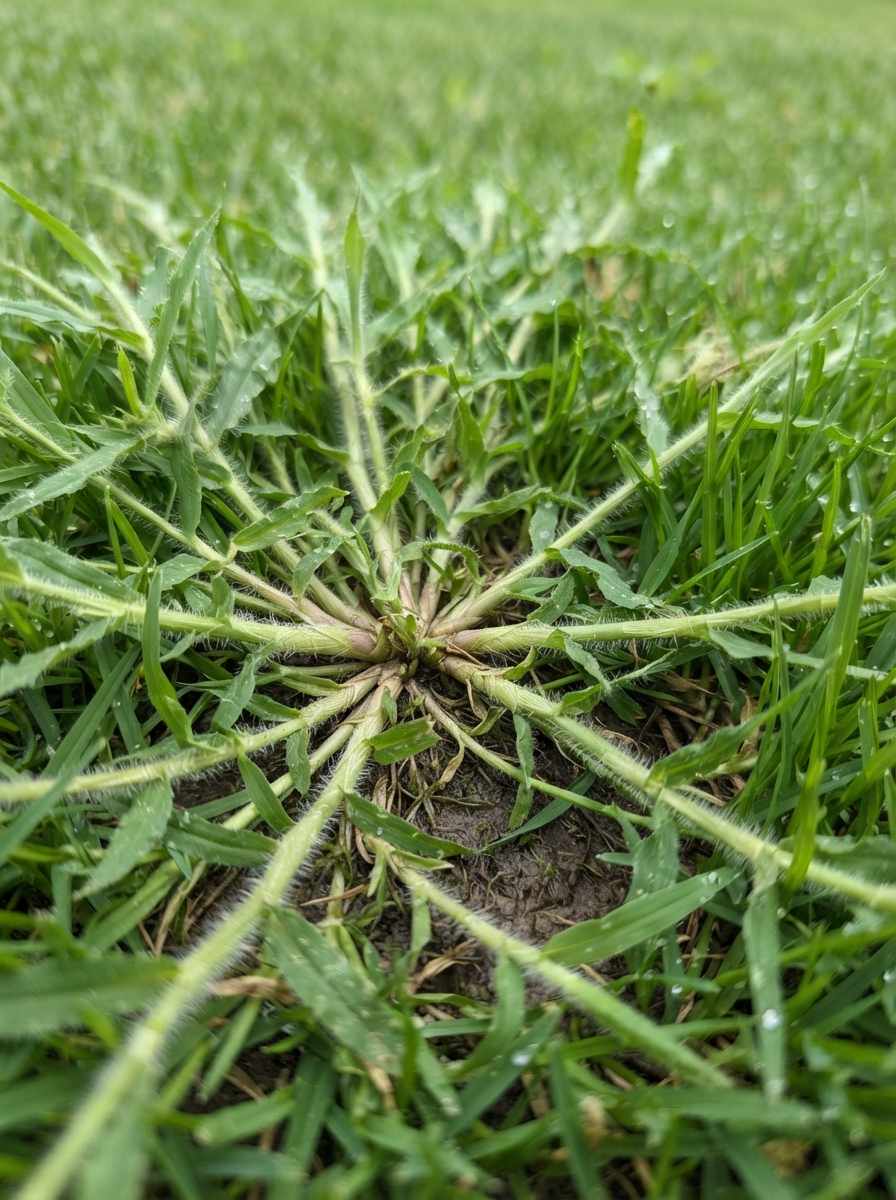
The weed produces coarse, spreading stems that radiate outward from a central point, forming dense mats that choke out existing lawn grasses.
Its ability to germinate quickly in bare or damaged soil allows it to exploit weaknesses in your turf.
Homeowners often mistake crabgrass for wild grass, but recognizing its distinctive growth pattern is key to control.
Understanding crabgrass biology directly impacts treatment success.
Since it depends on seed reproduction, preventing it from seeding can drastically reduce future infestations.
In-depth familiarity with how it grows enables you to identify early signs and take targeted action before it overruns your lawn.
Identifying Crabgrass Effectively

Accurate identification is the foundation for successful crabgrass control.
The image depicts a close-up of crabgrass in its early stage,a distinctive weed with spiny, hairy stems radiating in a starburst pattern from a central root base nestled in a sparse patch of soil.
The leaves are broader and coarser than most lawn grasses, often lighter green.
Crabgrass typically appears lower to the ground and sprawls outward unlike the upright growth habit of typical lawn grasses.
Early identification allows you to target it mechanically or chemically before it spreads seeds.
Mistaking crabgrass for other weeds can lead to ineffective treatments and wasted effort.
Looking closely for its unique shape and texture will help you spot infestations early.
Inspect patches of thinning turf or uneven growth areas periodically, especially on hot, dry days when crabgrass thrives the most.
Prevention Through Lawn Maintenance

Prevention is the best defense against crabgrass, as a thick, healthy lawn naturally inhibits weed invasion by denying it space and nutrients.
Regular mowing at the proper height encourages dense grass growth and shades out crabgrass seedlings trying to establish.
Deep and consistent watering practices promote strong root development in your lawn grass, making it more resilient to both drought and weed encroachment.
Avoid overwatering, as crabgrass thrives in compacted, poorly drained soils.
The photo showing a lush, green lawn with sprinklers watering captures an ideal summer irrigation setup, creating an environment hostile to crabgrass but favorable to turf.
Feeding your lawn with the right fertilizers at recommended intervals strengthens grass and improves recovery from stress.
Combining these maintenance tactics reduces bare spots,prime real estate for crabgrass to invade.
The Role of Proper Watering

Water management plays a critical role in crabgrass control.
The image showing an irrigation hose laid over green grass in a late afternoon setting illustrates how targeted watering can be both efficient and effective.
Drip irrigation or soaker hoses reduce surface moisture where crabgrass seeds germinate.
Frequent, shallow watering encourages crabgrass roots to stay near the soil surface, increasing their vulnerability.
In contrast, deep, infrequent watering promotes deep root systems for desirable grasses, making them more competitive.
You want to water lawn grasses deeply enough but less often to discourage crabgrass establishment.
Early morning watering minimizes evaporation and fungal issues while optimizing absorption.
Proper watering prevents the dry patches and bare soil perfect for crabgrass invasion.
Manual Removal Techniques for Crabgrass

Manual removal remains one of the most effective crabgrass control methods, particularly during early stages of infestation or in small areas.
The photo depicts hands wearing gloves using a garden fork to carefully uproot Crabgrass from soil, a method requiring patience but guaranteeing complete root removal.
Pulling or digging helps ensure no part of the plant is left behind to regrow or produce seeds.
Timing is critical; a moist soil condition makes removal easier and reduces root breakage.
This approach is chemical-free and ideal for organic gardeners or sensitive lawn areas.
While labor-intensive, manual control combined with other strategies lessens reliance on herbicides and helps maintain a healthier lawn ecosystem.
Using Herbicides Wisely and Safely

Chemical control is often necessary for severe crabgrass problems, but must be applied carefully to protect your lawn and the environment.
The image shows a woman in garden gloves and sunglasses spraying an herbicide directly onto a crabgrass patch, illustrating targeted spot treatment to minimize chemical use.
Knowing the difference between pre-emergent and post-emergent herbicides is crucial.
Pre-emergents prevent crabgrass seeds from sprouting, whereas post-emergents kill existing plants.
Applying herbicides at the correct time and according to manufacturer guidelines reduces damage to your lawn.
Overuse or misuse can harm beneficial grasses and contaminate local waterways.
Always wear protective gear, keep children and pets away, and consider natural alternatives or spot treatments whenever possible.
The Importance of Mowing Practices
Mowing height and frequency greatly influence crabgrass control.
Keeping your grass at the recommended height based on species creates a dense canopy that shades soil, limiting crabgrass seed germination.
Frequent mowing removes the seed heads of crabgrass before they disperse, significantly lowering future weed pressure.
However, cutting too short weakens desired grass and leaves bare patches vulnerable to crabgrass invasion.
Regular blade maintenance, illustrated by the photo of a person sharpening lawn mower blades in a workshop, ensures clean cuts that reduce plant stress.
Dull blades tear grass, making it susceptible to disease and crabgrass competition.
Proper blade care complements mowing technique to maintain lawn health.

Soil Health and Fertility Management
Crabgrass often exploits soils that are compacted, low in nutrients, or have poor drainage.
Enhancing soil health through aeration breaks compaction, promotes oxygen flow, and supports beneficial microorganisms that aid turfgrass growth.
Fertilizing with a balanced formula tailored to local soil tests prevents nutrient deficiencies that weaken lawn grasses and invite crabgrass encroachment.
Maintaining neutral pH also optimizes nutrient uptake.
This unseen foundation directly affects lawn vigor and resistance to weeds.
While no image specifically shows soil testing or aeration, these steps are a vital unseen part of crabgrass prevention.
Poor soil health is a common yet overlooked reason why crabgrass gains a foothold.
Edge Control and Mulching Strategies
Maintaining clean lawn edges and using mulch in garden beds limits crabgrass invasion.
The photo of a gardener neatly edging a flower bed and applying mulch vividly captures how these barriers prevent crabgrass seeds from sprouting in adjacent turf.
Mulch blocks light that crabgrass seeds need to germinate and creates a physical barrier that reduces seed dispersal onto lawns.
Regular edging keeps grass from spreading uncontrolled into flowerbeds and reduces weed migration.
Incorporating mulching and edging into your lawn routine enhances the overall health and appearance of your yard by controlling crabgrass at its margins, a frequent yet neglected ingress point.

Common Mistakes in Crabgrass Control
Many homeowners unknowingly sabotage their crabgrass control efforts through common missteps.
Applying herbicides too late after crabgrass has matured results in weak control and wasted product.
Some treat infrequently or inconsistently, allowing crabgrass to rebound quickly.
Overwatering, mowing too short, or neglecting soil health leaves your lawn vulnerable, despite treatment attempts.
Another frequent error is confusion between crabgrass and similar weeds causing mistreatment.
Avoid these pitfalls by staying vigilant about timing, careful in maintenance, and informed about crabgrass biology.
Control takes a coordinated and persistent approach, not a quick fix.
Dealing with Recurrence and Long-Term Management
Even after successfully removing crabgrass, recurrence is common without ongoing vigilance.
Crabgrass seeds can remain dormant for years, sprouting when conditions become favorable again.
Preparing for this by implementing a year-round lawn care calendar reduces risk.
Rotate pre-emergent herbicides, monitor lawn density, and repair any bare patches promptly.
Integrate techniques such as proper watering, mowing, and fertilization into your regular routine to maintain strong, weed-resistant turf.
Long-term management combines proactive measures with timely interventions, preventing crabgrass from becoming a perennial problem despite its annual lifecycle.
Eco-Friendly and Organic Control Alternatives
For those seeking chemical-free solutions, adopting organic and natural crabgrass control methods can be effective though sometimes slower.
Enhancing lawn health through compost-based fertilizers, overseeding, and organic mulching builds density to crowd out crabgrass.
Mechanical removal and spot treatments with natural products like vinegar or corn gluten meal target weeds without harmful residues.
Patience and persistence are key, as organic methods rely on strengthening turf rather than killing weeds outright.
While no photo directly shows organic products, gardeners passionate about sustainable practices will appreciate integrating these subtle tactics alongside conventional care for a balanced, environmentally responsible approach.



Leave a Reply