
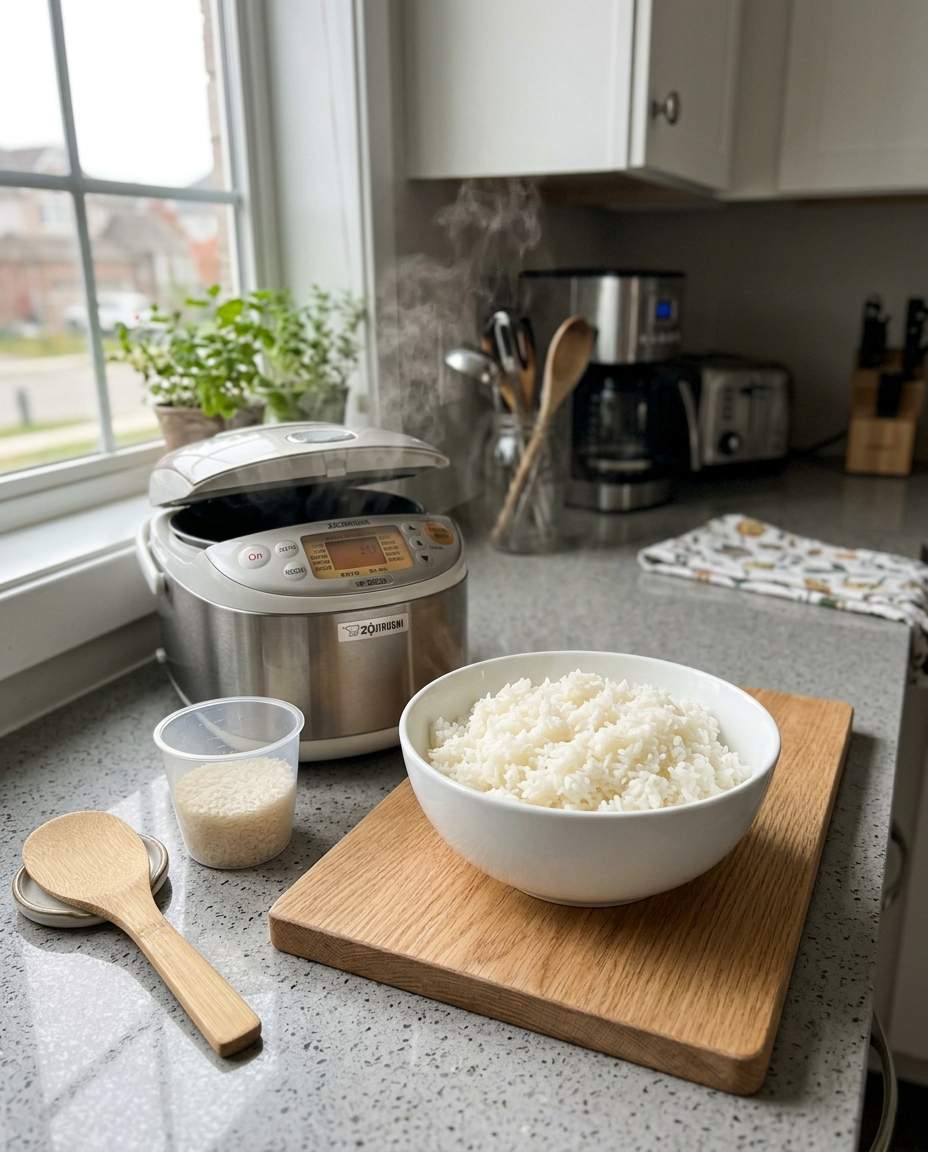
I remember the frustration the first time I tried cooking rice without rinsing it—sticky, clumpy grains glued together in a sad mess.
Yet, with precise technique and understanding, I learned how to achieve flawless, fluffy rice that requires zero rinsing.
This guide reveals the insider knowledge to make perfect rice every time, saving water and effort.
The Science Behind Rinse-Free Rice

When rice is milled and polished, it retains surface starch granules that tend to clump and create stickiness during cooking.
Typically, rinsing removes this excess starch, but with certain varieties and methods, the starch can be managed without water washing.
The underlying principle is controlling starch gelatinization and hydration uniformity, which influences grain separation.
I first experimented with rinse-free rice using high-quality, low-amylose medium-grain types.
These naturally produce less surface starch and absorb water more evenly, allowing grains to remain distinct.
A key mistake many make is using cheap or unfamiliar rice without adjusting water ratios, causing undesired stickiness.
The texture of rinse-free rice depends heavily on water absorption kinetics.
Without rinsing, you need precise hydration control, typically slightly less water than rinsed counterparts because rinsed rice has already lost some surface starch and moisture.
Practically, effective rinse-free cooking yields grains that are tender outside yet separate enough inside for a fluffy mouthfeel.
Your actionable takeaway: choose high-grade Japanese-style or premium Thai jasmine rice labeled “no rinse needed.” Use a water-to-rice ratio of approximately 1.2:1 by volume, and soak the rice briefly (10–15 minutes) before cooking to prehydrate.
This balances starch consistency and prevents clumping without any rinsing, streamlining prep without compromising quality.
Choosing the Right Rice Variety
Not every rice variety is suitable for rinse-free cooking.
For example, highly polished long-grain Basmati rice and sticky short-grain sushi rice have differing amylose contents and starch structures that affect the rinse requirement.
Medium-amylose varieties like Koshihikari or Thai Jasmine excel here.
In my early trials, I tried rinse-free cooking with long-grain Basmati and failed to get the fluffiness I desired.
The high surface starch and elongated grains caused clumping and gummy textures.
High-amylose rices absorb water differently and generally benefit from rinsing to avoid excessive stickiness.
Low-amylose rices have fewer long starch chains, reducing gelatinized stickiness and enabling rinse-free cooking.
A common mishap is not recognizing rice labeling nuances, such as “parboiled” or “converted” rice, which have altered starch profiles requiring different techniques.
For best results, purchase freshly milled medium-grain rice or premium jasmine rice marketed as “ready to cook” without rinsing.
Look for loose, translucent grains without visible powdery residue—a sign of excess surface starch—and store in airtight containers to preserve quality for optimal outcomes.
Water Ratios and Soaking Techniques

Water measurement precision is critical to successful rinse-free rice.
Typically, rinsed rice requires a 1:1.5 to 1:2 rice to water ratio, but without rinsing, less water is needed since starch isn’t washed away.
Overhydration leads to mushy, sticky rice; underhydration causes hardness or uneven cooking.
In my kitchen, I use a ratio of 1 part rice to 1.2 parts water for medium-grain rinse-free rice.
For jasmine rice, a 1:1.3 ratio works well.
Soaking rice for 10 to 15 minutes prior to cooking allows the grains to absorb moisture gently, promoting even hydration, which reduces lumps and promotes grain separation.
Skipping soaking is a common error that results in inconsistent textures, where some grains remain undercooked.
Premature cooking on dry grains triggers rapid surface gelatinization, while inner starches remain tough—a phenomenon I first experienced and corrected after consistent practice.
Your actionable advice: measure water with a digital kitchen scale (use grams for accuracy).
For a 200g rice batch, add 240g water, combine in a non-reactive pot, soak at room temperature for 15 minutes, then proceed to cook.
This careful control helps achieve reproducible fluffy results without rinsing.
Selecting the Ideal Cookware and Heat Source
The vessel used plays a significant role in rinse-free rice success.
Heavy-bottomed pots or dedicated rice cookers ensure even heat distribution, preventing hotspots that cause uneven starch gelatinization or burning.
Thin, cheap pans often produce inconsistent textures.
Initially, I used a lightweight aluminum pot that scorched rice at the bottom, creating bitter crusts while the upper grains remained undercooked and sticky.
Switching to a thick 4mm stainless steel pot with a heavy layered base immediately improved heat retention and uniform cooking.
Electric rice cookers with fuzzy logic algorithms have internal temperature sensors to adjust heat precisely, allowing perfect fluffy outcomes every time, removing guesswork.
These appliances create a moist environment that stabilizes starch gelatinization in rinse-free rice, optimizing texture outcomes.
Action step: invest in a thick-bottomed stainless steel pot (minimum 3.5mm thickness, no deeper than 4 inches for home batches) or a quality electric rice cooker with moisture control.
Avoid narrow or excessively deep cookware, which traps excess steam and disrupts moisture balance.
Mastering the Cooking Process and Steaming Time

After soaking and assembling ingredients, the cooking phase demands steady, controlled heat to allow gradual starch gelatinization without excess moisture loss.
High initial heat risks rapid surface gelatinization, causing sticky outer crusts and uncooked insides.
My preferred method begins with medium-high heat until a faint simmer forms, then promptly reduce to the lowest heat setting.
I cover the pot tightly with a heavy lid to trap even steam distribution, preventing condensation dripping that can disturb grain separation.
A common novice mistake is frequently lifting the lid to check rice, releasing steam and unevenly cooling the pot’s interior, leading to inconsistent cooking.
Instead, time the simmer phase for 15 minutes, then let rice rest off heat for an additional 10 minutes before fluffing.
Your precise routine: bring rice to gentle boil, reduce heat to low, cover (ideally with a silicone gasket lid or tight-fitting lid), cook 15 minutes undisturbed, then rest covered for 10 minutes.
This sequence locks moisture inside while finishing starch development for perfect fluffiness.
Fluffing Techniques and Final Texture Adjustments
Fluffing rice immediately after cooking is vital to separate grains and release trapped steam.
Using a fork or a rice paddle gently lifts and aerates the rice, preventing compaction that leads to clumping.
The timing and tool choice affect texture immensely.
I make sure to rest rice for ten minutes first so residual heat completes hydration without sogginess.
Then I use a traditional wooden rice paddle with a shallow curve to lift grains without crushing.
During early trials, I mistakenly stirred vigorously, breaking grains and creating paste-like clumps.
Another refinement is to fluff rice just before serving, as extended standing can cause cooling and moisture redistribution, dulling texture.
For large batches, fluff in portions to maintain consistency and prevent the outer surface from drying.
You should fluff rice by gently lifting from the bottom edges upward, swirling softly rather than stirring.
Do this once after resting, then serve promptly.
This preserves fluffy texture and showcases the best characteristics of rinse-free rice preparation.
Overcoming Common Rinse-Free Rice Challenges

Even with the right rice and method, environmental variables like humidity, altitude, and water hardness can impact outcomes.
High humidity increases moisture retention, requiring slight tweaks to reduce water volume.
Altitude affects boiling points, often needing longer cooking times.
When I moved from sea level to Denver (approximately 5,200 feet elevation), my normal cooking times produced firmer rice.
After trial, I extended simmering by 3 minutes and increased rest time by 5, achieving fluffy grains despite lower atmospheric pressure.
Water mineral content also influences texture by interacting with starch molecules.
Hard water with minerals like calcium and magnesium can cause rice grains to harden if cooking times and water ratios remain fixed.
Soft, filtered water circumvents this issue.
Your advice here is to monitor rice appearance and texture closely, adjusting water by 5–10 percent increments with each attempt based on environmental factors.
Using filtered water and adjusting cooking/rest times can overcome these common hurdles inherent to rinse-free rice cooking.



Leave a Reply