
Primarily there are two types of Text-to-speech (TTS): traditional and modern.
Traditional TTS uses pre-recorded speech segments, which are then combined to create new speech. This process is called concatenative synthesis.
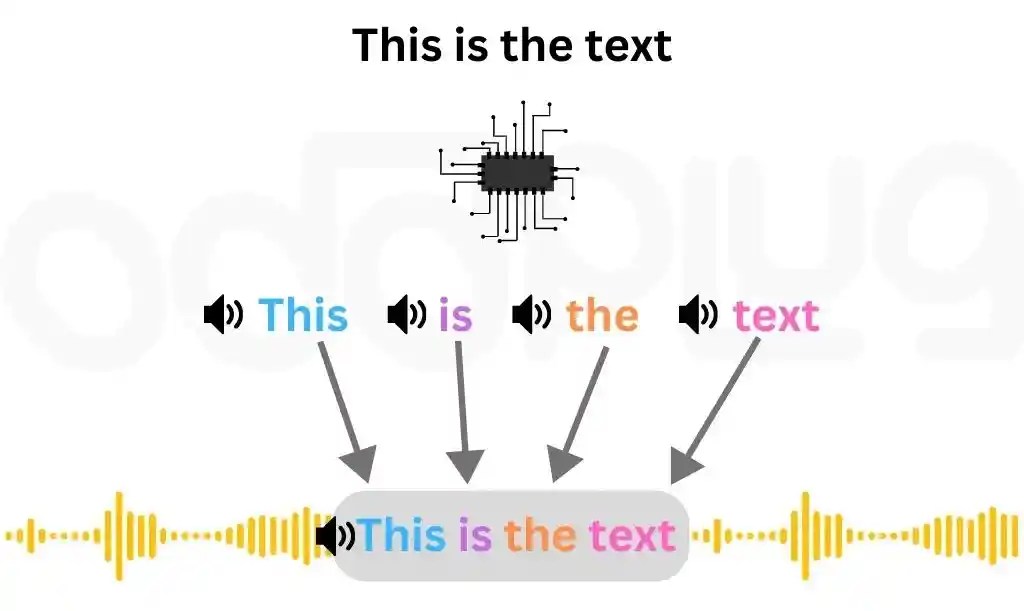
While this approach does not require AI (Artificial intelligence) or ML (Machine Learning), it can be improved by using various ML techniques to select the best speech segments for a given text.
Subscribe
Enter your email below to receive updates.
Modern TTS, on the other hand, uses deep learning techniques, such as neural TTS. These systems learn how to generate speech from text by analyzing large amounts of data.
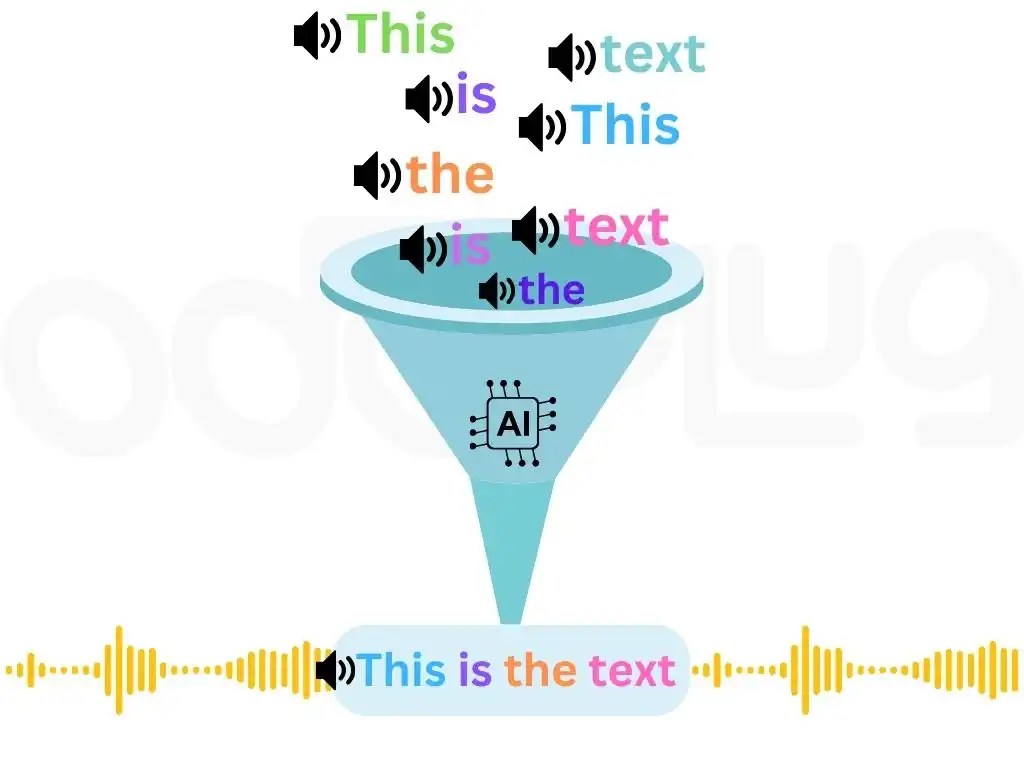
They use artificial neural networks, modeled after our brain’s structure, to create speech. This approach is more AI-based, as it relies on the AI’s ability to learn and generate speech from text.
So TTS can be both AI and ML-based, with traditional systems relying more on pre-recorded speech segments and modern systems using deep learning techniques to generate speech from text.
Subscribe
Enter your email below to receive updates.