
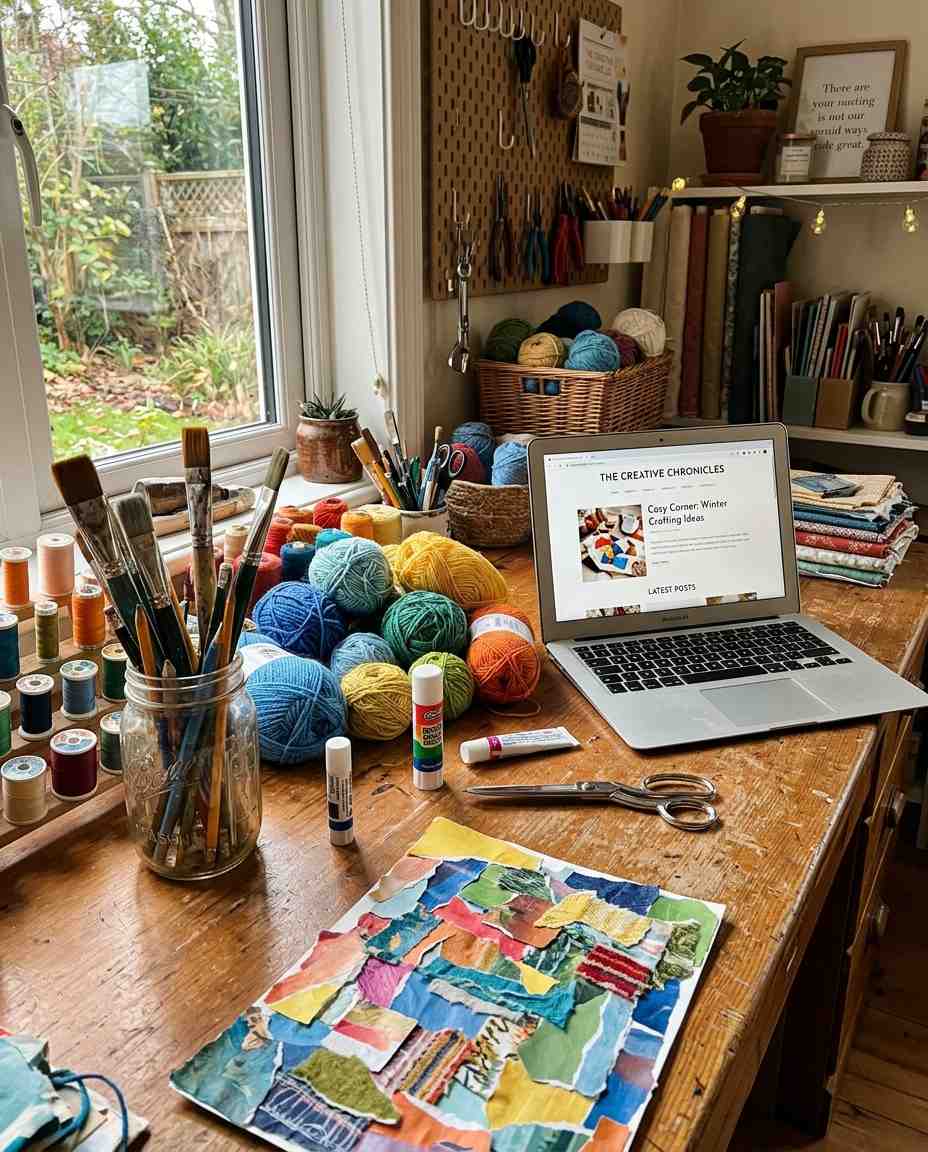
The moment I realized my crafting hobby could pay the bills, everything changed.
Turning passion into profit isn’t just a dream,it’s totally doable.
In this deep dive, I’ll show you how to start a crafting blog that not only inspires but earns.
Ready to create and cash in?
Choosing Your Crafting Niche with Precision
When I started, I made the crucial mistake of targeting too broad an audience,simply ‘crafting.’ This diluted my content and slowed my growth.
The principle is specialization; a focused niche speaks directly to a specific community, whether it’s eco-friendly paper crafts, polymer clay miniatures, or macramé wall hangings.
Narrowing your niche means zeroing in on the unique materials, techniques, and design aesthetics your audience craves.
To find your niche, analyze search volumes and social media communities.
Tools like Google Trends and Pinterest’s guided search reveal what’s trending within crafting subsets, like ‘boho macramé’ or ‘kids’ DIY slime experiments.’ The key is to identify an underserved niche with genuine interest and opportunities for fresh content.
For example, I discovered that hand-dyed fabric painting using natural pigments garnered steady monthly searches but limited quality blog content.
A common pitfall is trying to cover every craft you enjoy, which quickly exhausts time and confuses readers.
I once posted random tutorials on everything from wood carving to knitting, which led to low engagement and no community growth.
Your actionable step is creating a list of 3–5 specific craft styles you can sustain for 6–12 months, then select one that balances passion, expertise, and market interest.
Lastly, consider your target reader’s profile , their age, lifestyle, and crafting skill level.
Craft content for beginners needs measured, detailed steps, while advanced crafters want nuanced technique breakdowns.
This granularity helps you pick the right blog tone, visual style, and SEO keywords to connect deeply with your chosen tribe.
Building a Blog That Balances Aesthetics and Function

The visual design of your crafting blog is your virtual storefront; it invites visitors into your creative world or sends them away within seconds.
I tested multiple themes, ultimately favoring clean, minimalist layouts with a maximum width of 900 pixels for readability.
The blog’s color palette should align with your crafting niche: earthy tones like #6B4226 and #D9C89F for natural crafts or bright pastel shades like #FFD9E8 and #A7C7E7 for sweet paper crafts.
Typography plays a giant role in keeping readers engaged.
Select fonts that support legibility and personality, such as pairing a serif header font like Playfair Display with a neutral, sans-serif body font like Lato.
Line height of 1.5 to 1.8 increases reading comfort for longer tutorials.
I learned this after early feedback revealed my squished sans-serif text discouraged readers from finishing posts.
Practical functionality includes fast page load times, mobile responsiveness, and easy navigation.
For instance, I recommend using WordPress with an optimized theme and caching plugins to maintain sub-three-second load times.
Mobile users make up over 60% of crafting blog traffic, so menus should be no deeper than two clicks, and categories clearly labeled for intuitive browsing.
Avoid overloading the sidebar or header with distractions like unrelated ads or widgets.
My first blog looked cluttered with Instagram feeds, affiliate banners, and pop-ups all fighting for attention.
The actionable takeaway is to use white space intentionally, limit navigation options to essentials, and always preview your design on multiple devices before going live.
Content Strategy: Creating Tutorials That Convert
Crafting blogs hinge on creating content that educates, inspires, and nudges readers toward engagement or purchase.
I learned early that shallow “how-to” posts get lost in search rankings.
Instead, detailed tutorials with step-by-step photos, material lists including specific brands or product codes, and troubleshooting tips earn longevity and authority.
For example, when I wrote about hand-embossing paper with a 400-grit sanding block, 1.2mm embossing stylus, and archival ink, I included exact measurements and brand recommendations to build trust.
Including video snippets or GIFs further clarifies complex steps and keeps readers longer on your page, boosting SEO.
One mistake is failing to address common obstacles readers face.
My first polymer clay tutorial lacked warnings about over-kneading, leading to many frustrated comments.
Always anticipate hurdles your audience may encounter and offer precise solutions.
This builds goodwill and encourages return visits.
Set a sustainable publishing cadence: whether one or two detailed posts weekly, consistency signals professionalism.
Use editing checklists to verify every tutorial includes meta descriptions with keywords, alt texts for images, and clear call-to-actions prompting newsletter sign-ups or social shares.
Monetization Methods That Respect Your Audience

Some crafters fear monetizing their blogs might alienate their audience, but I’ve found transparency and quality balance this well.
The first and most reliable income channel is affiliate marketing.
Join programs with makers and retailers whose products you genuinely use, such as Blick Art Materials or Cricut.
Embed affiliate links seamlessly within tutorials or supply lists.
Sponsored posts are another option, but only partner with brands aligned with your values and niche.
My initial sponsored content failed because the product felt irrelevant to my weaving audience, resulting in a visible drop in engagement and trust.
Vet your partners carefully and always disclose sponsorships clearly to maintain integrity.
Selling digital products like printable patterns, project PDFs, or video workshops creates passive revenue streams.
Pricing depends on complexity; I price detailed patterns with layered SVG files and video bonuses between $15-$30.
Limit downloads to standard formats (PDF, PNG) and use platforms like Gumroad or Etsy for easy delivery.
Don’t ignore ad revenue altogether, but keep placements subtle to avoid overwhelming your design.
I use Google AdSense with no more than two well-placed ads per page, maintaining a 60-40 warm-to-cool lighting ratio in visuals which affects user mood positively and indirectly the ad response rate.
SEO Beyond Basics: Crafting Keywords That Rank
At first, I treated SEO as filling posts with obvious keywords like ‘craft tutorial’ or ‘DIY project.’ That only attracted generic traffic that didn’t convert.
The difference is focusing on niche-specific long-tail keywords,phrases like ‘eco-friendly beeswax wrap DIY’ or ‘beginner macramé plant hanger knot tutorial.’ This precision attracts an engaged audience who are ready to act.
Use keyword research tools like Ahrefs and Ubersuggest not only to find relevant terms but also to analyze difficulty scores and monthly search volumes.
For example, targeting keywords with a difficulty under 30 and 500+ monthly searches helped my posts consistently rank within the top five Google results.
The key is balancing search volume with achievable competition.
I also learned that semantic SEO matters,the way Google understands related terms.
Integrate synonyms, alternative phrasings, and related terms naturally in your content and image alt text, such as ‘hand-dyed cotton fabric’ alongside ‘natural fabric dyeing tutorial.’ This broadens your reach without keyword stuffing.
Avoid common mistakes like neglecting meta titles and descriptions, which significantly impact click-through rates.
Craft engaging, concise SEO titles under 60 characters and descriptions under 160 characters that highlight benefits, such as ‘Step-by-Step Guide to Sustainable Gift Wrapping’ to entice searches beyond generic crafting terms.
Building Community and Leveraging Social Platforms

A crafting blog thrives on community.
I recall my breakthrough moment when I shifted from just publishing posts to actively engaging on platforms where my readers live: Instagram, Pinterest, and Facebook groups.
Each platform has unique strengths,Pinterest drives long-term blog traffic with SEO-optimized pins while Instagram builds deeper, immediate connections through Stories and Reels.
Don’t make the mistake of spreading yourself too thin.
Start with one or two social channels, master content format and posting cadence, such as posting 3-5 pins daily on Pinterest or 4-5 Instagram posts weekly.
Use scheduling tools like Tailwind or Later to maintain consistency even on busy days.
Create community-driven content like challenges, hashtags, or collaborative mini-projects that encourage follower participation.
When I kicked off a ‘Monthly Craft Challenge’ hashtag, interaction tripled, and participant photos created free marketing fuel.
Plus, responding to comments and DMs promptly strengthens relationships and trust.
Lastly, integrate your blog and social platforms through newsletter sign-ups and exclusive content offers.
A mailing list with segmented subscriber interests helps tailor your pitch for products or workshops more effectively, catalyzing your blog’s monetization potential.
Optimizing Workflow and Time Management for Creators
When I began juggling crafting, blogging, photography, and social media alone, burnout hit fast.
The principle of batching similar tasks boosts efficiency and preserves creative energy.
For example, dedicate one afternoon per week exclusively to shooting tutorials and product photos using consistent lighting setups like 3,000K LEDs and softbox diffusers for accurate color rendering.
Next, write multiple blog posts in one go rather than rushing single entries under pressure.
I block out 2–3 hours for a writing session focused solely on crafting well-researched content, improving continuity and depth.
Early on, I found articles written sporadically felt disjointed and lacked the polish that attracts returning readers.
Scheduling social media posts using tools ensures presence without constant manual effort.
Plan pins, posts, and engagement windows a week ahead to avoid distraction during creative flow.
I use Airtable to track content calendars and deadlines, allowing clear visualization of progress and pending tasks.
Finally, create a system for feedback incorporation and updates.
Crafting trends evolve and so should your posts.
Allocate time quarterly to refresh popular content with new techniques, updated links, or better photos, keeping SEO rankings high and readers coming back.
Leave a Reply