
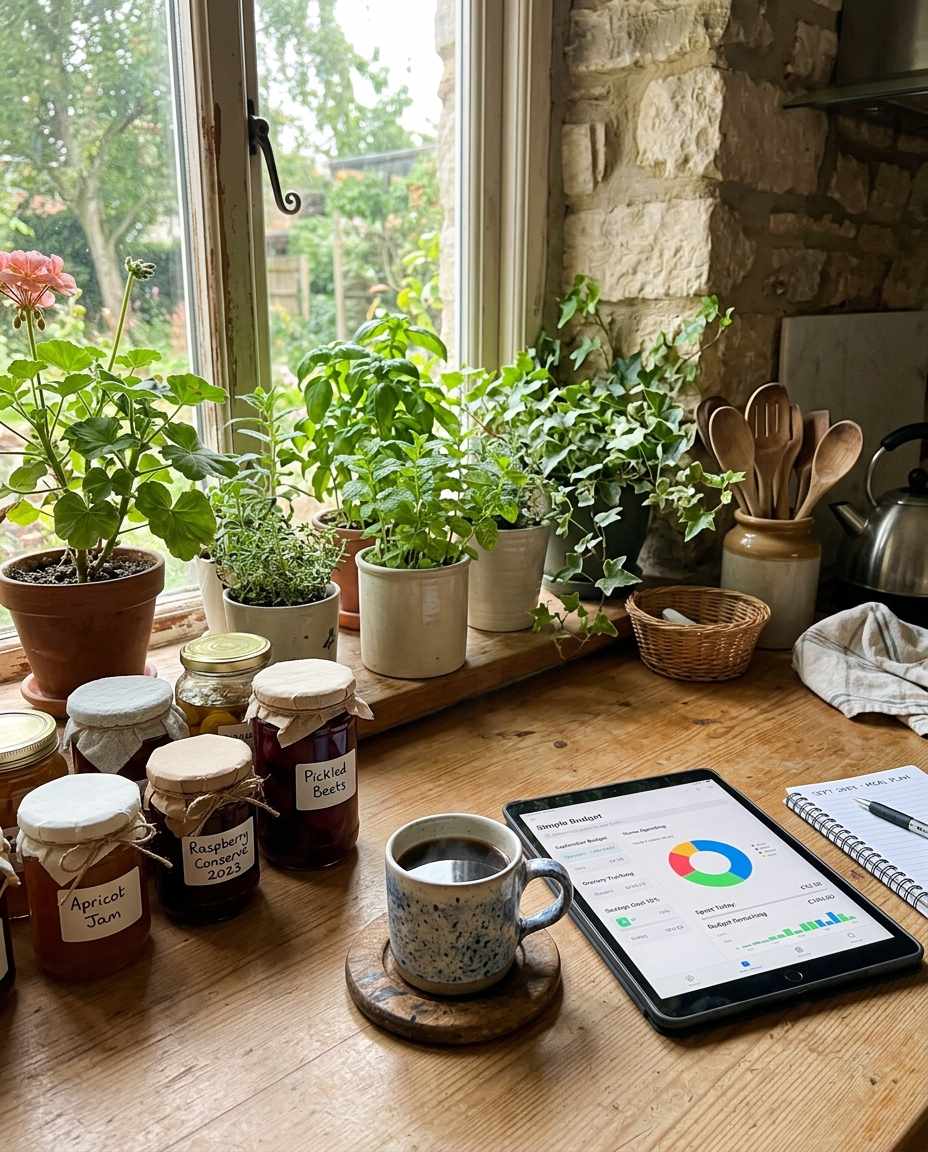
The moment I realized my bills were draining my bank account, I knew something had to change.
Saving money didn’t have to be boring or slow.
I discovered clever hacks that made cutting expenses easy and even fun.
Ready to save fast?
These 50 creative tips will get you there!
1. Use Price-Tracking Browser Extensions
I started installing price-tracking extensions like Honey and CamelCamelCamel after impulsively paying full price for a blender.
These tools monitor price fluctuations and automatically apply coupons or alert you when an item’s cost drops.
They work best for online purchases where prices constantly change, ensuring you never miss a deal.
A common mistake is ignoring these tools because they feel intrusive or complicated, but the key is simplicity.
Activate the extension and browse normally—most done-for-you savings are automatic.
Your takeaway: commit to using one tool for a month and note the savings accrued from smart timing.
2. Bulk Buy Consumables with Expiry in Mind
I once bought a giant 10-pound tub of ground coffee for a 3-week camping trip but wasted half before finishing it, which stung financially and literally.
Buying in bulk saves money by unit price but only if the item’s shelf life fits your consumption speed.
For quick use, instant oatmeal packets and canned beans are perfect.
Avoid blindly bulk buying items that expire quickly or lose potency, such as spices or nuts.
Instead, calculate how quickly you’ll realistically use it.
Actionable tip: create a sliding scale list—buy big for staples with at least 6 months shelf life, otherwise buy smaller but smarter.
3. Turn Wall Space into Vertical Storage
When I moved to a small apartment, wasting precious countertop space frustrated me.
Installing inexpensive floating shelves no deeper than 8 inches along unused walls maximized storage capacity drastically.
Vertical storage reduces the urge to buy excess kitchen gadgets because everything fits neatly within sight.
People often ignore wall potential because they think installation is costly or complex.
The truth is, using 3M no-drill shelves or lightweight modular racks is easy and damage-free.
Start measuring your narrow kitchen wall, and pick appropriately sized shelves to hold jars or spices.
4. DIY Natural Cleaning Products
I once wasted $50 buying various chemical cleaners, many of which sat unused.
Switching to homemade mixtures of vinegar, baking soda, and 3,000K warm-white LED-lit spray bottles simplified cleaning and cut costs by over 70%.
These ingredients are multipurpose and non-toxic, making them safe and eco-friendly.
The mistake beginners make is mixing combinations that cause fizz or corrosion, like combining bleach and vinegar.
The actionable advice is to store ingredients separately with clear labels on matte white spray bottles.
Use vinegar for glass surfaces and baking soda as a scrubbing paste for sinks or tubs.
5. Freeze Leftovers in Portioned Silicone Bags
One night, I overcooked pasta and decided to freeze the leftovers in silicone bags, portioned for two meals.
Using reusable, food-safe silicone bags saves money not just on food waste but on plastic wrap alternatives.
Freezing in manageable portions helps prevent the all-too-common mistake of thawing more food than you can finish.
People often freeze food in bulky containers which take up space and lead to clutter.
Your takeaway: invest in a set of 6 reusable silicone bags (around 1-liter capacity) and label each with green, dishwasher-safe grease pens to track contents and dates.
6. Schedule Micro-Savings Challenges Weekly
I challenged myself to skip buying any coffee out for an entire week and instead brewed my own at home with a French press.
This simple micro-savings challenge saved me about $20 in 7 days.
Making a weekly habit of cutting one luxury expense or non-essential purchase accelerates savings without feeling overwhelming.
A common pitfall is attempting drastic restrictions that lead to burnout.
Instead, choose one small habit or item each week to pause spending on.
Your precise action: mark your calendar Sunday evenings to plan your weekly saving challenge in advance.
7. Explore “Loss Leader” Grocery Deals First
I learned quickly that supermarkets promote ‘loss leaders’—items marked super low to draw shoppers in.
Identifying these, such as $0.99 rotisserie chickens or fresh herbs at $0.99 per bunch, allows you to build meals around them, saving significantly on proteins and produce.
Many shoppers miss the savings by ignoring weekly ads or shopping randomly.
The key is to get the latest flyer online and plan your week’s meals accordingly.
Action step: Download your local grocery app and check the ‘specials’ tab before shopping.
8. Opt For Cash Envelope Budgeting System
When I switched to the cash envelope method, dedicating specific amounts of physical cash to categories like groceries or transport, I became more intentional with spending.
This system’s discipline physically limits overspending, helping manage monthly expenses carefully.
Digital budgets can feel abstract, causing overspending despite tracking apps.
The tactile nature of cash makes the ‘goal’ tangible.
Try assigning fixed cash to 5 categories in labeled envelopes and spend only from them until next paycheck.
9. Repair Clothes Instead of Replacing
I once found a small tear on a favorite denim jacket and instead of tossing it, I sewed a patch from an old t-shirt.
Repairing clothes becomes money-saving gold when you learn basic stitches or use iron-on patches.
It extends the life of garments often discarded prematurely.
Many avoid repairs out of unfamiliarity with sewing or assume it’s time-consuming.
However, even a simple needle-and-thread kit ($5) and 15 minutes can save $50 or more.
Start by repairing your most worn or favorite item this weekend.
10. Set Energy-Saving Smart Power Strips
I noticed my monthly electric bill dropped a significant 10% after installing smart power strips with timers and occupancy sensors, which cut phantom energy use from idle electronics.
These cost roughly $25 but quickly pay for themselves by avoiding wasteful standby power consumption.
Most people overlook devices constantly drawing power even when off.
Using smart strips tailored for office setups or entertainment centers can prevent that silent drain.
Action tip: pick a smart strip with a 60-40 warm-to-cool lighting ratio display so you see status at a glance.
11. Make Your Own Infused Water
Instead of buying bottled flavored water, I began making my own using lemon slices, cucumber, and fresh mint in a large glass carafe.
This not only slashed my beverage expenses but improved hydration and reduced plastic waste.
A common mistake is reaching for sugary drinks out of convenience.
Infused water requires minimal prep—just slice and steep in cold water for a few hours.
Invest in a 1-liter borosilicate glass bottle with silicone sleeve for portability and long-lasting freshness.
12. Shop Clearance Racks for Seasonal Clothing
I started timing clothing purchases when stores clear out seasonal racks, grabbing quality apparel at 50-70% discounts.
Waiting until mid-winter for winter coats or late summer for swimwear yields significant savings, provided you plan ahead.
Impulsive shopping misses these windows, leading to full-price buys.
Your strategy should include setting reminders to shop specific categories on clearance.
Take a photo of colorful end-cap tags at your preferred stores to track when markdowns start.
13. Host Swap Parties with Friends

I organized a clothing and book swap party where four friends exchanged items they no longer use.
This replaced purchasing new basics like scarves, jeans, and novels, saving each participant money and reducing waste.
Often people overlook alternative acquisition methods and default to buying new.
Hosting or joining swap parties saves not just money but introduces community bonding.
Your actionable tip: create a themed swap event and list accepted items early on social media or group chats to maximize participation.
14. Use Reusable Beeswax Food Wraps
Before switching to beeswax wraps, I used plastic cling film daily and noticed both the cost and environmental impact.
Beeswax wraps, made of cotton infused with beeswax, jojoba oil, and tree resin, are breathable and washable, ideal for covering leftovers or packing snacks.
The mistake most people make is underestimating the wraps’ lifespan—they typically last about a year with proper hand washing and air drying.
Your takeaway: invest in wraps sized around 8×8 inches and 12×12 inches to cover most containers and produce.
15. Cancel and Consolidate Subscriptions
I audited all my streaming, app, and magazine subscriptions and found I was paying for 7 services but used just 3 monthly.
Cancelling or combining redundant services saved me $30 monthly.
Tools like Trim or Truebill help identify and manage active subscriptions effortlessly.
The tendency to ‘set and forget’ subscriptions causes unseen expenses.
Be methodical: review bank statements focusing on recurring charges monthly.
Action step: list all subscriptions, evaluate essential ones, and cancel or pause the rest—especially overlapping entertainment services.
16. Shop Farmer’s Markets Before Closing
I discovered that farmer’s markets offer significant discounts up to 30% off on fresh produce in the last hour before closing.
Vendors prefer quick sales over hauling unsold goods.
Shopping late on weekends means fresher items at cheaper prices.
Many avoid late shopping fearing limited options, but timing is everything.
To succeed, arrive just 30-45 minutes before shutdown, walk the stalls actively, and negotiate for bulk purchases.
Your precise action: bring cash and a reusable tote for bargaining power and convenience.
17. Freeze Fresh Herbs in Olive Oil Cubes
When fresh herbs wilted before use, I started chopping them finely, mixing with extra-virgin olive oil, and freezing the blend in silicone cube trays.
These 1-tablespoon cubes make perfect portions for sautés or soups, reducing both waste and buying fresh herbs repeatedly.
People commonly neglect herbs leading to spoilage and throwing money away.
The process preserves flavor while saving $3–5 per bunch weekly.
Takeaway: allocate weekend kitchen time to prepare and freeze herb-oil cubes stored airtight.
18. Purchase Off-Brand Basics Strategically
Switching to select off-brand pantry staples like white rice, canned tomatoes, and dry beans saved me nearly $15 per grocery trip with no loss in quality.
These behind-the-scenes substitutions add up, especially on bulk items with consistent formulations.
A frequent error is assuming lower price means lower quality, leading to brand loyalty.
Testing different off-brands gradually and comparing flavor is key.
Tip: buy off-brand versions initially in small quantities like 500g packs to judge before committing fully.
19. Use Cashback Apps for Every Purchase
I installed multiple cashback apps like Rakuten and Dosh, linking my credit cards to earn a few percent back on regular spending—groceries, gas, dining, even utility bills.
These percentages often seem small but accumulate into substantial rebates without extra effort.
Not linking cards or neglecting apps causes forgone savings.
The critical point: use one or two apps consistently and check their weekly offers.
Make it routine to scan for cashback opportunities before any transaction.
20. Embrace No-Buy Days Each Month
I implemented two no-buy days monthly, complete 24-hour periods without spending a cent.
This forced me to reflect on wants versus needs and helped break impulse shopping habits.
The psychological reset made budgeting easier.
A common struggle is the belief you must cut everything constantly, leading to frustration.
The solution: structured no-buy days maintain balance while anchoring discipline.
Mark your calendar for two days this and next month and commit fully to avoid exceptions.
21. Switch to Cold Water Laundry Loads
Switching to cold water for 90% of my laundry saved hundreds annually on heating while still cleaning clothes effectively.
Modern detergents designed for cold wash maintain fabric integrity and reduce energy consumption.
The mistake is thinking hot water is always required for cleanliness.
Unless dealing with heavy stains or illness, cold wash suffices.
Your takeaway: buy detergents labeled ‘cold water formulated’ and set your washing machine cycle to 20-30°C for most loads.
22. Invest in a High-Quality Thermos
After tossing so many takeaway coffee cups, I bought a 500ml stainless steel thermos with double-wall vacuum insulation.
It keeps drinks hot for 8-12 hours, allowing me to brew at home and bring beverages everywhere, cutting daily cafe costs by $3-$5.
Many avoid investing upfront due to cost, but this one-time purchase quickly pays off.
Look for BPA-free, dishwasher safe models with leak-proof lids.
Action step: carry your thermos daily and track how many cafe purchases you skip weekly.
23. Carpool or Use Ride-Sharing Wisely
I reduced my monthly transport expenses by 40% when I began coordinating daily commutes with coworkers and neighbors via carpooling apps.
Sharing rides spreads fuel and parking costs, making travel affordable and environmentally friendly.
People often fear inconvenience or scheduling conflicts.
The key is setting clear timing expectations and backup plans.
Start by messaging three colleagues to gauge interest and establish a weekly rotating driving schedule.
24. Use Timers on Outdoor Watering Systems
Installing a programmable timer on my garden sprinkler system cut water waste by 25%, directly lowering my water bill.
Setting irrigation for early morning reduces evaporation and prevents overwatering common in manual systems.
Inefficient manual watering causes hidden cost leaks.
Even basic battery-operated timers ($30) with 1-minute increment settings enable precise control.
Calibration is crucial—time your zone to run no longer than 10 minutes every other day during dry spells.
25. Buy and Cook Seasonal Vegetables Only

Eating seasonally transformed my grocery budget because produce prices fluctuate dramatically based on harvest times.
Choosing zucchini or leafy greens in summer instead of out-of-season imports saved me 20-30% per item.
Consumers often buy onions or tomatoes out-of-season without realizing cost premium.
Learn your local growing seasons by consulting farmers’ market calendars or USDA seasonal guides.
The tip: plan meal prep around currently abundant vegetables to maximize savings.
26. Automate Small Savings Transfers Monthly
I set up an automatic transfer of $25 every payday into a separate savings account dedicated to emergency funds.
The automation ensures consistency, and since it occurs immediately upon income receipt, it eliminates conscious spending tension.
Many assume they can only save big chunks but underestimate the power of incremental savings.
Start automated transfers at the smallest comfortable amount to avoid disruption.
Track monthly deposits to witness cumulative growth encouraging long-term habits.
27. Swap Home-Cooked Meals with Neighbors
I started coordinating weekly meal swaps with neighbors, trading dishes like curry for pasta.
This diversity reduces cooking time and ingredient costs while expanding my recipe repertoire and social connections.
The mistake is trying to do it solo or without a schedule, leading to inconsistency.
Establish a rotating day and communicate food preferences or allergies well ahead.
Your practical step: create a shared digital calendar for all participants to track who brings what.
28. Use LED Bulbs with Warm-White Color
Replacing incandescent bulbs with 3,000K warm-white LEDs in living areas reduced my electricity consumption drastically without sacrificing ambiance.
The warm tint softens harsher light and improves coziness, also leading to hours more bulb lifespan.
Many hesitate thinking LEDs give cold, clinical light.
Selecting bulbs with a 60-40 warm-to-cool lighting ratio creates comfort while conserving energy.
Target room-focused replacement and read lumens (800-1,100) to match old wattage effectively.
29. Set Alerts for Utility Bill Limits
I subscribed to alerts on my water and electricity accounts notifying me when usage approached preset limits.
This proactive approach prevented bills from spiking unnoticed, facilitating real-time adjustments like fixing leaks or turning off extra devices.
Ignoring consumption until the bill arrives causes surprise and stress.
Setting conservative but realistic thresholds (e.g., 15% below last year’s monthly average) empowers control.
Your next step: log into utility portals and configure text or email alerts today.
30. Repair Electronics with DIY Tutorials
I revived a cracked smartphone screen and replaced laptop fans by watching repair tutorials on iFixit, saving hundreds on professional services.
Basic toolkits and patient study make many common fixes accessible and inexpensive.
Fear of damage leads many to replace instead of repair.
Start small with replacing batteries or keypads using kits priced between $20-$40.
Document each step and label tiny screws to avoid errors.
Your precise action: watch at least one repair tutorial specific to your device this weekend.
31. Brew Your Own Herbal Teas
Instead of buying expensive organic herbal tea bags, I started growing my own mint, chamomile, and lemongrass in a sunny window box.
I dry and store them in glass jars, steeping fresh homemade blends affordably.
People avoid growing herbs fearing lack of space or time.
Even a simple 12”x12” planter and 4 hours/month maintenance suffice.
Action tip: start with fast-growing herbs like mint and supplement with purchased foraged blends.
32. Opt for Digital Library Rentals
I saved a lot by borrowing eBooks and audiobooks through my local library’s digital app rather than purchasing titles outright.
Using OverDrive or Libby apps gave me instant access to thousands of free titles tailored to my reading habits.
Many still assume physical presence is necessary or that selection is limited.
Libraries have grown their digital catalogs exponentially, so check yours online.
Be mindful of return deadlines and place holds early for popular books to maximize benefits.
33. Use Secondhand Sporting Equipment
I bought durable used bikes and camping gear from trusted local sellers at 40% discounts without compromising quality.
Equipment like helmets or tents share longevity especially when inspected carefully.
The mistake is fearing wear or hidden defects on used gear.
Prioritize thorough inspection for structural integrity and sanitize before use.
Your precise guideline: buy from cycling or outdoor wholesalers’ secondhand sales or online forums with buyer protection.
34. Repurpose Glass Jars for Storage
Instead of buying plastic containers, I collect cleaned glass jars from condiments and sauces to store pantry staples or leftovers.
Their airtight seals and transparent sides make organization easy and visually appealing.
Wasteful buying happens when people think only specialty containers will work.
Glass jars under 12 inches height and 4-6 inches diameter suit most needs.
Action idea: label jars with chalkboard stickers and rotate older contents to prevent spoilage.
35. Air-Dry Laundry Whenever Possible
Cutting back on dryer use by hanging clothes on retractable lines reduced electricity bills significantly and extended garment life.
Drying clothes indoors near windows or outdoors on sunny days accelerates evaporation naturally.
A common objection is weather variability, but a good dehumidifier or fans reduce indoor drying times.
Invest in collapsible drying racks that fit into compact spaces for rainy seasons.
Your takeaway: prioritize air-drying for 70% of laundry loads to save consistently.
36. Batch Purchase and Cook Freezable Meals
I batch-cooked chili and stew in large pots, portioned into freezer-safe containers sized around 500ml, which thrived as fast meals on busy days, cutting down on takeout.
Freezing food in dated BPA-free containers ensures freshness.
A common trap is cooking meals not suited for freezing or over-portioning, leading to waste.
Research recipes with freezer compatibility and plan portions realistically.
Action step: schedule one meal prep day monthly dedicated solely to batch cooking.
37. Repair Furniture with Minute Detail
Instead of replacing scratched wooden tables, I applied a 60-40 warm-to-cool blend of scratch repair markers and beeswax polish.
This DIY touch-up saved me around $100 on repairs or new pieces.
People assume deep scratches require professional attention.
Many surface blemishes can be repaired with stain pens matching color codes (e.g., RAL 7016 dark grey) plus wax-infused sticks.
Test on inconspicuous spots before full application.
38. Negotiate Bills During Contract Renewal
I boosted my savings when phone and internet bills came due by calling providers to negotiate better rates or promotional offers.
Providers often retain customers by lowering prices or upgrading service tiers at no extra cost.
Many fear confrontation or think negotiation is futile.
Research competitive offers and come armed with data on average local rates.
Your next step: mark your contract expiration date and prepare a negotiation script 30 days prior.
39. Use a Shared Cloud Drive for Bills
I organized all household bills and receipts in a shared cloud drive with my partner, reducing duplicate payments and tracking errors instantly.
The system enables quick access and reminds us of upcoming dues collectively.
Individuals often keep paper copies or scattered emails causing confusion.
Utilize platforms like Google Drive with structured folders named by payment type and date (e.g., ‘Electricity_Apr2024’).
Your precise advice: set reminders linked to stored files to prevent late fees.
40. Grow Simple Microgreens Indoors

I filled a sunny windowsill with trays of microgreens like arugula and sunflower seeds, harvested weekly for salads and garnishes.
This reduces grocery produce bills and provides fresher flavor profiles with high nutrient density.
Many shy from starting due to unfamiliarity or space constraints.
Microgreens thrive in trays roughly 12”x6” and need only 4-6 hours of indirect sunlight daily.
Try sprouting kits with biodegradable pots for beginner-friendly setups.
41. Utilize Workplace Perks Fully
I realized my employer offers discounts at local gyms and tech stores but never used them until recently.
Accessing these perks saved me $100 on a new laptop and $30 monthly on gym membership.
People miss available savings by assuming perks are minimal or too complicated.
The actionable plan: check your HR portal or contact benefits coordinator quarterly and enroll in at least one available program.
42. Use Public Libraries for Entertainment
Rather than renting movies or subscribing to pay-per-view channels, I began borrowing DVDs and attending free library-hosted events.
Public libraries often provide streaming options, movie nights, workshops, and community programs at no cost.
Many overlook libraries as digital entertainment hubs, thinking they only offer books.
Explore your library’s website to discover digital collections and sign up for event notifications.
This habit contributes to meaningful leisure spending cuts.
43. Embrace Minimalist Wardrobe Rotation
Streamlining my wardrobe to 30 versatile items reduced impulsive shopping and simplified daily decisions, saving me money I’d otherwise spend on trendy but rarely worn clothes.
Capsule wardrobes emphasize quality over quantity.
People fear repurchasing basics or losing fashion variety.
Start by listing your favorite daily outfits and identify duplicates or rarely worn pieces to donate.
Next, use a simple color palette (e.g., navy, gray, white) to mix and match efficiently.
44. Repair Shoes with Household Tools
Instead of buying new shoes, I patched worn soles and replaced insoles using household glue and liners purchased online.
Fixing shoes extends life, especially classic styles worth maintaining.
The common mistake is neglecting small damages until irreparable.
Keep a repair kit with contact cement, replacement laces, and gel insoles around.
Take 30 minutes monthly to inspect and fix minor issues before investing in new footwear.
45. Prioritize Water-Saving Shower Heads
Installing a low-flow shower head rated at 1.5 gallons per minute halved my water and heating bills.
These devices maintain good pressure and significantly reduce resource consumption over standard 2.5 gpm models.
Many hesitate worrying about lower water pressure, but newer designs optimize flow patterns.
Choose models with a 60-40 warm-to-cool chrome finish for durability and aesthetic fit.
Make it your next bathroom upgrade.
46. Make Bulk Coffee at Home Weekly
I bought a burr grinder and 500g of whole beans, grinding fresh weekly to brew my own cold brew in a 1-liter glass jar.
This saves the equivalent of 20+ coffees and tastes fresher.
Instant coffee or pre-ground beans lose freshness quickly.
Investing in beans locally roasted within 7 days and grinding just before brewing maximizes flavor.
The tip: make cold brew concentrate in batches and dilute as needed.
47. Cancel Gym Membership, Exercise Outdoors
After canceling my costly gym membership, I explored parks and bought a $30 jump rope and resistance bands to create effective workout routines at home and in nature.
Physical fitness is achievable without expensive facilities.
The barrier is lack of motivation or structure.
Use free workout apps or join community fitness groups to stay accountable.
Start by replacing one gym visit per week to outdoor exercise and increase gradually.
48. Use Pressure Cooker for Energy Efficiency
Switching to an electric pressure cooker reduced my cooking time and energy use dramatically, especially for legumes and grains.
Foods cook in under half the time of stovetop methods, which lowers gas or electricity consumption.
Many worry about complexity or food quality impact.
Modern cookers with digital controls and delay timers simplify use, preserving texture and nutrients.
Identify 3 favorite recipes to convert as your starting point.
49. Unplug Electronics Fully When Not Used
I formed the habit of unplugging devices like chargers, game consoles, and kitchen appliances when idle, eliminating phantom power drain.
Over a year, this tiny act saved me $40–50 on utilities.
People often overlook or find this inconvenient.
Install easily accessible multi-outlet surge protectors in high-use areas and switch off nightly.
Setting daily reminders until it becomes routine accelerates habit building.
50. Create a Gratitude Jar to Curb Spending
Instead of rewarding myself with purchases, I started writing money saved or positive spending moments on slips of paper, collected in a gratitude jar.
Reviewing them monthly motivated me to continue mindful spending.
Emotional spending often fills a psychological void.
Redirect those urges via gratitude journaling or jars reduces impulse buys.
Your next step: find a clear glass jar, write your first 5 gratitude notes, and place it somewhere visible.



Leave a Reply