
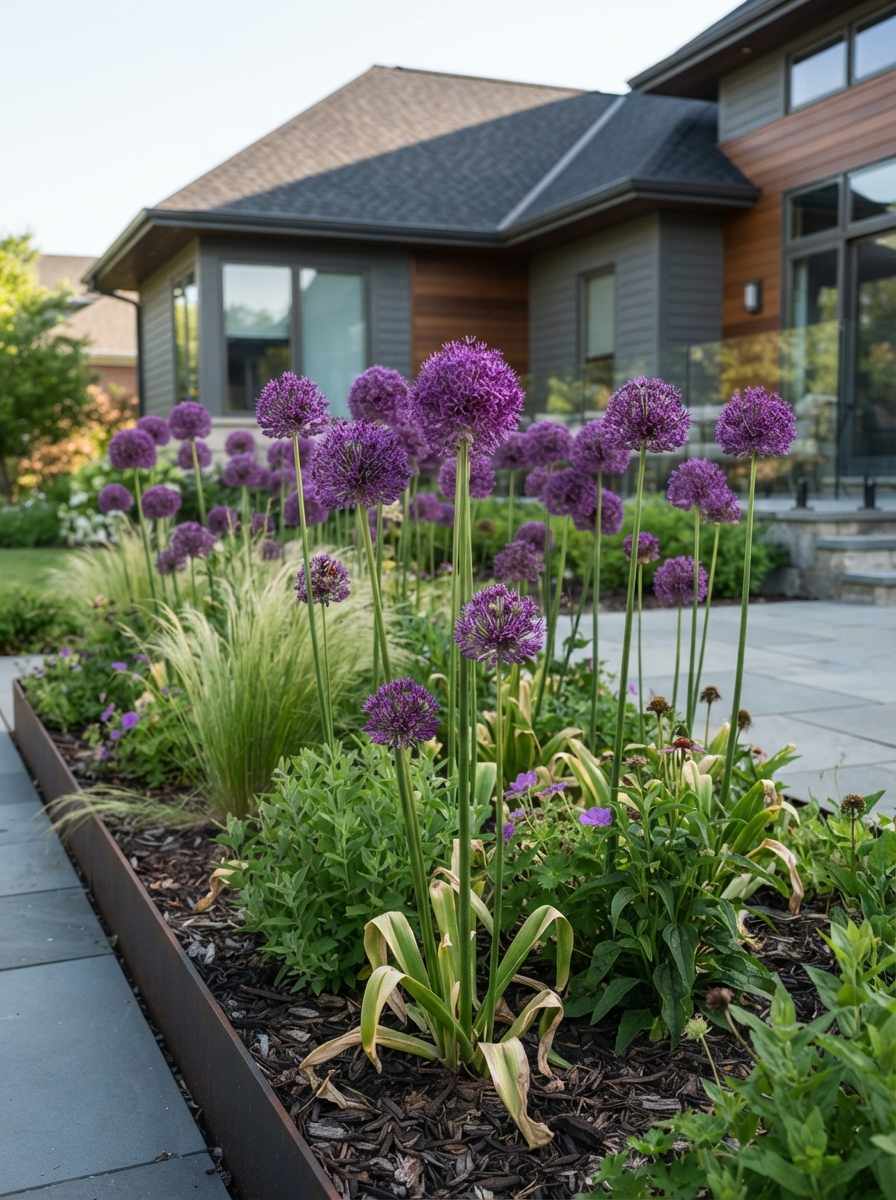
Transform your home and garden with plants that naturally ward off pesky bugs.
This curated list of 30 stunning, easy-care plants offers visual inspiration and expert insights on keeping insects at bay without harsh chemicals.
Ready to enjoy bug-free spaces with style and ease?
Dive in!
Harnessing Nature’s Pest Control Power
You should consider integrating pest-repellent plants into your indoor and outdoor spaces to create a healthier environment without relying on synthetic sprays.
These pest-repellent plants not only serve as natural bug deterrents but also bring vibrant texture, color, and aroma to your living spaces.
I find that when you choose plants strategically based on their insect-repelling properties and visual appeal, you get a dual benefit: a beautiful home and garden space that’s less inviting to mosquitoes, flies, and other unwanted bugs.
Plus, many of these plants are low maintenance and offer unique decorative potential.
1. Fragrant Lavender for Charm and Pest Control

This photo highlights a lush, perfectly shaped lavender bush with its iconic vibrant purple flowers and narrow silvery-green leaves.
Planted in rocky soil, it thrives in full sun, emitting a soothing fragrance that mosquitoes and moths dislike.
You can plant lavender along garden borders, near patios, or in pots to bring calming color and aroma while deterring bugs.
Lavender is drought tolerant and low maintenance, making it ideal for beginners.
It also attracts pollinators like bees without encouraging pests, helping maintain garden health naturally.
2. Lemon Verbena’s Citrusy Bug-Repellent Aroma

This healthy, bright green lemon verbena in a terracotta pot showcases long, slender leaves known for their lemon scent, which is highly effective at repelling mosquitoes and flies.
Placing this plant on sunlit patios or near entryways adds a fresh visual and natural insect shield.
You can harvest lemon verbena leaves for teas or homemade sprays, doubling its use.
It prefers well-drained soil and regular watering during hot months, so adjust care to avoid root rot.
3. Sage’s Soft Silvery Leaves and Pest Defenses

This sage plant with its broad gray-green velvety leaves thrives in a neat garden bed surrounded by complementary herbs.
Beyond culinary uses, sage emits volatile oils that repel mosquitoes and certain flies, making it a smart garden addition.
Sage does best in full sun with good drainage, and pruning encourages bushier growth and prolongs its effectiveness.
Incorporate sage near seating or dining areas to enjoy flavor and function.
4. Fresh Peppermint’s Invigorating Bug Barrier

Shown here as a dense, leafy mint bush in a weathered terracotta pot on a wooden deck, peppermint releases a strong menthol aroma that deters ants, mosquitoes, and flies.
Its vibrant green jagged leaves add texture and lushness.
To prevent invasive spreading, potting peppermint is ideal.
Water consistently but avoid soggy soil, and regularly harvest leaves to stimulate fresh growth and maintain scent strength.
5. Basil’s Aromatic Foliage for Patio Protection

This thriving basil spilling luxuriously from a black ornate window box brings a fresh green hue and glossy leaves packed with insect-repelling oils.
Basil’s scent deters mosquitoes and flies, making it perfect near outdoor dining spots or kitchen windows.
For best growth, plant basil in well-draining soil with ample sun.
Regular pinching of flowers extends the lush leaf production and keeps the herb compact and visually appealing.
6. Marigolds: Vibrant Color Meets Pest Control

A vibrant curtain of orange and yellow marigolds flourishes along a neat backyard fence, creating a lively display that repels aphids, mosquitoes, and nematodes.
Their strong scent and protective root excretions make them popular companion plants in vegetable gardens.
Plant marigolds in sunny spots, water regularly but avoid waterlogging, and deadhead wilted flowers to prolong blooms and repellency.
7. Rosemary’s Resilient Fragrance and Visual Texture

This robust rosemary shrub with needle-like aromatic green leaves thrives on rocky terrain with bright blue flowers, visually layering the scene.
Rosemary’s scent wards off mosquitoes and flies, perfect for Mediterranean or desert-inspired gardens.
Rosemary prefers well-drained soil and full sun, tolerating drought once established.
Prune regularly to encourage dense growth and harvest for cooking or making natural sprays.
8. Citronella Grass: Strong Smell for Outdoor Peace

Tall, dense citronella grass shoots rise from a modern concrete planter on a sleek patio.
Its sharp, slender leaves emit a powerful lemony fragrance famous for mosquito repelling.
Citronella instantly elevates any outdoor space aesthetically while providing effective insect control.
It thrives in full sun to partial shade and prefers moist soils, making it great for poolside or deck planters.
Frequent trimming helps prevent it from becoming unruly.
9. Lemongrass in Stylish Planters

This bold clump of lemongrass flourishes in a matte gray planter set on a sunny balcony with a city backdrop.
Its tall, arching leaves release citrus oils that repel mosquitoes and flies, perfect for compact urban gardening.
For best results, plant lemongrass in rich, well-drained soil and provide afternoon shade if possible.
Cut stalks for culinary use or citronella oil extraction, making it wonderfully multipurpose.
10. Garden Sage Rocks in Rustic Beds

A silver-green sage plant stands out against earthy rocks and warm tones of a desert garden backdrop, harmonizing rough textures and natural colors.
This rugged aesthetic matches sage’s hardy nature and pest-repellent properties.
Plant sage in dry, well-drained soil with full sun exposure.
Its oils discourage mosquitoes and moths, making it excellent for xeriscaping and sustainable gardening.
11. Rue: Low-Maintenance Blue-Green Beauty

Sitting calmly on a stone bench, this compact rue plant with blue-green, finely divided leaves offers an understated charm perfect for shaded garden nooks.
Rue is traditionally used to repel fleas, ants, and moths.
Plant it in well-draining soil in partial shade to tolerate heat without stress.
Wide spacing helps airflow and prevents fungal issues while maintaining aesthetic appeal.
12. Thyme: Dense Green Ground Cover

This textured lawn of creeping thyme flows between stone steps in a woodland setting, adding a natural soft carpet of vibrant green.
Thyme’s scent repels mosquitoes and whiteflies, while its bloom attracts pollinators.
Plant thyme in well-draining soil with full to partial sun.
It tolerates foot traffic, making it great for garden paths and ground cover where insect repellency is desired.
13. Sweet Woodruff on Rustic Staircase

Here, sweet woodruff grows lushly in a large stone container by wooded stone stairs, blending naturalistic charm with bug-repelling abilities.
Its fresh-scented leaves help drive away mosquitoes and flies.
It thrives in shade to partial shade and moist, well-drained soil.
Use it in woodlands or shady borders to control pests and add soft greenery.
14. Nasturtiums Adding Color and Protection

Bright orange nasturtium flowers cascade down a wooden trellis amid a lush garden scene.
Their peppery leaves and flowers repel aphids, whiteflies, and squash bugs, creating an attractive, edible natural bug barrier.
Grow nasturtiums in poor to average soil with full sun.
They’re fast-growing, great for interplanting with vegetables or as a cheerful edging plant.
15. Mix of Daisies Brightening Pathways

A carpet of white and yellow daisy-like flowers softly curves beside a rustic wooden border alongside a moist garden path.
Though daisy’s pest-repelling properties are mild, they attract beneficial insects that control bugs.
Plant daisies in full sun with well-drained soil.
They offer cheerful blooms and complement other insect-repellent species while supporting beneficial bug populations.
16. Eucalyptus for Indoor Freshness

A tall, airy arrangement of silvery-blue eucalyptus stems in a ceramic vase sits on a sun-dappled wood table, imparting a fresh, minty scent indoors.
The oils naturally repel mosquitoes, flies, and moths, making it ideal for windowsills and entryways.
You can cut fresh eucalyptus for seasonal bouquets or dry for longer-lasting indoor fragrance.
Keep stems in water and trim ends regularly to prolong freshness.
17. Compact Thyme in Decorative Pot

This dense, small-leaved thyme bush spreads symmetrically in a chic concrete pot on a rustic wood balcony.
Its fragrant leaves repel mosquitoes and flies while adding a Mediterranean flair.
Thyme thrives in sunny, well-drained spots.
Regular pruning encourages new growth and maximizes its insect-repelling oils, perfect for container gardens near outdoor seating.
18. Geraniums with Soft Fragrant Blooms

Delicate pink geranium flowers unfold amidst ruffled green leaves in an elegant oval pot by a sunlit kitchen window.
Their mildly fragrant leaves help deter mosquitoes and other flying pests indoors.
Geraniums prefer bright indirect light and need watering when soil dries.
They complement herbs and decorative plants in windowsill and porch gardens.
19. Carnivorous Venus Flytrap in Glass Terrarium

Vividly textured Venus flytrap leaves featuring red interiors reside inside a modern glass terrarium on a wooden coffee table with a stunning city view behind.
These unique plants actively trap flying insects, offering natural bug control with intriguing visuals.
They require high humidity, distilled water, and bright indirect light to thrive indoors.
A perfect choice for an insect-repellant statement piece with educational value.
20. Colorful Hanging Petunias on Porch

A full, overflowing basket of multi-colored petunias in bright pinks, purples, and whites hangs vibrantly from a porch ceiling, adding cheerful color and floral fragrance.
Petunias contain natural insect-repellent compounds that help deter leafhoppers, aphids, and mosquitoes.
Keep them well-watered in rich soil and deadhead frequently to extend blooming.
Their trailing habit softens architectural lines and brightens transitional spaces while warding off pests.
21. Topiary Bay Tree in Rustic Barrel

This perfectly pruned bay tree forms an elegant green sphere atop its slender trunk, planted in a weathered wooden barrel on a stone patio next to a modern home.
Bay leaves have natural insect-repelling oils effective against moths and flies.
Prune regularly to maintain the topiary shape and harvest leaves for seasoning.
It prefers ample sunlight and well-drained soil, ideal for ornamental entrances or patios.
22. Mint in a Cozy Kitchen Nook

A lively potted mint plant with deep green jagged leaves stands proudly on a clean marble kitchen countertop under bright window light.
Known for its strong scent that repels flies and mosquitoes, mint is a kitchen essential.
Keep mint contained in pots to prevent invasive spread and water regularly.
Its aromatic qualities enhance both culinary dishes and indoor air freshness.
23. Lemon Balm by the Garden Steps

Bright green lemon balm with heart-shaped leaves grows vibrantly by stone garden steps bathed in dappled sunlight.
This herb releases a lemony aroma that mosquitoes avoid and is an easy addition to garden beds or containers.
It requires partial shade and well-drained soil.
You can harvest leaves for tea while keeping the plant trimmed to extend leaf production and pest control.
24. Healthy Dill in Veggie Patch

Frilly green dill stalks flourish in a raised vegetable bed alongside companion plants.
Dill’s grassy texture and scent repel aphids and spider mites while attracting beneficial insects that eat pests.
Grow dill in full sun and well-drained soil.
Its flowers provide habitat for predatory wasps and ladybugs, enhancing integrated pest management naturally.
25. Purple Chive Flowers in City Garden

Clusters of soft purple chive blossoms and slender green stalks brighten an urban garden bed bordered by gravel and mulch.
Their distinctive onion scent helps deter aphids and Japanese beetles.
Chives prefer full sun and moderate watering.
They’re perfect for adding vertical interest to kitchen gardens while boosting pest resistance.
26. Fragrant Rosemary Indoors

A mature rosemary shrub grows vigorously in rocky desert soil, displaying needle-like dark green leaves and subtle blue blooms.
Its robust aroma is a natural mosquito repellent and adds Mediterranean charm.
Rosemary prefers full sun and dry conditions.
Whether indoors or outdoors, regular pruning enhances bushiness and essential oil concentration.
27. Garlic Rows in Raised Bed

Neatly spaced rows of green garlic leaves sprout from rich, moist soil inside a wooden raised bed on a sunny day.
Garlic’s natural sulfur compounds repel many insects, including aphids and spider mites.
Plant garlic cloves in fall or spring in well-drained soil.
As a companion plant, garlic improves overall garden health and pest resistance.
28. Outdoor Terraced Herb Beds

A well-organized raised brick herb garden overflows with lush green foliage of herbs like oregano, mint, and marjoram.
These herbs act as natural insect repellents while providing fresh ingredients for cooking.
Plant in full sun with regular watering.
Using companion planting techniques here helps create pest-resistant microclimates in home gardens.
29. Eucalyptus in Sunny Dining Room

Bright natural light filters through large kitchen windows onto a ceramic jug filled with fresh eucalyptus branches.
The blue-green rounded leaves diffuse a crisp scent that mosquitoes and flies dislike indoors.
Cut fresh stems regularly and keep in water, occasionally misting leaves.
Eucalyptus makes a simple, stylish air freshener while acting as natural insect control.
30. Lemon Grass in Modern Planter

Dense lemongrass clusters grow robustly in a sleek gray planter on a balcony overlooking a cityscape.
Its swaying blade-like leaves emit citronella scent, perfect for repelling mosquitoes in outdoor living spaces.
Lemongrass prefers ample sunlight and regularly moist but well-drained soil.
It acts as an inexpensive natural mosquito deterrent for container gardeners.


Leave a Reply