
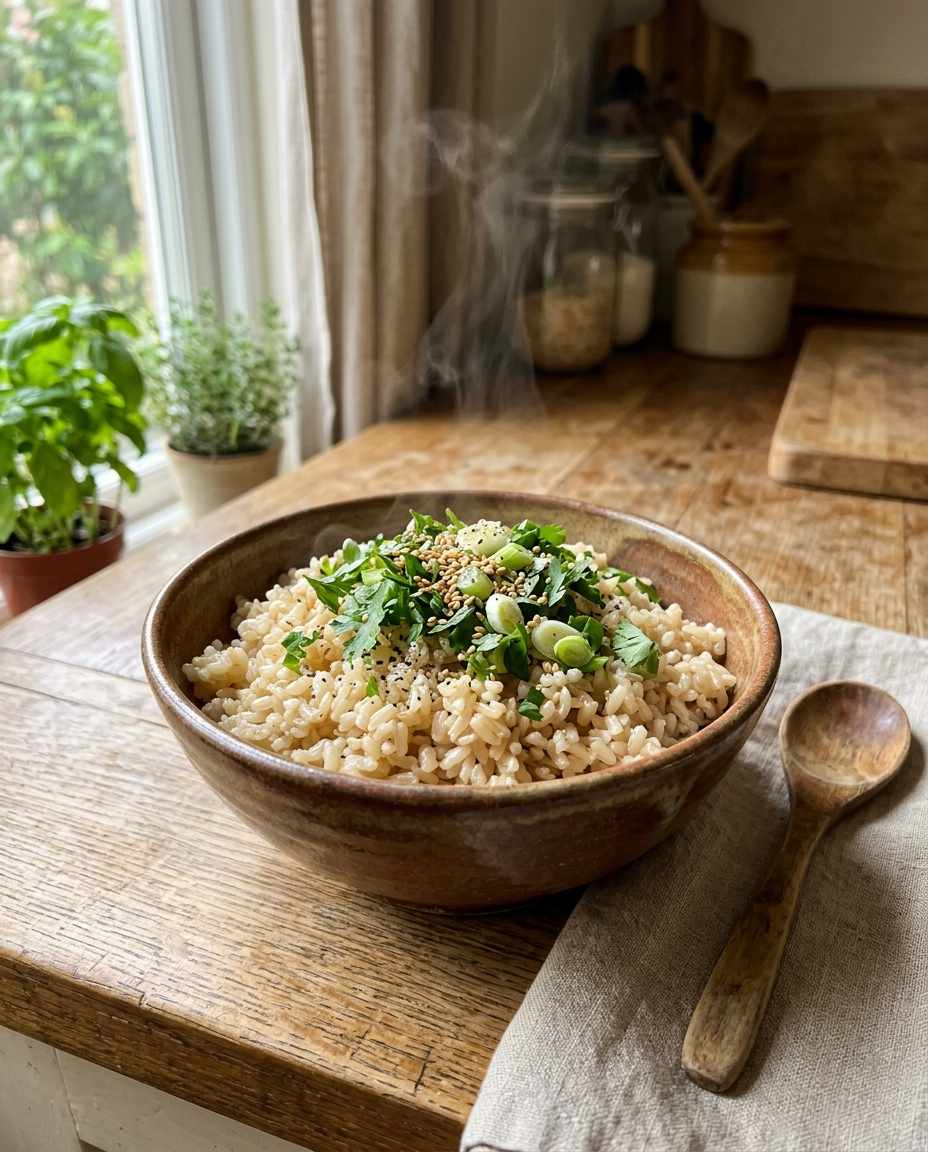
Standing at the stove, I watched the translucent grains of brown jasmine rice swirl in bubbling water, their nutty aroma filling the kitchen.
I knew this time the grains would be tender, fluffy, separate—not sticky or mushy.
This guide breaks down the precise, foolproof steps so you can master perfect brown jasmine rice every single time.
Understanding Brown Jasmine Rice Quality
Brown jasmine rice retains the bran and germ layers, giving it a distinctly nutty flavor and chewy texture that white jasmine rice lacks.
Its aromatic qualities come from the phenolic compounds concentrated in the bran, which also contribute to its deeper, earthier scent.
Understanding these nutritional and chemical attributes helps in tailoring cooking methods to preserve those unique characteristics.
For instance, inferior-quality grains might have more broken pieces, disrupting cooking uniformity and texture.
Selecting premium grains often means sourcing from trusted producers with careful post-harvest processing to minimize broken kernels and retain oil-rich bran integrity.
I learned early the difference between freshly milled versus older brown rice—older rice can taste stale and take longer to cook due to increased oxidation of oils.
Choose rice with uniform medium-brown color and no obvious discolorations or dust.
A common novice mistake is assuming brown jasmine rice cooks like white rice.
Its bran layer slows water absorption, requiring longer soaking or cooking time.
Moreover, some brands may have varying moisture content, impacting cooking times unpredictably unless you inspect and test batches first.
Knowing the exact batch quality lets you adjust accordingly.
To optimize your results, buy small quantities from reputable brands and perform a trial cook.
Document cooking times and water ratios, noting textures.
This practice enables you to dial in perfect parameters specific to each rice lot, elevating every meal’s base flavor and texture without guesswork or frustration.
Why Soaking Matters for Brown Jasmine Rice

Soaking brown jasmine rice is key to unlocking optimal tenderness and even cooking because its fibrous bran layer resists water penetration.
Soaking initiates water absorption before heat, softening the bran and reducing cooking times by approximately 20-30 percent.
I always soak mine for at least 45 minutes; shorter times risk uneven texture with gritty centers.
In a practical home kitchen scenario, skipping or cutting soaking short results in grains often partially crunchy even after prolonged simmering, leaving a subpar mouthfeel.
While some suggest soaking overnight, for most home situations 45 minutes to 1 hour is ample unless grains feel particularly dry or old.
The goal is pliable bran, not mushy grains.
A typical mistake is soaking in hot water or soaking too long, which can overhydrate grains and cause sogginess or fermentation risks.
The safest, most effective method is a generous volume of room temperature filtered water — at least 4 cups per cup of rice — ensuring all grains are submerged.
This simple precision makes a notable difference.
Actionably, set a timer and rinse rice thoroughly beforehand to remove debris and excess surface starch, which can otherwise cause clumping.
Soak in a glass or ceramic bowl, avoiding reactive metals.
This small effort guarantees smoother steaming, a fuller flavor profile, and perfectly textured grains every meal without guesswork.
Water-to-Rice Ratios: The Balancing Act
The water-to-rice ratio governs the moisture content and final texture of your brown jasmine rice, but many recipes give vague or conflicting guidance.
I discovered the sweet spot for stovetop cooking is approximately 2.25 cups of water per 1 cup of soaked rice, slightly more than white rice’s typical 1.5 to 1.75 ratio.
This accounts for bran’s water absorption and evaporation during longer cooking.
Too little water leads to undercooked, dry grains with a tough bite, whereas too much causes clumping and a gummy texture.
In one instance, I followed a popular recipe’s 2:1 ratio without soaking and ended up with a sticky mush, confirming hydration and soak status dictate the correct ratio.
Never ignore soaking when applying ratios.
Hard water can also affect absorption rates and texture; minerals may strengthen bran structure, requiring an extra 0.1 to 0.15 cups of water.
Filtering tap water or using bottled spring water can circumvent these subtle variations.
Using a precise digital scale to measure rice and water by weight (1 cup rice ~185 grams, water ~540 grams) improves consistency versus volume cups.
Your takeaway: after rinsing and soaking, drain well then add about 10-15% more water than your usual brown rice ratio.
Monitor once and adjust for your stove and pan’s heat distribution; keep a small amount of reserved hot water to add post-simmer if needed.
This attentive calibration is the difference between perfect rice and a frustrating batch.
Mastering the Stovetop Simmer Technique
Controlling heat is the linchpin of perfect brown jasmine rice cooking on the stovetop.
After an initial brisk boil to jumpstart the process, the flame must be dialed down to a gentle simmer with a tight-fitting lid.
I learned that even the best water ratio fails without carefully adjusting flame to maintain steady steam without excessive bubbling.
The correct technique creates an even cooking environment where heat penetrates all grains uniformly, with the lid trapping steam and preventing evaporation.
A too-high flame leads to rapid water loss, scorched bottoms, and unevenly cooked rice.
Conversely, too low heat stalls cooking, yielding tough, chewy kernels.
Many home cooks struggle because their pan lids do not seal well, causing steam to escape.
Choosing a pot with a fitted, heavy lid—such as stainless steel or heat-tempered glass with a snug silicone rim—dramatically improves control.
Some even weight the lid slightly by adding a clean kitchen towel around it to prevent steam leaks.
The precise routine I follow is: bring water and rice to a full boil uncovered, then immediately reduce to the lowest simmer, cover tightly, and cook undisturbed for exactly 40-45 minutes.
Resisting the urge to peek prevents steam loss and inconsistent texture.
Then, turn off heat and let rest 10 minutes before fluffing with a fork for perfectly tender, separate grains.
Using Rice Cookers and Instant Pots
Rice cookers and Instant Pots have revolutionized brown jasmine rice cooking by automating temperature and timing controls but mastering their quirks is essential.
My experience with electric rice cookers showed that many basic models overcook brown rice, turning it mushy or unevenly textured due to default white rice settings.
Choosing a model with a dedicated “brown rice” function calibrated for extended cook time (usually 50–60 minutes) is step one.
Instant Pots, using pressure cooking, significantly reduce cooking time to about 20-22 minutes under high pressure, but timing and water ratios differ from stovetop.
I tested numerous ratios and found a 1:1.25 rice-to-water ratio yields fluffy rice without stickiness or burning.
The Instant Pot requires a natural pressure release for 10 minutes to let residual steam complete the cooking gradually.
Beginner mistakes include not rinsing rice or neglecting to soak before placing it in the cooker or pot.
Soaking remains advisable to ensure consistent cooking and texture, even with electric appliances.
Also, stirring rice before cooking can create clumps on the bottom, which can burn, so avoid stirring after adding water.
Action regards appliance manuals and trial runs.
If your rice cooker lacks a “brown rice” program, use the “porridge” or “slow cook” setting to approximate gentle, longer cooking.
Regardless of device, hold rice at warm mode for no more than 30 minutes post-cooking to prevent drying out or clumping.
A quick fluffing after any rest period preserves texture and prevents crust formation.
Flavor-Enhancing Tricks and Variations
Brown jasmine rice’s natural nuttiness begs complementary seasoning to elevate every dish.
Adding aromatics to the cooking water, such as a smashed garlic clove, a strip of kaffir lime leaf, or a cinnamon stick, infuses gentle layers of flavor without overpowering the rice’s intrinsic aroma.
I prefer adding one or two pandan leaves tied into a knot, popular in Southeast Asian cooking, which lend a subtle floral note enhancing the grain’s fragrance.
Using a pinch of salt (around 1/4 teaspoon per cup of rice) intensifies flavor and balances sweetness inherent in jasmine rice.
Avoid heavy seasoning before cooking, as excess salt or oils can interfere with proper water absorption, except in recipes where rice will be incorporated directly into richly flavored dishes.
When preparing plain rice as a canvas, less is more.
A lesser-known trick is swapping out a small percentage of the cooking water with coconut milk, roughly 25%, to yield a creamier texture and gentle sweetness.
This technique pairs beautifully with curries or grilled meats.
However, use full-fat canned coconut milk and reduce added water slightly to prevent sogginess; trial and adjustment are key here.
For texture contrast, consider briefly toasting the rinsed rice in a dry heavy-bottomed pan over medium heat until aromatic and lightly golden before soaking.
This activates Maillard reactions, deepening flavor complexity.
However, balance to avoid drying grains excessively, which can impede absorbing soaking water.
This nuanced method turns simple brown jasmine rice into a showstopper side.
Common Pitfalls and Troubleshooting
Even well-planned cooking sessions can run into issues; anticipating problems saves time and frustration.
One frequent complaint is gummy rice caused by rinsing too little or skipping rinsing altogether, which leaves surface starch residuals that glue grains together.
A thorough 2–3 rinses until water runs clear removes excess starch and prevents this.
Another pitfall is uneven cooking from using cookware with thin bottoms that create hotspots.
I recommend using heavy-bottomed stainless steel or anodized aluminum pots with about 2.5 to 3mm base thickness.
This assures heat distributes steadily, avoiding scorched rice at the bottom while top grains remain undercooked.
Undercooking often results from insufficient simmer time or lifting the lid prematurely.
Resist lifting the lid for at least 35–40 minutes on stovetop cooking; each peek releases moisture and lowers internal steam needed to soften bran.
Using a kitchen timer prevents guessing and erratic check-ins.
Lastly, brown jasmine rice that dries out and hardens upon cooling is often from insufficient resting time after cooking.
I always let mine rest covered off-heat for 10-15 minutes.
This relaxing phase redistributes moisture evenly inside grains and firms up texture without drying out.
Fluff with a fork just before serving to separate grains and elevate presentation.
Serving and Storing Perfect Brown Jasmine Rice
Once cooked perfectly, brown jasmine rice becomes a versatile base for meals but proper serving and storage matter for maintaining texture and flavor.
Serving immediately after fluffing preserves the tender chew and separated grains that make this variety special.
I often transfer rice to a warm ceramic bowl resting on a wooden trivet to retain heat without creating condensation, which deteriorates quality.
Leftovers should be cooled quickly—within two hours at room temperature—to prevent bacterial growth, then refrigerated in airtight containers.
The bran layer contains oils prone to rancidity if exposed to air or heat excessively.
Using airtight containers with minimal headspace and storing in the coldest part of the fridge extends freshness up to 4–5 days.
When reheating rice, avoid microwave steaming bags or plastic covers which trap moisture unevenly, causing sogginess or hotspots.
Instead, reheat in a heavy skillet with a few teaspoons of water over low heat, stirring frequently to revitalize separated grains.
I discovered that adding a sprinkle of toasted sesame seeds or chopped herbs instantly refreshes flavor and presentation.
For long-term storage, brown jasmine rice freezes well but should be portioned before freezing.
When thawed, reheat with gentle steam to prevent drying or clumping.
Always cool completely before freezing to avoid condensation and ice crystals.
Investing time to store rice properly safeguards your labor in mastering the perfect cook.




Leave a Reply