
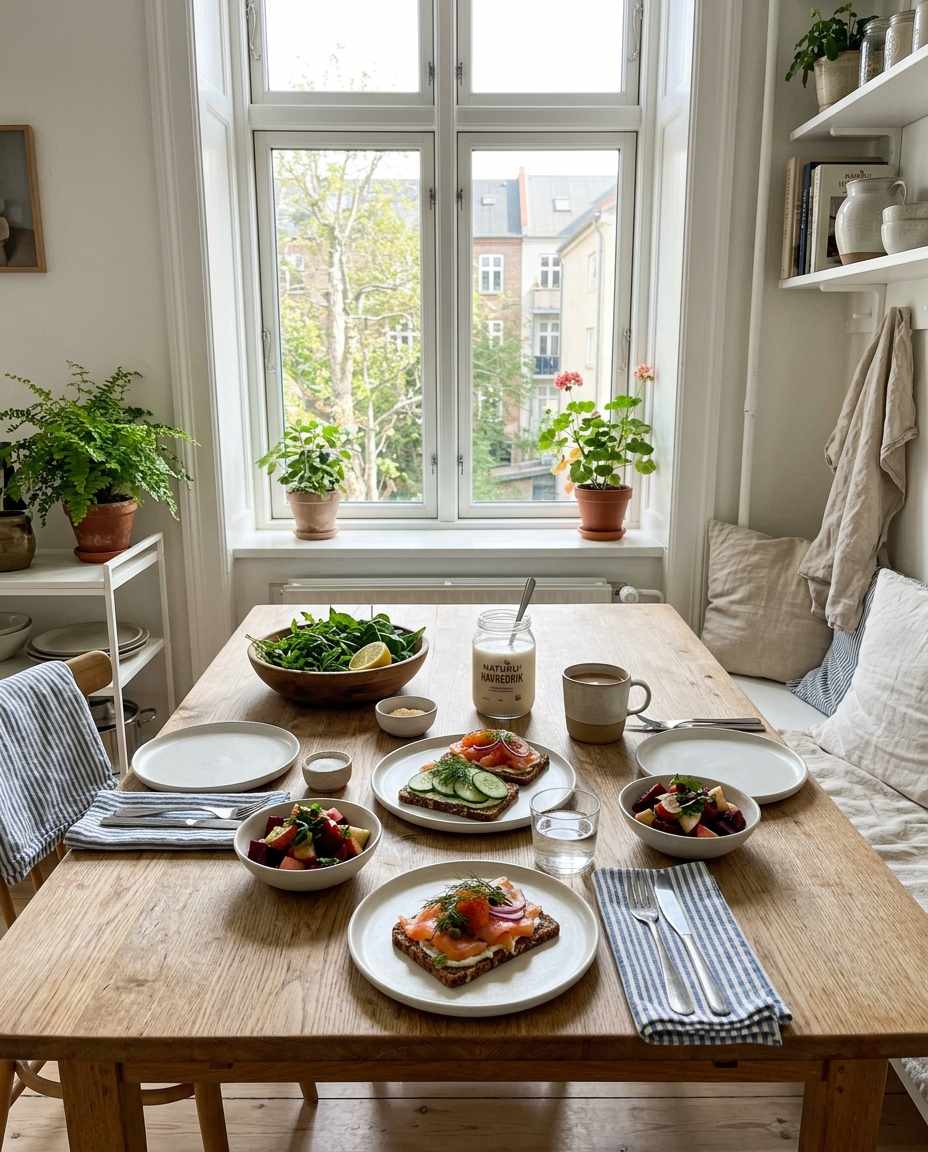
I still remember sitting by a sunlit window in a cozy Copenhagen café, savoring the vibrant flavors of a rye crispbread topped with pickled herring and fresh dill.
That moment captured the essence of the Nordic diet for me: simple, fresh ingredients that lift your energy and nourish deeply.
These 15 lunch recipes embody that same wholesome spirit to boost your wellness every day.
1. Rye Crispbread with Smoked Fish
Rye crispbread is a cornerstone of the Nordic diet, offering a dense, fiber-rich base famously paired with smoked fish such as mackerel or salmon.
The smoky, salty layers deliver omega-3 fatty acids that support heart health and brain function.
When I made my first homemade crispbread sandwich, I underestimated the importance of quality fish; using store-bought cold cuts often lacks freshness and nutrients.
To get the most out of this dish, source cold-smoked fish from sustainable suppliers and pair it with freshly chopped dill and thinly sliced cucumber.
This combination balances the dense rye with bright, crisp flavors and textures.
Avoid soggy toppings by toasting the crispbread lightly before assembly, preserving its crunch and enhancing the eating experience.
2. Nordic Beet and Apple Salad
The earthy sweetness of roasted beets combined with tart apples creates a refreshing Nordic salad rich in antioxidants and fiber.
I first tried this dish during a weekend retreat in Stockholm where the local chef emphasized balancing sweet, sour, and crunchy elements for digestive support.
A common mistake is under-seasoning, which dulls the vibrant flavors that make this salad stand out.
To recreate it perfectly, roast medium-sized beets until tender, then dice and toss with grated green apples, pumpkin seeds, and a mustard-vinaigrette made with rapeseed oil.
The key is using fresh apples with crispness intact and never peeling the beets too aggressively, keeping their nutrient-rich skins intact for enhanced health benefits.
3. Warm Barley and Root Vegetable Bowl
Barley is a Nordic whole grain praised for its low glycemic index and heart-healthy beta-glucans.
Paired with roasted root vegetables like carrots and parsnips, it forms a hearty lunch that sustains energy levels throughout busy afternoons.
I once rushed the preparation and overcooked the barley, turning it mushy and flavorless.
For the best texture, soak barley overnight and simmer it until chewy but not mushy, about 35 minutes.
Roast root vegetables at 400°F with a drizzle of rapeseed oil and fresh thyme to develop caramelized notes.
Layer the bowl with barley as a base, roasted roots on top, and finish with a dollop of homemade horseradish cream to add sharpness and complexity.
4. Open-Faced Salad Smørrebrød
Smørrebrød is a Danish staple of open-faced sandwiches topped with creative daily ingredients like pickled vegetables, fresh herbs, and cured meats.
My first attempt was at a friend’s Nordic-themed brunch where the combination of rye bread, smoked trout, and pickled cucumber surprised me with its orchestration of flavors.
People often overload the toppings, losing balance and the elegant look.
Keep each piece simple: start with a thin slice of dense rye, spread with a light smear of butter or soft cheese, then top with one main protein like smoked salmon or roast beef.
Add contrasting pickled or fresh elements and sprinkle with fennel fronds or dill.
This approach maximizes the harmony between bread textures and bright garnishes for a satisfying lunch.
5. Roasted Root Veggie and Herring Salad

This recipe reflects the perfect marriage of earthy flavors from roasted root vegetables and the sharp, tangy punch of pickled herring.
I remember tasting a version of this in a small Oslo restaurant where the freshness of the herring was clearly key.
Many home cooks shy away from herring fearing its strong flavor; however, when balanced with creamy potatoes and mild roots, it creates a luxurious flavor profile.
Roast diced carrots, beets, and potatoes until tender and caramelized, then cool slightly before mixing with herring fillets cut into bite-size chunks.
Add finely chopped red onion and a dill-mustard dressing made from Dijon mustard, white vinegar, and rapeseed oil.
This salad works best served chilled or at room temperature, allowing flavors to meld gently.
6. Creamy Oat and Mushroom Soup
Oats are more than just breakfast grains in Nordic cuisine; they also form a creamy base for brothy soups that satisfy without heaviness.
I experimented making oat-based soups with wild mushrooms during a Scandinavian camping trip and learned that gradually toasting the oats before simmering enhances their nutty flavor.
A common error is adding oats last, which makes the texture gritty instead of smooth.
Start by gently toasting half a cup of oats in a dry skillet until golden, then cook them slowly in vegetable broth with sautéed chanterelles or porcini mushrooms.
Purée the soup halfway for creaminess, and finish with finely chopped chives and a swirl of oat cream.
This method builds layers of umami and fills you with sustained warmth on chilly days.
7. Nordic Buckwheat Pancakes with Curd
Buckwheat is an ancient grain rich in magnesium and antioxidants, often made into thin savory pancakes in Nordic countries called ‘blinis.’ My first attempt to pair them with quark-style curd cheese was a revelation in contrasting textures: the pancakes’ light crispiness and the curd’s creamy freshness.
Many cooks mistake buckwheat pancakes as inherently heavy; however, balanced batter ratios achieve an airy texture.
Use a 60-40 mix of buckwheat and all-purpose flour with soda water to aerate, and cook on a medium-hot griddle until edges crisp.
Top each pancake with a spoonful of lime-kissed curd cheese and finely sliced radishes or fresh herbs like dill and chives.
Serve these as a light yet nourishing midday treat rich in plant protein and probiotics.
8. Nordic Lentil and Dill Salad
Lentils provide plant-based protein and soluble fiber essential for blood sugar regulation, a cornerstone of Nordic wellness meals.
Combining them with fresh dill and finely chopped fennel creates a surprisingly fresh and satisfying salad.
I learned the hard way that rinsing lentils thoroughly and cooking them until just tender prevents mushiness, a common pitfall.
Cook green or brown lentils until al dente, then cool and toss with thin slices of fennel bulb, chopped dill, and a mustard-apple cider vinegar dressing.
Add toasted walnuts for crunch and a final drizzle of cold-pressed rapeseed oil to round out the texture and flavor profile.
This salad pairs beautifully with a slice of whole-grain rye bread for a perfect midday boost.
9. Pickled Vegetable and Rye Wraps
Simple rye flatbreads rolled with a mix of pickled vegetables provide a quick, nutrient-dense lunch packed with fiber and probiotics.
I discovered this quick recipe during a trip to Finland, where grocery stores offer artisanal rye wraps.
Many try substituting plain wheat tortillas, but these lack the characteristic earthiness and fiber that make the wrap wholesome.
Fill rye flatbreads with an assortment of thinly sliced pickled carrots, beets, and cabbage, adding fresh greens like watercress or arugula.
Spread a layer of skyr or cream cheese underneath for moisture and protein.
Wrapping tightly ensures ease of eating on the go and keeps the textures thoughtfully layered for every bite.
10. Salmon and Sunchoke Salad Bowl

The Nordic diet’s emphasis on oily fish like salmon and root vegetables extends to lesser-known tubers such as sunchokes, which offer a crunchy, nutty contrast rich in inulin fiber for gut health.
When I first combined roasted sunchokes with cold-smoked salmon and a handful of sea buckthorn berries at home, the interplay of textures and flavors amazed me.
A usual mistake is overcooking sunchokes, losing their crunch.
Slice and roast sunchokes lightly with olive oil and sea salt until golden but still firm.
Assemble them in a bowl with flaked smoked salmon, salad greens, and a citrus vinaigrette made from lemon juice and cold-pressed rapeseed oil.
Garnish with a sprinkle of toasted sunflower seeds and fresh dill to enhance the bowl’s satisfying complexity and nutritional profile.
11. Nordic Pea and Mint Soup
Bright green split peas blended with fresh mint creates a uniquely refreshing Nordic soup balancing protein and cooling herbs.
I recall the first time I made this soup in early spring, using garden-fresh mint to cut its earthiness.
Rushing by boiling peas too fast leads to grainy texture and muddled herbal notes—a frequent error.
Take your time and soak one cup of split peas for 2 hours.
Simmer on low until soft, then purée with a handful of chopped mint leaves added last to preserve their vibrancy.
A swirl of cultured cream or skyr softens the palate, making this soup both restorative and deeply nourishing on warmer days.
12. Herring and Potato Salad with Mustard
This classic Nordic lunch combines boiled new potatoes with buttery pickled herring and a bright mustard-dill dressing.
During my visits to rural Sweden, I noticed locals insist on using waxy, small potatoes harvested freshly for optimal texture.
Using larger starchy potatoes can turn the salad into a mushy mess, disappointing both taste and mouthfeel.
Boil small new potatoes with their skins on until tender but firm.
Let cool before mixing with diced herring and a homemade dressing of yellow mustard, white wine vinegar, a touch of honey, and dill.
Chill the salad for an hour to allow flavors to blend fully.
This dish provides a perfect balance of healthy fats, carbs, and probiotics for a well-rounded lunch.
13. Vegetable and Rye Grain Pilaf
Nordic cuisine often incorporates ancient rye grains in pilafs that mix cooked grains with seasonal vegetables and herbs.
I tried this dish after sourcing hand-crushed rye berries from a small Swedish mill.
Many DIY cooks substitute with brown rice, which lacks rye’s distinctive nutty flavor and soluble fiber benefits.
Cook rye grains for about 45 minutes until chewy but tender, then toss with sautéed kale, leeks, and roasted root vegetables.
A splash of homemade vegetable broth and a handful of toasted pumpkin seeds elevate the dish’s flavor depth.
Serve alongside a dollop of skyr or quark for creaminess and additional protein.
14. Wild Mushroom and Barley Risotto

Using barley instead of arborio rice yields a nutty, hearty risotto enriched by earthy wild mushrooms like chanterelles or morels, staples of Nordic forests.
My first version lacked patience in stirring, resulting in unevenly cooked grains.
The key is gentle simmering and gradual broth addition akin to traditional risotto techniques.
Toast one cup of pearl barley in butter, then slowly add hot vegetable broth over 30 minutes while stirring frequently until creamy and tender.
Fold in sautéed wild mushrooms and finish with a spritz of lemon juice and fresh parsley.
This dish satisfies those craving comforting textures with heart-healthy fiber and antioxidants.
15. Skagen-Style Shrimp Rye Salad
The iconic Nordic shrimp salad known as Skagen combines small cold-water shrimp with a creamy, lemony sauce served on rye bread.
During a summer cruise in the Oslo fjords, I appreciated how fresh shrimp and dill transform a simple rye slice into a luxurious meal.
The mistake home cooks often make is over-mixing the sauce, which dilutes textures.
Use high-quality peeled shrimp, mix them gently with mayonnaise, crème fraîche, lemon zest, and freshly chopped dill.
Spread over thinly sliced rye bread and top with a few capers for briny brightness.
This recipe delivers protein, probiotics, and healthy fats in an effortlessly elegant lunch perfect for any wellness routine.




Leave a Reply