

Spring signals the renewal of life in your garden, but it also means grubs and other pests are ready to wreak havoc beneath the soil.
This guide unpacks everything you need to know about grub prevention, from understanding these pests to practical prevention strategies, ensuring your lawn thrives all season.
Understanding What Grubs Are

Grubs are the larval form of beetles, often white and C-shaped, living just below the soil surface.
They are voracious feeders, consuming grassroots and causing serious damage to lawns.
Knowing what grubs look like and their life cycle is essential because early recognition can prevent costly lawn damage.
More than just unwanted pests, grubs serve as a link in the ecosystem, feeding birds and other wildlife.
However, their feeding habits cause lawns to thin, turn brown, and die.
Recognizing grubs early,before they reach maturity,is critical for effective intervention.
The key takeaway is to regularly inspect your lawn’s soil, especially in spring, to identify grub presence early.
By understanding the biology of these pests, you can time your prevention efforts more effectively and protect your garden’s health.
Common Grub Species in Lawns

Different grub species pose varying levels of threat depending on your geographic location and lawn conditions.
The Japanese beetle, masked chafer, and European chafer are some of the common culprits.
Each species has its unique life cycle timing and severity of damage, making identification important for targeted control.
For example, Japanese beetle grubs are recognizable by their dark heads and feeding habits primarily in early summer, while the European chafer prefers cooler soil temperatures.
Knowing the specific grub type helps determine the most effective treatment window and products.
Accurate species identification prevents wasted effort and unnecessary chemical use.
Consult local extension services or experts to understand which grub types are prevalent in your area before choosing a prevention method.
The Life Cycle and Seasonal Behavior of Grubs
Grubs undergo a seasonal progression: eggs are laid in late summer, larvae hatch and feed on grassroots through fall and early spring, pupate, and then emerge as beetles in early summer.
Grasping this timeline is crucial since prevention measures must be timed to target the vulnerable larval feeding stages.
Interventions in the spring can disrupt the growth of newly hatched grubs or reduce the surviving population from the previous season.
Treatments too early or too late often fail, as they may miss the grub’s active feeding window or target adult beetles instead.
This understanding empowers you to schedule preventative treatments effectively, protecting roots from severe damage.
Monitoring soil temperature and moisture conditions can further refine timing for maximized results.
Signs Your Lawn Has a Grub Problem

Early signs of grub infestation include patchy brown spots, spongy turf that lifts easily, and increased bird or animal activity digging in the lawn.
These symptoms reflect the grub feeding damage below the surface, compromising root integrity and lawn vitality.
Birds, raccoons, and other wildlife are often seen pecking or digging in your yard searching for grubs, which can exacerbate the lawn damage.
Identifying these visible and behavioral clues helps you catch problems before they intensify.
The crucial advice is to perform a simple grub test by lifting sections of turf to see larvae beneath.
Catching these signs early means prevention or treatment efforts will be more effective and less costly in restoring your lawn.
Preventive Measures in Spring

Spring is the prime time to focus on grub prevention before major damage occurs.
Applying preventive insecticides, such as those containing imidacloprid or chlorantraniliprole, can disrupt grub development when timed correctly.
The goal is to target larvae while they are small and actively feeding near the surface.
Creating an optimal lawn environment with proper mowing, watering, and aeration helps grass withstand grub feeding stress.
Keeping soil healthy and well-drained further reduces grub survival rates.
Preventive lawn care is about a holistic approach rather than spot treatments alone.
Using a spreader or seed applicator to distribute lawn treatments evenly, as shown in a photo of a woman pushing a green broadcast spreader on a vibrant green lawn, ensures consistent coverage and maximum effectiveness during early spring.
The Role of Wildlife in Managing Grubs
Certain birds and animals naturally help control grub populations by feeding on larvae underground.
Robins, for example, probe the soil and extract grubs from beneath the turf, providing a form of organic pest control.
Encouraging these natural predators fosters an environmentally friendly lawn ecosystem.
While birds feeding can sometimes cause minor turf damage on the surface, their overall benefit in grub control far outweighs the temporary disruption.
A balanced approach combines habitat support with other preventive practices to keep grub numbers manageable.
A photo capturing three robin birds on a grassy yard, actively searching the soil for grubs, visually demonstrates how wildlife contributes to pest management.
Encouraging bird activity through feeders or water sources can complement your lawn care strategy.
Common Mistakes in Grub Prevention
One frequent error is mistiming treatment applications, either too early when grubs are inactive or too late when damage is already severe.
Another mistake is applying preventive chemicals unevenly or in excessive amounts, which can harm beneficial soil life and the environment.
Ignoring lawn health by failing to maintain proper mowing height, irrigation schedules, and soil aeration leaves grass weak and more susceptible to grub damage.
Additionally, some homeowners overlook natural predators or organic alternatives, relying solely on chemical control.
Avoiding these missteps requires careful observation, proper product selection, and integrated lawn care practices.
Understanding how chemical and cultural methods work together prevents grub outbreaks while promoting overall lawn vitality.
Integrated Pest Management Strategies
Integrated Pest Management (IPM) blends biological, mechanical, cultural, and chemical controls to minimize grub damage with reduced environmental impact.
For instance, encouraging beneficial insects and birds, maintaining soil health, and using targeted insecticides at appropriate times form a comprehensive defense.
Mechanical methods such as lawn aeration improve root growth and disrupt grub habitat.
Cultural practices like diversified plantings and proper irrigation reduce grub colonization.
Selecting treatments based on scouting data ensures precise intervention only where necessary.
The takeaway is that combining various strategies offers sustainable, long-term grub control.
IPM approaches align with ecological balance, reducing the risk of resistance and preserving beneficial organisms while keeping your lawn resilient and healthy.
Repairing Lawn Damage After Grubs

Significant grub feeding can leave lawns patchy, brown, and vulnerable to erosion, requiring repair to restore beauty and function.
The first step is to remove dead grass and loosen the soil, often disturbed by animals seeking grubs.
Supplementing with new seed or sod ensures rapid recovery.
Applying a layer of topsoil or compost improves nutrient levels and soil structure, enhancing root regeneration.
Proper watering during repair is critical to establish new growth without encouraging further grub activity.
Patience is key; gradual lawn recuperation depends on consistent care.
A photo showing a damaged yard littered with soil disturbances and dead patches emphasizes the scale of grub damage and the urgent need for restorative action.
Recognizing damage severity early can speed repair and reduce long-term lawn decline.
The Visual Impact of a Grub-Free Lawn

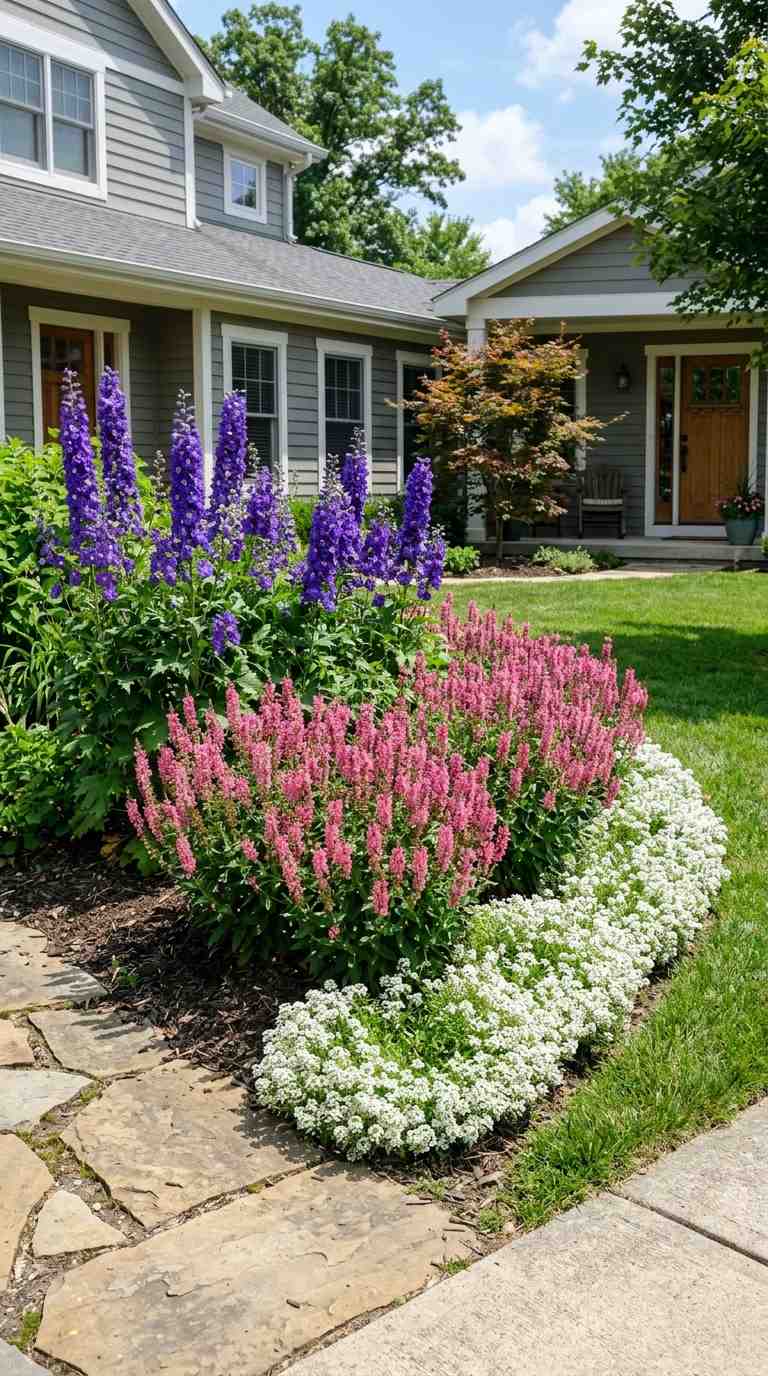
A well-maintained grub-free lawn is lush, with vibrant green grass and healthy flower beds framing manicured edges.
Spring blooms add color and life, enhancing curb appeal and personal enjoyment.
This visual harmony reflects underlying soil and turf health, free from grub stress.
The consistent green stripes on a freshly mowed lawn signify robust root systems and balanced moisture, both supported by preventive grub management.
The well-trimmed flower beds with tulips, daffodils, and hyacinths enhance the aesthetic impact, promoting a serene garden atmosphere.
A photo capturing a colorful spring garden with a pristine, striped green lawn and blooming flowers vividly illustrates the rewards of consistent grub prevention.
Visual beauty underscores the practical benefits of invested lawn care efforts.
Essential Lawn Maintenance for Grub Deterrence

Maintaining your lawn’s health throughout the growing season is critical for preventing grub infestations and minimizing damage.
Key practices include regular mowing to the correct height, deep but infrequent watering, and seasonal aeration to relieve soil compaction.
Fertilizing with balanced nutrients supports grass vigor and root strength, making turf less attractive to egg-laying beetles and tougher for grubs to damage.
Keeping thatch thin reduces grub habitat, while timely overseeding fills in weak spots and maintains lawn density.
A photo of a curved lawn edged by flower beds and featuring early morning dew highlights how proper maintenance encourages a healthy turf environment unattractive to grubs.
Consistency and attention to detail form the backbone of prevention.
Eco-Friendly Alternatives to Chemical Control
While chemical control can be effective, many homeowners seek eco-friendly options to manage grubs sustainably.
Beneficial nematodes, microscopic worms that parasitize grubs, offer a natural biological solution when applied to moist soil.
Using organic soil amendments like compost and maintaining biodiversity by planting native species further suppresses grub populations indirectly.
Encouraging natural predators, such as birds and frogs, complements this eco-friendly approach.
Exploring alternatives reduces chemical reliance, preserving soil biota and water quality.
Combining multiple natural methods with careful monitoring provides a balanced, environmentally-responsible way to keep grubs in check without harsh chemicals.



Leave a Reply