
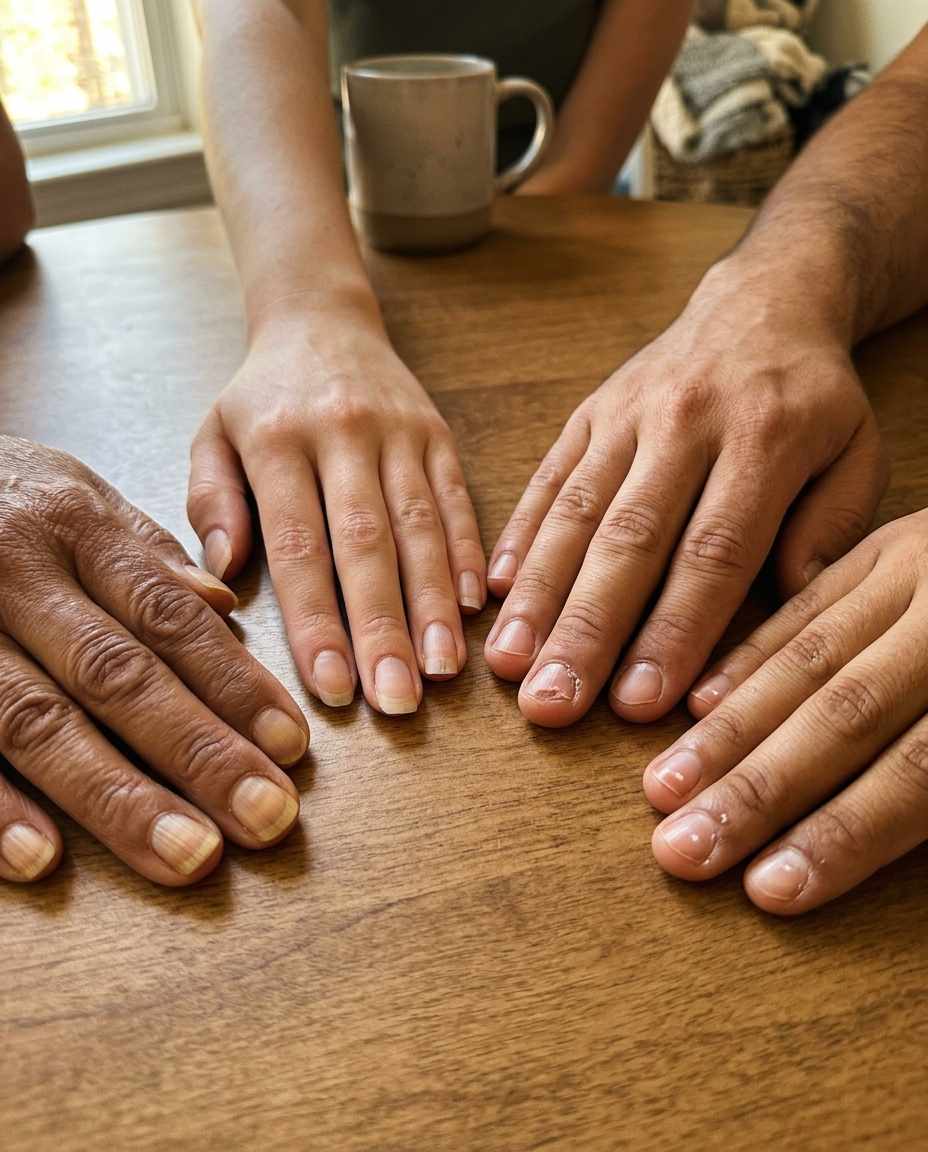
A few years ago, I noticed my nails splitting and turning oddly pale after months of stress and a restrictive diet. It made me realize our nails tell stories about our health, often before we see other symptoms. This guide walks you through common nail changes that might hint at vitamin and mineral gaps—and how you can respond wisely.
Brittle or Splitting Nails: Biotin, Iron, and Vitamin A
I find brittle nails one of the most common complaints, especially among my readers who juggle busy schedules and fluctuating diets. When nails chip, split lengthwise, or flake, considering nutrients like biotin, iron, and vitamin A is a great place to start. Biotin is crucial since it acts as a cofactor for keratin, the main nail protein. Low biotin intake or absorption can quietly undermine nail strength over time.
Iron is also a key player. Beyond carrying oxygen in your blood, iron impacts how your nails grow and renew. In my experience, women with heavy periods or digestive issues often see nail quality dip until iron stores recover. Vitamin A may not be top of mind, but it’s vital for skin and nail cell maintenance. Deficiency can make nails dry and fragile.
Don’t overlook environmental factors: frequent hand washing, harsh detergents, and repeated use of nail polish remover often worsen brittleness. I always recommend protective gloves for chores and minimizing acetone use. If you improve your diet and nail care but brittleness persists after three months, testing iron levels, thyroid function, and possibly biotin under medical supervision may be your next step.
Spoon Nails (Koilonychia) and Iron Deficiency

When I first learned about spoon nails, I was amazed at how such a small nail shape could point toward iron deficiency anemia. Koilonychia causes nails to curve upward like tiny spoons, which often correlates with low iron disrupting the nail matrix’s normal formation. If you spot these in yourself or others, especially with fatigue or paleness, checking iron status is essential.
I’ve advised many clients to ramp up heme iron sources like lean red meat and organ meats because they absorb better than plant-based forms. Pairing plant iron sources such as lentils or spinach with vitamin C-rich foods boosts absorption too, a simple strategy anyone can apply. Remember, nail normalization takes time—expect new nails to look healthier after 3 to 6 months of consistent iron replenishment.
Still, spoon nails aren’t exclusively caused by iron deficiency. Mechanical trauma or rare hereditary conditions can mimic this sign, so a thorough history is crucial. If iron labs come back normal, broadening the evaluation to thyroid or dermatology is sensible.
White Spots or Patches: Zinc and Protein Deficiency
White spots or broader pale patches on nails—known as leukonychia—are often dismissed as minor trauma, but I’ve seen cases where persistent or generalized leukonychia signaled nutrient shortfalls like zinc or protein. Zinc is integral to cellular division and repair, and low levels can lead to brittle nails and even white patches.
In my experience working with clients in both urban and resource-limited settings, zinc-related nail changes rarely appear in isolation. They often accompany other signs such as slow wound healing or digestive issues. Protein intake is equally important since nails are built from keratin, a specialized protein. Inadequate protein or malabsorption states sometimes manifest as diffuse whitening and fragile nails, often alongside muscle weakness or edema.
Differentiating harmless traumatic spots from systemic issues involves observing whether the white marks move with nail growth and considering related symptoms. When nutritional imbalance is a concern, I always suggest incorporating zinc-rich foods like oysters, beef, and pumpkin seeds, alongside quality protein sources such as eggs and legumes. If supplementation is on the table, it’s critical to balance zinc doses with professional advice to avoid copper deficiency.
Vertical Ridges and B-Complex or Mineral Imbalances

Vertical ridges on nails are often overlooked as normal aging signs, but sometimes they hint at subtle B-vitamin or mineral imbalances. I keep an eye out for pronounced ridging when clients report additional problems like numbness or fatigue, which can signal deficiencies in B12, folate, or riboflavin. These vitamins are crucial for cellular metabolism and nail matrix health.
Minerals such as zinc, iron, and magnesium also influence nail structure and keratinocyte function. In conditions like inflammatory bowel disease or celiac disease, poor absorption can lead to ridging and texture changes. When you notice ridges alongside color changes or fragility, it’s time for a blood panel that includes B12, folate, CBC, and ferritin.
I advise clients with isolated ridging but no systemic symptoms to focus on moisturizing and gentle nail care. A balanced diet rich in whole grains, eggs, leafy greens, and dairy covers many B vitamin needs. Supplementation depends on lab results, but for many, simple dietary tweaks paired with protective nail habits yield noticeable improvement.
Horizontal Ridges (Beau’s Lines) After Illness or Nutrition Gaps
One of the most fascinating things I’ve noticed is how Beau’s lines act like a timeline of past stress or illness. These horizontal ridges form when the nail matrix temporarily halts growth, often due to systemic insults like severe infection, surgery, or malnutrition. While nutrient deficiencies don’t often cause isolated Beau’s lines, prolonged caloric or protein shortages definitely contribute.
You can sometimes date the insult by measuring the ridge’s distance from the cuticle, which can be informative for clinicians. If you see these lines on multiple nails along with a recent history of illness, nutritional disruption, or hospitalization, it’s worth reviewing overall health—including diet quality and lab work such as albumin and vitamin levels.
The good news is these lines grow out with the nail over months to a year. The key is to address the underlying health issue; improving nutrition, managing chronic disease, and reducing stress will help new nails grow strong and healthy.
Pale or Whitish Nails: Signs of Anemia or B12 Issues
I’ve had clients mention their nails looked unusually pale or almost translucent, prompting me to think anemia. This pale hue often reflects reduced hemoglobin reducing the normal pinkish vascular glow under nails. Both iron deficiency, causing microcytic anemia, and B12 deficiency, which causes macrocytic anemia, can rob your nails of color.
Other signs accompany these deficiencies: brittle nails, fatigue, glossitis, or neurological symptoms in B12 deficiency. I recommend thorough bloodwork including CBC with indices, ferritin, iron studies, and serum B12 with methylmalonic acid when needed. Identifying the cause enables targeted treatment.
Treatment varies: iron deficiency may require dietary changes, oral supplements, or even IV iron, while B12 deficiency sometimes needs injections depending on absorption. Nail color often improves slower than blood indices, so patience is key.
Yellowing Nails: Vitamin E, Antioxidants, and Other Causes
Yellow nails caught my attention early in my practice because they can result from so many causes, some nutritional and others unrelated. Although rare in developed countries, vitamin E deficiency can cause yellowing linked to its role protecting cell membranes from oxidative damage. More often, fungal infections, smoking stains, lymphedema, or thyroid disease are behind yellow nails.
When I see yellow nails, I ask about lifestyle factors like nail polish habits or smoking and often start with fungal testing because onychomycosis is common and treatable. Dietary review for vitamin E-rich foods like nuts, seeds, and leafy greens is a gentle approach if neurological symptoms or malabsorption issues are present.
Correct diagnosis is vital because treatments differ widely—from antifungal medication to nutritional support. In all cases, addressing overall diet quality and reducing oxidative stress helps nail and skin health beyond just color.
Dark Lines or Hyperpigmentation: When to Be Cautious
Dark streaks or pigmentation under the nail can be alarming and require careful attention. While nutrient deficiency rarely causes melanonychia, conditions like vitamin B12 deficiency or heavy metal exposure may sometimes play a minor role. However, the urgent priority always is to rule out subungual melanoma, a deadly but treatable form of skin cancer.
I emphasize to readers never to ignore new or changing dark bands on a single nail, especially if the pigmentation spreads to the surrounding skin (Hutchinson’s sign). Immediate evaluation by a dermatologist is crucial. Diagnosing underlying systemic disease or nutritional gaps comes only after excluding malignancy.
This topic reminds me how nails serve as delicate windows, sometimes revealing serious health concerns. If no red flags appear, bloodwork including CBC and endocrine panels can help identify subtle nutrient or systemic causes.
Hangnails, Peeling Cuticles, and Slow Growth: Vitamin C, Biotin, Protein
In my experience, frequent hangnails and peeling cuticles often stem from a mix of marginal nutrient deficiencies and environmental factors. Vitamin C’s role in collagen synthesis means low intake may show as fragile periungual skin and slow healing. If you notice easy bruising or gum redness alongside hangnails, it’s worth boosting vitamin C-rich foods like citrus and bell peppers.
Biotin supports keratin structure, and together with sufficient protein, they ensure nails grow steadily rather than stagnate. I’ve seen nails dramatically improve when clients increase eggs, nuts, and quality protein sources in their diet. Behavior matters too: frequent biting or cutting cuticles exacerbates damage—we always encourage moisturing regularly and gentle care.
If lifestyle and diet don’t help after months, it’s smart to look at malabsorption or thyroid issues with your clinician. Targeted supplementation can be beneficial but best done with guidance to avoid imbalance.
When Nail Changes Require Nutritional or Medical Follow-Up
I always remind my readers that nails provide valuable clues but rarely give definitive diagnoses on their own. Instead, they act as signposts directing you toward dietary refinement, lab testing, or medical evaluation. Nail changes like brittleness, spooning, leukonychia, ridging, Beau’s lines, pallor, yellowing, pigmentation, or periungual problems benefit from a holistic approach that combines nutrition with environmental awareness.
Urgent evaluation is warranted for worrisome signs, including new dark streaks, rapidly worsening nail deformities, or systemic symptoms like shortness of breath or syncope. For most nutritional concerns, lab-guided supplementation and addressing underlying causes leads to gradual improvement, but patience is key because nails grow slowly.
If you’re unsure where to start, partnering with your primary care physician or dermatologist is the best move. Together you can tailor testing and interventions to your specific nails and overall health, turning these subtle signals into actionable, positive change.




Leave a Reply