
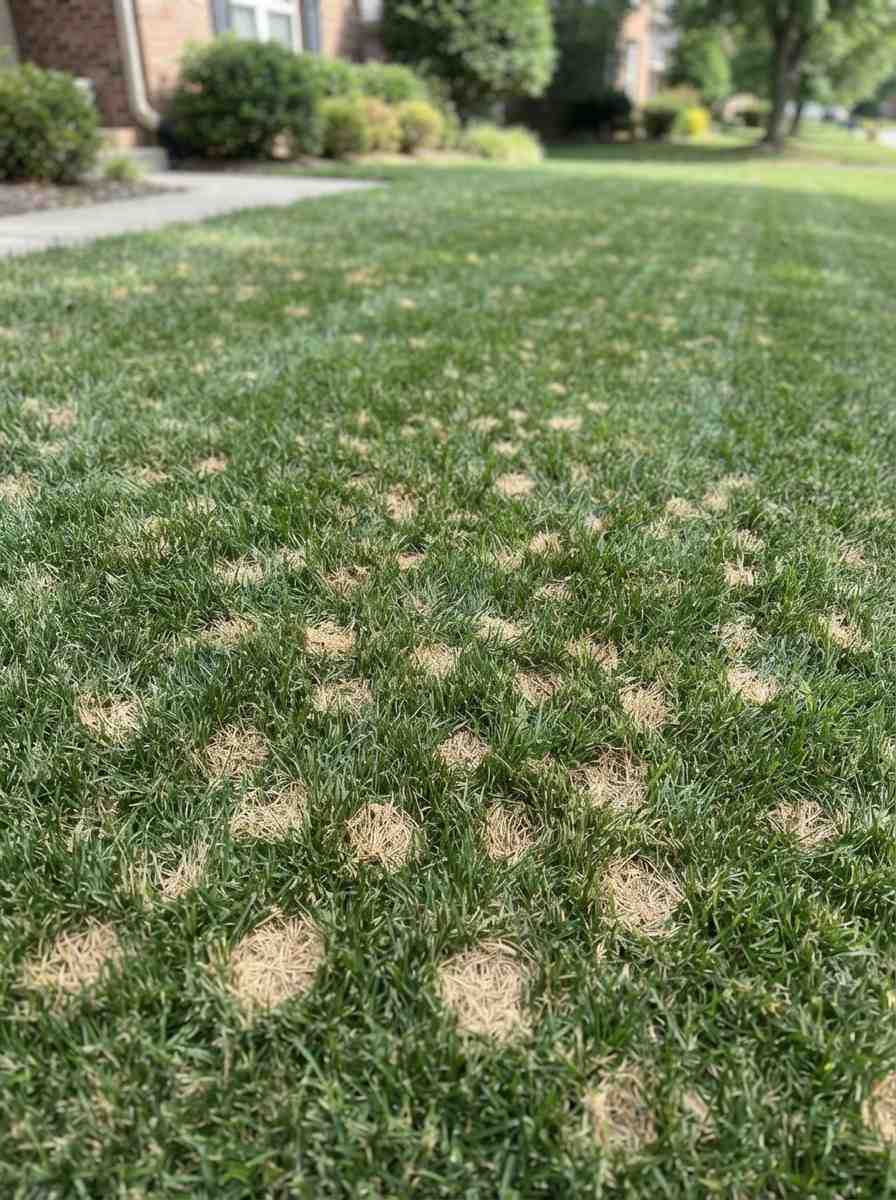
Dollar spot is a pervasive lawn disease that can quickly mar your turf with unsightly patches.
This guide dives deep into identification, causes, prevention, and effective treatments so you can restore and maintain a lush, healthy lawn all season long.
Understanding Dollar Spot Fungus
Dollar spot is a common fungal disease caused by the pathogen Clarireedia jacksonii, which attacks turfgrass under specific environmental conditions.
While it mainly affects cool- and warm-season grasses, it can appear virtually anywhere moisture and mowing practices allow fungal spores to thrive.
Recognizing the disease early often begins by discerning its unique symptoms and growth habits.
The fungus typically expresses itself as small, circular spots about the size of a silver dollar, often showing as bleached or straw-colored patches amid healthy green grass.
Over time, these spots may grow and merge, leaving larger affected areas that compromise the aesthetic and health of your lawn.
Knowing this baseline helps frame the comprehensive approach required for treatment.
The pathogen thrives in warm, humid conditions and when grass is under stress, so understanding its life cycle is essential before implementing control practices.
Identifying the Symptoms Accurately

A precise diagnosis starts with observing the turf grass blades closely.
Dollar spot damages grass blades in a distinct pattern, causing a bleached, straw-colored lesion with a characteristic reddish-brown border on leaf tips.
Looking closely reveals this damage disrupts the blade’s tissue, often curling and collapsing affected tips.
A close-up of a single leaf magnifies this signature symptom,a green leaf with tan necrotic tissue framed by sharp, dark borders,as seen in Image 1.
This contrast between healthy green and damaged, bordered areas is a clear visual marker useful for distinguishing dollar spot from other fungal diseases or nutrient deficiencies.
Misdiagnosis leads to ineffective treatment, so examining individual blades in early morning when dew is present can reveal these subtle yet telling signs before they spread extensively.
Environmental Conditions That Favor Dollar Spot

Moisture and temperature are among the leading culprits that enable the dollar spot fungus to flourish.
Extended leaf wetness from dew, rainfall, or irrigation creates a perfect nursery for spore germination.
The fungus thrives especially under warm daytime temperatures around 70–85°F paired with cool, damp nights.
Image 2 highlights this early morning dew clinging to fine grass blades interwoven with delicate webs, demonstrating the leaf wetness that offers the fungus a foothold.
This wetness prolongs the infection period, so reducing moisture is a critical preventive strategy.
Limiting prolonged turf leaf wetness by adjusting watering schedules, improving drainage, and promoting air flow is essential.
Understanding these conditions helps inform lawn care timing and reduces environmental provocations that spur outbreaks.
Proper Lawn Maintenance to Prevent Outbreaks
Balanced lawn care practices can significantly reduce dollar spot risk by boosting grass resilience against fungal infection.
Proper mowing height is paramount; keeping the grass at recommended height minimizes stress while avoiding overly long blades where moisture can linger.
Frequent blade removal, lawn aeration, and dethatching reduce organic debris that fosters fungal growth.
Fertilizing with appropriate nitrogen levels encourages strong, fast recovery from damage but must be managed carefully since excess nitrogen can exacerbate dollar spot severity.
Consistent, correct irrigation in the early morning rather than evening helps grass dry quickly and limits moisture duration.
These routine habits form the first line of defense, minimizing the need for chemical interventions and maintaining a vigorous, pathogen-resistant lawn.
Chemical and Organic Treatments: Application Strategies

When dollar spot has taken hold, targeted treatments can help contain and eradicate it.
Fungicides containing ingredients like chlorothalonil, thiophanate-methyl, or propiconazole are often effective when applied properly.
Timing applications before extensive symptoms develop or at first sign of disease improves outcomes.
Image 3 visually captures an application in progress, where a person is spraying fungicide over a visibly affected patch of turf.
The golden-brown diseased grass contrasts with the greener turf, showing the urgency of treatment during active infection.
Spraying requires uniform, even coverage to prevent untreated pockets where the fungus can rebound.
It is critical to follow label directions and rotate products with different modes of action to prevent resistance.
Organic alternatives such as biofungicides or natural extracts are gaining ground but may require more frequent applications and integrated cultural practices.
Equipment Sanitation and Disease Control

Cleaning and disinfecting lawn care equipment is an underappreciated yet crucial factor in preventing dollar spot spread.
The fungus can cling to mower blades, decks, and other gear, distributing spores across the lawn during maintenance routines.
Image 4 shows a person carefully wiping and spraying a lawn mower’s undercarriage with a disinfectant, evidencing best practices in equipment hygiene.
This visual reinforces the importance of preventing cross-contamination between diseased and healthy areas.
Regular cleaning with appropriate disinfectants after each use reduces residual fungal spores.
This helps contain outbreaks and complements other control measures, especially on larger properties or communal equipment.
Addressing Lawn Damage Through Aeration

Aeration is a vital practice for combating dollar spot damage by improving soil conditions and root health.
This process punches small holes in compacted soil, increasing oxygen, water infiltration, and nutrient availability to the turf.
The middle of Image 6 captures a man operating a core aerator across an affected lawn area adjacent to homes and planting beds.
The churned soil and lifted plugs indicate the mechanical relief being provided to stressed turf under fungal attack.
Aeration facilitates faster grass recovery, reduces excessive moisture retention at the surface, and encourages deeper rooting, making your lawn less susceptible to recurring fungal outbreaks.
It’s best performed during active growing periods for greatest restorative impact.
Fertilizing Strategies to Support Recovery

Post-treatment fertilization is key to replenishing nutrient stores and aiding lawn recovery after a dollar spot outbreak.
Using balanced fertilizers with moderate nitrogen supports healthy growth without encouraging excessive, vulnerable shoots.
Image 7 depicts a man pushing a broadcast fertilizer spreader over a patchy lawn marked by dollar spot damage.
The sandy-colored pustules amidst green grass highlight the visible need for nourishment to revive affected areas.
Gradual, consistent nutrient replenishment promotes strong root and shoot development.
Avoid high nitrogen spikes that can foster re-infection.
Tailored fertilizing based on soil testing is advisable for best long-term turf health.
Recognizing and Treating Severe Lawn Damage

In cases where dollar spot has caused extensive turf loss, overseeding or patch reseeding may be necessary to restore a uniform, lush lawn.
These interventions fill in bare spots created when the fungus kills grass blades and weakens root systems.
Image 5 presents a broad view of a lawn with numerous small, circular bleached patches amid green grass in a residential setting.
This visual exemplifies the typical pattern and extent of damage warranting resurfacing efforts.
Choosing the right grass species, seeding timing, and proper soil preparation are critical for successful recovery.
Combining overseeding with cultural and chemical controls provides a holistic approach to prevent recurrence.
Common Mistakes in Managing Dollar Spot
Many lawn owners unintentionally worsen dollar spot by overwatering or mowing at improper heights, which prolong leaf wetness and stress turf.
Applying fungicides excessively or inconsistently can also select for resistant strains, complicating control efforts.
Ignoring equipment sanitation permits fungal spores to spread rapidly across seemingly healthy sections.
Neglecting to address soil compaction leaves grass roots vulnerable and weak in the face of infection.
Understanding these pitfalls helps you avoid costly errors.
Integrating proper cultural care, precise diagnosis, and smart chemical use is crucial.
Awareness and discipline in routine maintenance hold the greatest power in managing dollar spot effectively.
Nuanced Tips for Long-Term Dollar Spot Control
Long-term management requires adopting a multi-faceted approach that balances cultural, chemical, and mechanical practices tailored to your geographic region and grass type.
Rotating fungicides annually reduces resistance risks, and using predictive weather models can help optimize timing.
Integrating tools such as soil testing, mowing pattern variation, and seasonal adjustments in irrigation promotes turf vigor and limits fungal habitat.
Minimizing stress through gradual fertilization and avoiding unnecessary lawn traffic during fungal pressure periods makes a difference.
Investing in education about your local environment and staying vigilant for early symptoms can transform reactive treatment into proactive prevention.
The persistent presence of dollar spot means your strategy must be thoughtful, responsive, and routine.
Monitoring and Early Detection Practices
Routine lawn inspections, especially during peak conditions in late spring through early fall, enable early identification of dollar spot before widespread damage occurs.
Walking the yard in the early morning when dew is visible helps reveal fungal symptoms unnoticed during dry periods.
Employing simple tools like handheld magnifiers and moisture meters can refine your observations.
Keeping detailed records of affected areas and treatment history assists long-term management optimization.
An early intervention mindset lowers treatment intensity and preserves lawn aesthetics.
Setting a monitoring schedule aligned with your regional climate ensures you stay ahead of potential outbreaks.


Leave a Reply