
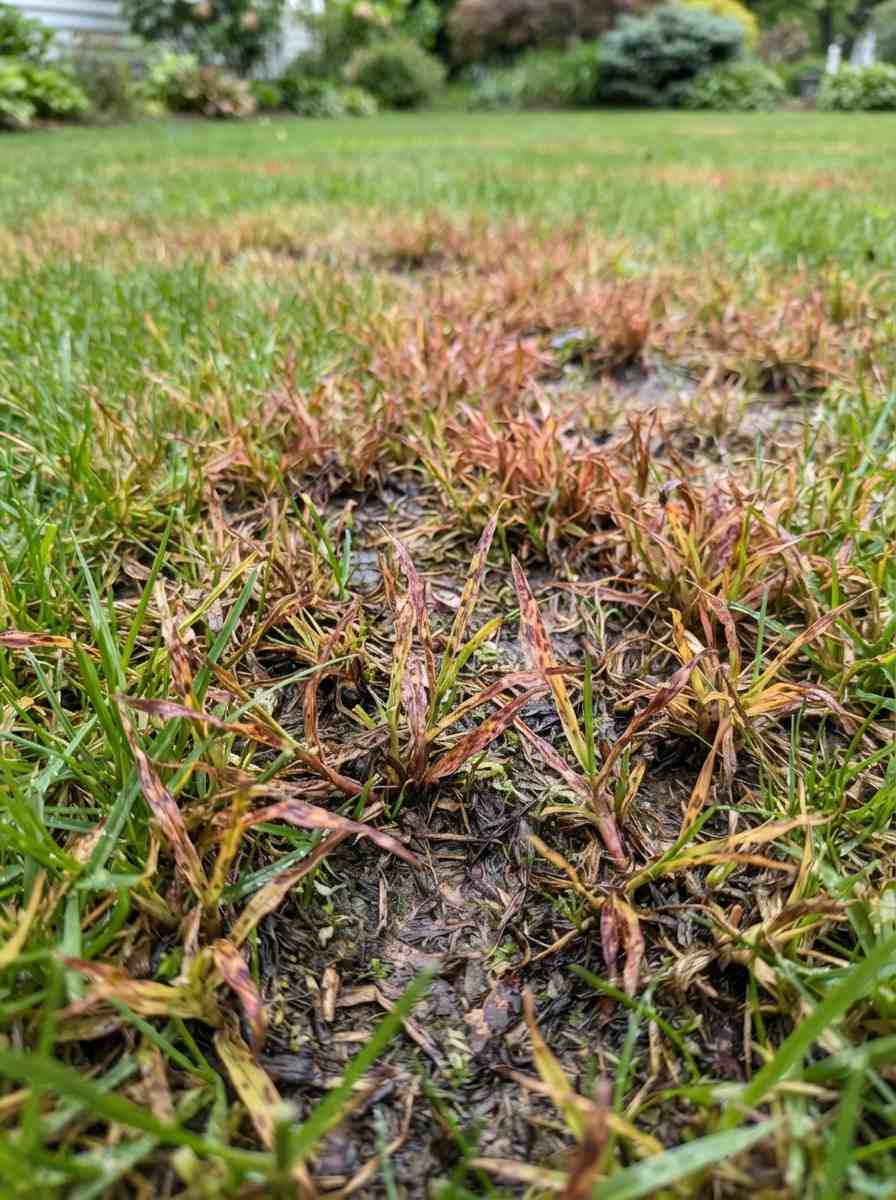
Melting-out disease, a fungal infection impacting lawns, can cause significant damage if not recognized and treated promptly.
This guide will help you identify symptoms, understand underlying causes, and implement effective strategies to restore your lawn’s health and vitality.
Understanding Melting-Out Disease
Melting-out disease is a fungal infection that primarily affects cool-season grasses, causing them to weaken and die off in clumps or patches.
This disease originates in the roots and crowns, where fungal pathogens invade and disrupt nutrient and water uptake.
Knowing the biology of this disease is essential for early identification and successful management.
The disease progression typically starts at the roots and moves upward, leading to the thinning and yellowing of grass blades before rapid dieback.
It thrives under moist conditions and is exacerbated by compacted soils and poor drainage.
The fungal spores survive in the soil and organic debris, making infected lawns a recurring problem if left unaddressed.
Environmental factors such as heavy rainfall, overwatering, and cool, wet weather often spur outbreaks.
This interplay of fungus, weather, and lawn conditions means that understanding your local climate patterns can be a powerful preventive tool.
Recognizing these root causes allows you to approach lawn care holistically, improving soil health and drainage while selecting resistant grass varieties to minimize the disease’s impact.
Prevention is always more effective than cure, especially with fungal diseases that are persistent and difficult to eradicate.
Early Signs: Leaf and Blade Symptoms

An early visual indicator of melting-out disease is the presence of distinct leaf lesions.
These lesions appear as small tan to brown spots with dark purple or reddish edges scattered along individual grass blades.
Close inspection often reveals that the spots are irregularly shaped but consistently bordered, a hallmark of fungal infections.
Checking leaves in the morning when dew is present can make spotting these lesions easier, as water droplets highlight the lesion patterns against the fresh green background of healthy blades.
Early detection here gives you an upper hand in controlling the spread.
It’s important not to confuse these spots with damage from insects or chemical burns; the regularity and clear margins around the spots are key differentiators.
These lesions gradually increase in size and number as the disease advances, signaling that the roots and crowns may already be compromised.
If you see these symptoms, inspecting the roots is a logical next step.
You need to confirm whether the disease has progressed beyond superficial leaf damage to intervene appropriately.
Root and Crown Damage: The Disease’s Core

Melting-out disease attacks the root system and crown, where fungal pathogens cause decay and rot.
Affected roots often become dark, mushy, and brittle, with visible necrotic lesions extending upward onto the crown.
This decay disrupts water and nutrient transport, causing the grass to wilt and die.
Examining roots requires gently uprooting a few affected grass patches for a closer look.
You may notice root hairs missing and discoloration that contrasts starkly with healthy, firm white roots.
The crown, the central growth point where shoots emerge, is usually blackened or soft.
Roots in wet, compacted soil are especially vulnerable to fungal invasion; they cannot respire properly, creating ideal conditions for disease progression.
Diagnosing this stage definitively is critical because once roots are severely damaged, recovery requires more aggressive treatment.
Act promptly if root rot is observed, as damaged root systems will fail to supply the blades, causing the visible lawn decline and thinning patches typical of melting-out disease.
Identifying Lawn Symptoms and Patterns

When melting-out disease affects a lawn, observing the pattern and type of damage can guide diagnosis.
The disease often manifests as irregularly shaped, thinning patches of dead or dying grass that appear sunken compared to surrounding healthy turf.
These patches may have reddish-brown to tan discoloration and a soggy appearance in wet soils.
One of the most telling signs is the presence of thin, wilted grass in affected areas, which contrasts with densely growing healthy sections around them.
The lawn can develop a patchy and uneven texture, as the disease creates pockets of decline.
It’s common for melting-out to be confused with drought stress or pest damage.
Watching for the combination of wilting, discoloration, and soft, decaying crowns will help differentiate melting-out from other lawn stressors.
Recognizing these lawn-wide symptoms early gives you the opportunity to act before the disease spreads extensively, improving the chances of saving the turf and avoiding costly reseeding.
Cultural Practices to Prevent Melting-Out
Proper lawn care and cultural practices are foundational in preventing melting-out disease.
Ensuring good drainage and avoiding soil compaction helps reduce the moisture buildup that fungi favor.
Aeration, for example, improves oxygen availability to roots and facilitates runoff, directly countering conditions that promote fungal growth.
Mowing height also matters; maintaining a taller cut reduces plant stress and strengthens root systems, increasing disease resistance.
Overwatering should be avoided because excess surface moisture creates an ideal environment for fungal spores to thrive.
Fertilization balanced to supply essential nutrients,especially nitrogen and potassium,supports robust grass growth and resilience against pathogens.
Avoid excessive nitrogen, which can weaken grasses and invite disease outbreaks.
By adopting these practices proactively, you create an environment hostile to the fungus.
Prevention through cultural care will always be more cost-effective and sustainable than treatment after infection.
Core Aeration: Enhancing Root Health

Core aeration is a vital step in treating and preventing melting-out disease by improving soil structure and root oxygenation.
This process involves using specialized machinery to remove small soil plugs, like the one visible in the photo showing a homeowner aerating their lawn on a crisp autumn day.
You can see rows of displaced soil cores on vibrant grass, under soft, overcast light creating a natural garden setting.
Aeration reduces compaction and enhances water infiltration, ensuring roots are not waterlogged and can breathe correctly.
It also assists in breaking up thatch, the organic that layer where fungi may persist unnoticed.
Performing core aeration during the lawn’s active growth period optimizes recovery, allowing healthy grass to fill in efficiently after treatment.
It’s an investment in both current disease control and future lawn resilience.
For best results, follow aeration with overseeding and fertilization, creating a comprehensive approach to repair and strengthen your lawn against melting-out and other diseases.
Chemical Treatments and Fungicides
When cultural methods alone aren’t enough, applying appropriate fungicides can halt melting-out disease progression.
Fungicides containing active ingredients like azoxystrobin or chlorothalonil are effective against many turf fungal pathogens.
Timing is crucial; applying treatments during early disease development provides the most benefit.
It is important to carefully follow label instructions regarding dosage, frequency, and safety precautions.
Overuse or improper application can harm grass health and encourage resistant fungal strains.
Combining fungicides with cultural practices maximizes control by attacking the fungus while promoting turf health.
Spot treating visible infected areas, especially during wet weather, reduces fungal spread.
Routine monitoring post-treatment ensures that symptoms are declining and the grass crown and roots are stabilizing.
Keep in mind fungicides are a temporary solution.
Integrated management that improves soil health and plant vigor is key to long-term control.
Recognizing Lawn Recovery and Maintenance

After treatment, it is essential to monitor lawn recovery carefully.
Healthy turf renewal begins with new green shoots emerging from crowns with intact roots.
Look for gradual expansion of green, lush growth replacing previously diseased patches, signaling that the treatment and cultural adjustments are taking effect.
The photo showing a flawlessly maintained, bright green lawn with clear mowing stripes highlights what a well-recovered turf should resemble.
Notice the dense, even grass cover and vibrant color which reflect strong root health and absence of fungal stress.
Consistent watering, mowing, and fertilization schedules help maintain the strengthened lawn.
Avoid heavy foot traffic and repeated stress during recovery to support root regrowth and crown repair.
Sustained vigilance is necessary even after visible recovery.
Regular lawn inspections and preventive care ensure your yard remains resilient against future melting-out outbreaks.
Common Mistakes and How to Avoid Them
A frequent error is misidentifying melting-out symptoms as drought or nutrient deficiency, leading to improper treatments such as excessive watering or fertilization, which exacerbate the problem.
Understanding the disease’s distinct lesion patterns and root rot symptoms helps prevent these costly missteps.
Ignoring soil compaction and drainage issues also contributes to repeated outbreaks.
Lawn owners often underestimate the importance of aeration and soil amendment, focusing solely on fungicides without addressing fundamental root causes.
Delaying treatment until patches are large makes recovery much more difficult and expensive.
Early intervention is key to stopping fungal spread and restoring lawn vigor.
Avoid these mistakes by regularly inspecting turf, maintaining balanced cultural practices, and combining preventive and corrective measures.
A well-informed approach saves resources and preserves the long-term beauty of your lawn.
Seasonal Awareness and Long-Term Prevention

Melting-out disease often develops when weather conditions shift to cool, wet seasons, especially in late fall and early spring.
Being aware of these seasonal risk periods enables timely preventive care and monitoring.
Adjust your lawn maintenance schedule to reduce compaction and improve drainage ahead of these critical windows.
Select grass varieties with increased resistance to fungal diseases suited for your climate zone.
Planting disease-resistant cultivars minimizes vulnerability and reduces fungicide dependence.
Long-term prevention also involves improving soil biology with organic matter and beneficial microbes that compete against pathogenic fungi.
Maintaining soil health promotes natural disease suppression.
Adopting a proactive, season-aware lawn care routine incorporating resistant varieties, balanced watering, and aeration ensures your lawn remains healthy year-round and reduces the impact of melting-out disease.



Leave a Reply