
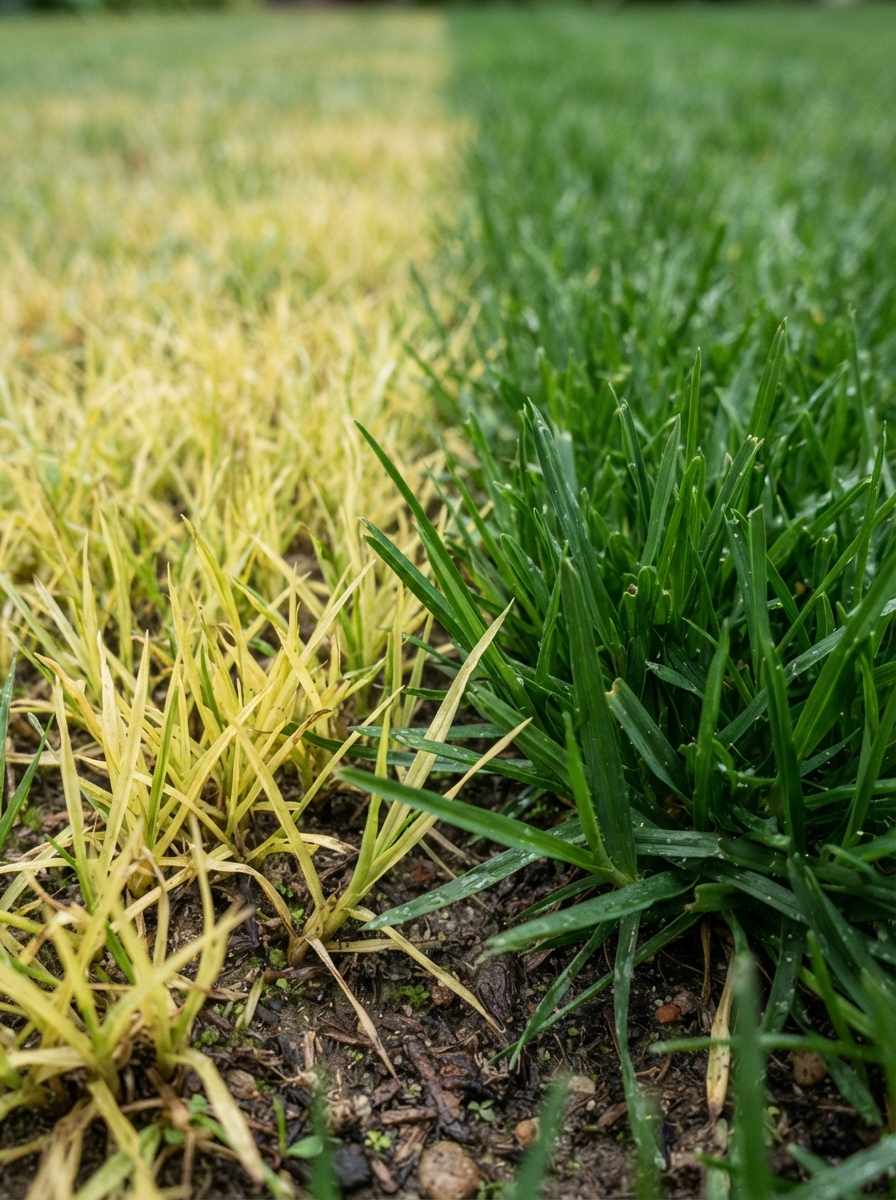
Achieving a vibrant, green lawn hinges on addressing iron availability in your soil.
This comprehensive guide explores the differences between chelated and non-chelated iron fertilizers, their impact on lawn health, and expert strategies to ensure your grass thrives, regardless of soil conditions.
The Role of Iron in Lawn Health
Iron is a vital micronutrient that plays a crucial role in chlorophyll production, which directly impacts the rich green color of your lawn.
Without sufficient iron, grass blades often turn yellow, a condition known as iron chlorosis.
Understanding this foundational role helps clarify why iron supplementation is often necessary, especially in soils that naturally limit iron uptake.
Iron deficiency in turfgrasses manifests as interveinal yellowing, initially on younger leaves, reducing photosynthesis and weakening overall plant vitality.
This not only affects appearance but also lawn resistance to pests and environmental stresses.
Recognizing the signs of iron deficiency is essential for timely corrective action.
Knowing why iron matters sets the stage for selecting the right iron product.
Not all iron sources are equally effective or stable in every soil type.
Therefore, a deeper examination of iron forms and their behavior in soil will guide smarter lawn care decisions.
Chemical Differences Between Chelated and Non-Chelated Iron

Chelated iron is iron that is chemically bound to an organic molecule, called a chelate, which protects the iron from reacting with other soil elements and becoming unavailable to plants.
Non-chelated iron, such as iron sulfate, is unprotected and more prone to forming insoluble compounds that plants cannot absorb.
This fundamental chemistry affects solubility and mobility in soil.
Chelated iron maintains its solubility over a wider pH range, whereas non-chelated iron tends to precipitate quickly in alkaline conditions.
As a result, chelated iron offers a more consistent and reliable source of the nutrient for your lawn.
Understanding these molecular differences is crucial because they explain the variability in performance observed when each form is applied.
While non-chelated iron may initially seem cheaper, its limited availability can lead to wasted product and suboptimal lawn health.
How Soil pH and Type Affect Iron Availability

Soil pH dramatically influences iron availability, with acidic soils (pH below 6.5) typically having ample soluble iron, while alkaline soils (pH above 7.5) often cause iron to become chemically locked and inaccessible to plants.
Clay soils, rich in minerals, also tend to bind iron tightly, compounding this issue.
The complex chemistry in high pH, alkaline clay soils causes free iron ions to bond with other elements or settle as insoluble compounds.
The diagram in the guide reveals how chelated iron forms a protective ring that keeps iron in solution, allowing roots to absorb it despite the challenging environment.
If your lawn soil tends to be alkaline or heavy clay, chelated iron is usually the better choice.
A soil test is invaluable here.
It reveals pH and texture details that define which iron treatment will be most effective, preventing costly trial-and-error in your lawn care routine.
Visual Symptoms of Iron Deficiency in Turfgrass

Iron deficiency first appears as yellowing or whitening of young grass blades while veins remain greener, a pattern called interveinal chlorosis.
These pale stripes are distinct and help differentiate iron deficiency from other problems like nitrogen shortage, which yellows entire blades evenly.
Close-up images show that yellowed blades may also become dry and brittle.
Such visual clues allow you to identify iron stress early, preventing extensive damage that weakens grass roots and invites weed invasion.
The severity of symptoms correlates with how long the deficiency persists and the iron form’s availability.
Accurate diagnosis is the foundation of effective lawn recovery.
Recognizing the specific leaf patterns associated with iron chlorosis guides targeted treatments, whether through foliar sprays or soil amendments, making your lawn greener faster.
Applying Iron Fertilizers: Techniques and Timing

The method of applying iron significantly impacts how well plants absorb the nutrient.
Foliar feeding, using sprays, delivers iron directly to the leaf surface for rapid correction of chlorosis symptoms, especially with chelated forms that penetrate more easily.
One image shows a gardener carefully spraying soluble iron onto a lush lawn.
This precise technique ensures even coverage while minimizing runoff or soil over-application.
Timing also matters; early morning or late afternoon applications reduce leaf burn risk and optimize absorption under moderate temperatures.
Consistency and dosage matter as well.
Overapplication, particularly with non-chelated iron, can burn grass or cause uneven patches.
Following label recommendations and adjusting frequency based on soil and weather conditions enable sustainable lawn greening.
Benefits and Drawbacks of Chelated Iron Products
Chelated iron stands out for its superior stability and efficiency, especially in alkaline soils, providing a long-lasting green-up effect that non-chelated iron cannot match.
Its ability to resist precipitation and maintain solubility delivers more usable iron to grass roots.
However, chelated iron products typically cost more and require careful selection,different chelates (e.g., Fe-EDDHA, Fe-DTPA) vary in pH range effectiveness.
Misapplication or using a chelate unsuitable for your soil conditions can reduce benefits.
Storage and handling must avoid contamination to preserve stability.
Despite higher upfront costs, the return on investment in turf health and appearance often justifies choosing chelated iron.
For challenging soils, this choice reduces repeated applications and minimizes environmental impact by preventing iron buildup or runoff.
Common Mistakes When Using Non-Chelated Iron
Non-chelated iron fertilizers like iron sulfate are prone to rapid oxidation and precipitation, particularly in high pH soils, making much of the applied iron unusable for your lawn.
Applying them without considering soil pH leads to spotty results and wasted products.
Another frequent error is overapplication, which triggers lawn burn from high iron concentrations at the soil surface, particularly if granules accumulate unevenly.
Non-chelated iron is also more sensitive to moisture conditions; dry soils reduce its effectiveness while saturated soils risk runoff.
Understanding these pitfalls is crucial to avoiding frustration and lawn damage.
When non-chelated iron suits your soil type, ensure precise dosing, incorporate watering immediately afterward, and avoid treating during peak heat to reduce stress on grass and maximize uptake.
Recognizing Lawn Response Differences to Iron Forms

The stark visual contrast between healthy green grass and yellowed, iron-deficient patches highlights the varied lawn responses to chelated versus non-chelated iron treatments.
One image vividly shows half a lawn in lush green health, while the other half suffers chlorosis, signaling underperformance of a likely non-chelated iron supply.
Lawn response times differ markedly.
Chelated iron often produces noticeable improvement within days after application, sustaining color with a gradual fading that avoids scorch.
Non-chelated iron, on the other hand, might only temporarily mask deficiencies or create uneven green patches due to inconsistent iron availability.
By carefully evaluating lawn color patterns and health over time, you can infer which iron product suits your lawn best.
This observational feedback should guide future fertilization strategies, preventing guesswork and encouraging confidence in your turf care routine.
Proper Storage and Handling of Iron Fertilizers
Iron fertilizers, particularly chelated forms, require careful storage to preserve chemical integrity.
Exposure to moisture, heat, or contaminants can degrade chelates, reducing effectiveness before application.
Using airtight containers and storing in cool, dry locations is essential.
Non-chelated iron, while more robust, still demands dry storage to avoid premature oxidation or caking that complicates application.
If pelletized fertilizers become moist or clump, they may distribute unevenly and burn grass.
Proper handling includes measuring accurately and mixing well for liquid sprays.
Paying attention to storage and handling extends shelf life, ensures application efficiency, and protects your investment.
Neglecting this aspect leads to costly spoiled products and inconsistent lawn results, undermining your overall fertilization efforts.
Integrating Iron with Overall Lawn Fertility Programs
Iron supplementation should not be a standalone solution; success depends on integrating it into a balanced nutrient program that includes nitrogen, phosphorus, potassium, and trace elements.
Imbalanced fertilization can mask iron benefits or lead to unintended nutrient competition.
For example, high soil phosphorus levels can interfere with iron uptake, making chelation even more important.
Coordinating soil tests and adjusting lime applications alongside iron treatments optimizes nutrient availability and pH levels for sustained lawn health.
By viewing iron needs within this broader fertility context, you avoid costly errors and support resilient, evenly green lawns.
This holistic approach maximizes turf vigor beyond simple color correction, ensuring a lawn that withstands seasonal challenges gracefully.
Environmental and Safety Considerations
Both chelated and non-chelated iron fertilizers carry environmental implications that must be managed carefully.
Excessive iron application can lead to runoff pollution or soil accumulation that harms beneficial microbes.
Using the right form and dose minimizes waste and environmental impact.
Chelated iron molecules, while protective, may also persist in soil and water longer, so following recommended application rates and timing is critical.
Proper personal protective equipment during handling prevents skin irritation or accidental ingestion.
Being mindful about iron product selection, application practices, and disposal reflects responsible lawn care.
This ensures your iron treatments enhance the environment as well as your lawn’s beauty, aligning aesthetics with sustainability priorities.
Achieving a Vibrant Lawn: Real-World Results

Nothing compares to seeing a perfectly manicured lawn that benefits from the proper iron treatments.
One photo reveals a lush, uniform green lawn edged with clean flower beds and healthy shrubs, showing what can be achieved with informed iron fertilization combined with good cultural practices.
Achieving this level of lawn health requires attention to detail in iron selection, correct application timing, and consistent maintenance.
The vivid green grass, well-defined mowing lines, and surrounding healthy plantings demonstrate the cumulative effect of sound soil management and nutrient care.
This ideal scenario motivates continued diligence in iron fertilizer choices and lawn care practices.
Proper knowledge and effort do pay off, turning ordinary turf into a landscape centerpiece that enhances your outdoor living space and property value.
Professional Advice: When to Consult Experts

Sometimes, lawn iron issues go beyond simple product choices and basic applications.
Persistent chlorosis despite treatments, irregular green patches, or suspected soil contamination are indicators that expert consultation is needed.
Professional turf managers or soil scientists can perform advanced diagnostics.
Experts offer soil and tissue analysis, personalized nutrient prescriptions, and advanced treatments including soil amendments or professional-grade chelates.
This tailored guidance saves time and money by avoiding trial-and-error failures, especially for large or high-value lawns.
Recognizing the limits of DIY fertilization empowers you to seek expert help proactively, ensuring your lawn problems are resolved effectively.
Partnering with professionals maximizes the benefits of both chelated and non-chelated iron products within a customized lawn care strategy.


Leave a Reply