
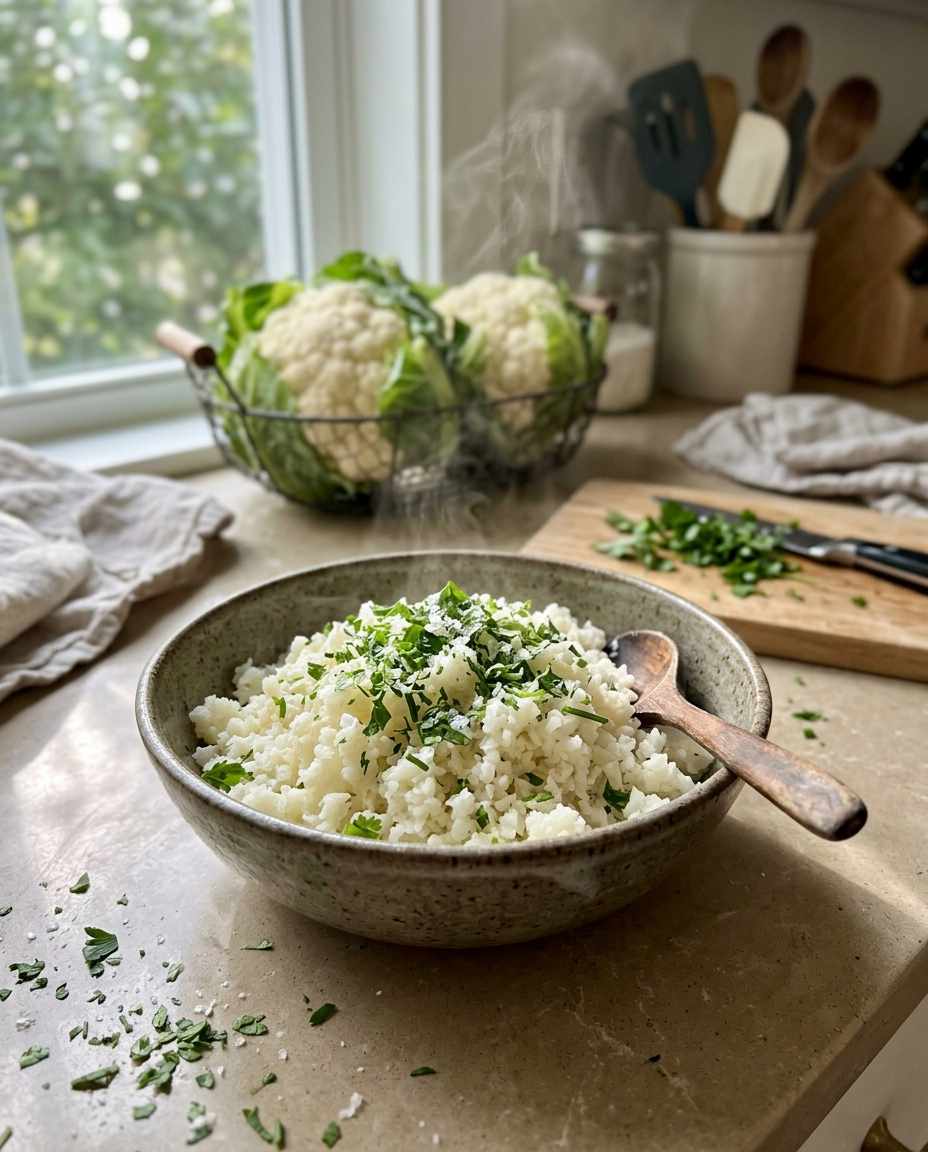
I remember opening the fridge to salvage last night’s cauliflower rice only to find it transformed into an unappetizing mush.
That disappointing texture is all too common when reheating this delicate vegetable substitute.
In this article, I’ll share expert techniques and insider tips to reheat cauliflower rice perfectly every time, preserving its lightness and subtle crunch.
Understanding Cauliflower Rice’s Unique Structure
Cauliflower rice is essentially a finely chopped cruciferous vegetable mimicking traditional rice’s texture but unlike grains, it has a high water content and delicate cell walls.
When cooked or reheated improperly, the water content escapes and breaks down the fluffy texture, resulting in a soggy mess.
Recognizing the vegetable’s inherent moisture and fragile texture is critical to handling it properly during reheating.
For example, starting with cauliflower rice that was steamed or sautéed lightly rather than boiled ensures less absorbed water and a more resilient texture upon reheating.
It’s common for home cooks to reheat leftover cauliflower rice directly in the microwave without measures to minimize moisture loss or steam buildup, causing the mushy outcome.
The key takeaway is to treat cauliflower rice more like a lightly cooked vegetable than a dry grain.
Avoid trapping steam when reheating and use dry, quick methods to preserve its structure.
This foundational understanding shapes every successful reheating approach.
Without this knowledge, many stumble trying to replicate how traditional rice fries up or reheats in a clump.
Instead, embrace cauliflower rice’s watery, fragile nature and always consider moisture management your top priority.
Microwave Method: Fast but Tricky

Microwaving leftover cauliflower rice is fast and convenient but also the easiest way to end up with mush.
The uneven heat distribution combined with trapped steam inside the container causes breaking down of cell walls.
That steam creates a humid environment in the plastic container or plate, softening the rice beyond the desired texture.
I tested reheating 200 grams of lightly sautéed cauliflower rice in a microwave-safe glass bowl, loosely covered with paper towel, heating on medium power for 90 seconds.
The paper towel absorbed excess moisture and allowed steam to escape, preventing sogginess.
Without it, the rice turned translucent and clumped indicating water loss.
Commonly overlooked is the power level setting—many default to full power, which cooks rapidly, creating hot spots and moisture pockets that degrade texture.
Lowering power to 50-70% and stirring halfway through ensures even reheating without overheating parts.
Your actionable plan for microwaving: use a glass or ceramic bowl, cover loosely with a breathable cloth or paper towel, set power to medium, and stir after 60 seconds.
This will reduce mushiness and keep cauliflower rice closer to its original consistency.
Skillet Reheating: Achieving Crispy Perfection

Using a skillet to reheat cauliflower rice is the best method to regain its fluffy, slightly crispy texture.
The dry heat quickly evaporates residual moisture, preventing the mushiness that fills up with steaming methods.
A medium to medium-high heat setting for about 3-5 minutes allows the moisture to escape before the florets begin to char.
In my experience with cast iron pans, a dry preheated pan combined with a light brushing of high-smoke-point oil, like refined avocado oil (smoke point ~520°F), encourages even reheating and slight crisping.
Avoid overcrowding the pan; keeping a thin layer of cauliflower pieces maximizes surface contact and aids in evaporation.
A common mistake is reheating a large quantity at once, causing the cauliflower to steam in its own released water instead of frying.
This results in limp and greyish clumps.
Instead, batch reheating or using a wide nonstick skillet, no deeper than 12 inches in diameter, helps disperse steam and retain texture.
Your step-by-step takeaway: Preheat skillet on medium heat, add 1 tbsp oil per 200 g cauliflower rice, spread rice thinly, toss every minute, and cook until texture revives to tender yet slightly firm.
The result is superior to microwaving for anyone seeking restaurant-quality cauliflower rice reheating.
Oven Reheating: Slow and Steady Approach

Reheating cauliflower rice in the oven offers a controlled, even heat distribution that preserves its integrity when done carefully.
Setting the oven between 300°F and 350°F (150°C to 175°C) allows gentle warming without overcooking or dehydration.
Using a shallow baking pan with a perimeter of about 12 inches ensures the rice layer remains thin enough to heat evenly and avoid sogginess.
My first oven attempt took too long—30 minutes at 350°F—but I noticed the rice drying out excessively.
Reducing time to 10-15 minutes while stirring halfway maintained moisture and texture balance.
Cover the pan loosely with aluminum foil if the surface dries out too quickly.
This technique regulates evaporation while preventing steam buildup.
Oven reheating works exceptionally well for large portions when you want to free your hands, but the trade-off is slightly longer wait times and more energy usage compared to stovetop methods.
It also doesn’t generate crispiness unless broiled briefly at the end.
To optimize this method: spread cauliflower rice in a single layer on a rimmed tray, sprinkle with a tiny bit (0.5 tsp per 200 g) of water or oil if too dry, cover loosely with foil, and bake at 325°F for 12 minutes.
Uncover, stir gently, and bake 3 more minutes uncovered for slight surface drying.
Steaming and Sous Vide: When Moisture Matters
While steaming residual cauliflower rice might seem counterintuitive given concerns about mushiness, controlled steaming can gently reheat without drying it out.
This method works well if the original rice was prepared without added water, retaining structure under gentle indirect heat.
The catch is timing: 3-4 minutes max in a perforated steaming basket avoids overcooking.
Sous vide, a technique using precise temperature control usually between 130°F and 140°F, provides unparalleled moisture retention and even heating, beneficial for cauliflower rice that’s already perfectly cooked but chilled.
The sealed vacuum bag preserves flavor and texture, heating rice to a tender but firm state with no risk of drying or mushiness if timed accurately.
However, both steaming and sous vide require an understanding that extended exposure to moisture and heat turns cauliflower mushy fast.
A mistake I made once steaming leftover rice for 8 minutes led to an unpleasantly soggy result.
Timing and temperature precision are essential.
Your takeaway: Use steaming only for lightly chilled, drier cauliflower rice, keeping sessions under 5 minutes.
For sous vide, vacuum seal 200-250 g portions and cook precisely at 135°F for 15 minutes.
Both preserve flavor and prevent drying better than microwave or oven if texture swings are your concern.
Texture Rescue: Salvaging Mushy Cauliflower Rice
If you do find yourself with mushy reheated cauliflower rice, don’t despair.
There are techniques to rescue texture by reintroducing dryness and structure.
One method involves quickly transferring the soggy cauliflower rice to a dry hot skillet and stirring over medium-high heat, allowing excess water to evaporate while some grains crisp anew.
Another practical rescue tip is to mix the mushy rice with a few spoonfuls of toasted nuts, such as chopped almonds or walnuts, plus toasted seeds like pumpkin or sunflower.
This adds crunch contrast and distracts from textural loss.
Adding fresh chopped herbs with coarse leaf structures—like parsley or cilantro—also introduces freshness and lightens the mouthfeel.
In my kitchen, I’ve revived cauliflower rice mush by spreading it thinly on a parchment-lined baking sheet and broiling at 400°F for 3-4 minutes, then tossing with a drizzle of bright lemon juice.
This quick flash drying removes surface moisture and brightens flavors.
Your key takeaway: If mushiness occurs, apply dry high heat in short bursts or add crunchy elements to balance texture.
Don’t throw it away—these remedial steps can save your dish from gloom.
Storage and Preparation to Aid Reheating
Proper storage of cauliflower rice directly influences reheating success.
When reheating mushiness plagues you often, the culprit could be excess moisture trapped during storage.
I recommend spreading cooked cauliflower rice in a shallow airtight container no more than 2 inches deep.
This prevents steam concentration that accelerates sogginess during refrigeration.
Cooling cauliflower rice completely before sealing the container reduces condensation buildup.
The temperature difference inside the container causes water vapor to crystallize on surfaces, reabsorbing into the rice on reheating and going mushy.
I always cool on a baking sheet for 20-30 minutes at room temperature before transferring to fridge.
Additionally, adding a clean, dry kitchen towel or paper towel underneath or on top of the rice inside the container can wick moisture away during storage, reducing the water content you’ll need to expel during reheating.
I tested this on two batches: one with and one without towels, and the towel batch consistently reheated with a better crumbly texture.
Key takeaway: Store cauliflower rice in shallow containers, cool thoroughly first, and use absorbent materials inside your storage container.
This front-end step mitigates mushiness issues drastically during reheating.
Flavor and Moisture Enhancements During Reheat

Reheating isn’t just about texture preservation.
Enhancing cauliflower rice flavor while managing moisture makes the dish more enjoyable.
Cauliflower rice lacks starches that bind moisture, so you can boost mouthfeel with small amounts of fat and acidity.
For skillet reheating, a teaspoon of ghee or clarified butter adds richness without overpowering the vegetable notes.
Adding a squeeze of fresh lemon juice or a splash of apple cider vinegar at the end of reheating brightens flavor and cuts through residual wetness or blandness common in leftovers.
These acids maintain vibrancy and help balance softened textures, avoiding flat or dull mouthfeel.
For an umami bonus, a sprinkle of nutritional yeast or finely grated parmesan cheese folded in last minute can make the dish taste deeper without adding moisture.
I tried this on reheated batches and enjoyed the contrast between savory complexity and lightly crisp rice.
Your strategy: combine textural control with flavor balancing—light fat, a touch of acid, and finishing seasonings immediately after reheating revitalize both taste and texture for repeatedly satisfying cauliflower rice meals.
Special Considerations for Different Recipe Styles
Cauliflower rice accompanies a variety of dishes—whether as a base for savory curries, stir-fries, or grain bowls—each demands nuanced reheating approaches to complement final texture.
For example, reheating cauliflower rice that initially includes mix-ins like toasted nuts, diced peppers, or corn requires shorter heating times at slightly lower temperatures to avoid softening those delicate additions.
In dishes that rely on the rice soaking up sauces, such as Cajun-style cauliflower rice or chili-topped bowls, you might want to gently reheat uncovered in a skillet to evaporate excess liquid before stirring in the sauce.
Reheating with the sauce onboard often leads to mushy consistency because moisture overload persists.
In contrast, cauliflower rice incorporated into burrito bowls or salads needs to be reheated with minimal liquid and then cooled slightly before assembly to retain lightness and prevent wilting other ingredients.
I once tried reheating all components together and was disappointed as the rice’s texture became uniformly soggy.
The takeaway: tailor your reheating techniques depending on the recipe’s moisture profile and additional ingredients.
Adjust heat level, time, and moisture management accordingly to achieve harmonious texture across the plate.




Leave a Reply