
Transform ordinary household items into powerful gardening tools with these practical hacks.
From starting seedlings to natural pest control and water-saving techniques, this listicle offers creative, eco-friendly tips that make gardening easier, affordable, and more sustainable for any green thumb.
Why Everyday Items Make Smart Garden Hacks
Gardening often demands specialized tools and supplies, which can be costly and generate waste.
Using common household items offers a dual benefit: reducing environmental impact while solving everyday gardening challenges such as pest control, seed starting, or water conservation.
These hacks make gardening more accessible and sustainable by repurposing inexpensive or discarded materials.
Before applying these ideas, consider your garden’s size, climate, and plant types to ensure compatibility.
Space availability and time commitment affect which hacks fit best, while your skill level may influence how you implement certain DIY solutions.
Selecting the right hack can maximize impact while minimizing effort and expense.
1. Eco-Friendly Seedlings in Cardboard Tubes

Starting seedlings in biodegradable containers like recycled cardboard tubes eliminates plastic waste and provides a sustainable method for indoor germination.
These tubes, such as repurposed toilet paper rolls, hold soil securely and allow roots to grow without transplant shock.
The jagged leaves resembling tomato seedlings show healthy early growth suitable for spring planting.
Spacing seedlings evenly in the tray ensures airflow and minimizes disease risk.
Once seedlings outgrow their tubes, plant the entire container directly into the garden where the cardboard will decompose, enriching the soil naturally.
This method reduces transplant stress and promotes healthy root development.
2. Natural Fungus Control with Cinnamon Powder

Applying ground cinnamon to seed-starting soil acts as a natural antifungal agent that combats damping-off disease in vulnerable seedlings.
Cinnamon’s antimicrobial properties inhibit fungal growth, protecting young plants like lettuce or basil from root rot during early germination stages.
Sprinkling a light dusting of cinnamon around sprouted seedlings helps maintain a disease-free environment without harsh chemicals.
Avoid overuse, which can dry out soil, and combine with proper watering and drainage.
Incorporate cinnamon treatment early in spring seed starting to nurture healthy herb or vegetable seedlings.
3. Banana Peels as Nutrient-Rich Fertilizer

Burying banana peels near rose bushes enriches soil with potassium, phosphorus, and calcium essential for vibrant blooms.
As organic matter decomposes, nutrients release slowly, improving soil fertility and promoting stronger plant growth.
Place peels several inches from the base to prevent root damage while allowing microbial activity to break them down efficiently.
This cost-effective, waste-reducing fertilizer is ideal for nutrient-hungry flowering plants like roses, and applying it in spring or early summer aligns with peak growth cycles.
4. Pumpkin Planters for Indoor Herb Gardens

Using halved pumpkins as biodegradable herb planters incorporates seasonal freshness and reusability into indoor gardening.
The pumpkins provide a nutrient-rich growing medium, slowly decomposing to feed herbs such as basil, parsley, thyme, and dill.
Their natural hardness supports soil while brightening indoor spaces.
Maintain proper drainage and avoid overwatering to prevent rot.
Start seeds in these planters during fall or spring indoors near bright windows.
After transplanting, add pumpkin remnants to compost or garden beds to recycle nutrients back into the soil.
5. Eggshells as Calcium-Rich Seed Starters

Repurposing eggshell halves as seed-starting containers offers a compact and affordable way to grow seedlings while recycling kitchen waste.
Eggshells supply calcium, vital for cell wall strength in young plants like tomatoes or peppers, reducing blossom-end rot risk.
Arranging them in an egg carton tray maintains order and simplifies watering.
Use gentle filling to avoid cracking shells, and start seeds in early spring near a sunny window.
When seedlings develop true leaves, gently crush shells to ease transplanting and enrich garden soil, minimizing root disturbance and plastic dependence.
6. Repurpose Pots and Tools for Soil Preparation

Using well-worn terracotta pots and basic hand tools efficiently assists soil conditioning around perennials such as hydrangeas.
These simple instruments help loosen soil, mix in organic matter, and provide precise planting space while ensuring adequate aeration and root expansion.
Regularly refreshing soil with compost and mulches supports long-term shrub health.
Maintain proper stem spacing and remove debris to prevent fungal diseases.
These practices, aided by repurposed gardenware, simplify care and improve growth outcomes with minimal costs.
7. Improve Pruning Grip with Rubber Bands

Enhancing the grip on pruning scissors by wrapping the pivot point with rubber bands prevents slipping when cutting tough stems.
This quick fix reduces hand fatigue and improves precision during detailed pruning tasks such as snipping delicate rose leaves.
Choose durable, well-stretched rubber bands to avoid snap breaks during use.
This inexpensive adaptation works year-round but particularly benefits rose care in peak blooming seasons.
Keeping blades sharp complements this hack, extending tool lifespan and plant health.
8. DIY Pest Barrier Using Plastic Forks

Sticking white plastic forks tines-down around seedlings creates an effective physical deterrent against slugs, snails, and small mammals that damage tender crops like lettuce and spinach.
The spikes prevent soft-bodied pests from crossing into vulnerable plant patches naturally, avoiding chemical use.
Position forks in an even oval spacing early in spring or summer when pest activity peaks.
Choose disposable forks made from recycled materials when possible, and replace weathered ones regularly to maintain barrier integrity.
Pair with companion planting for enhanced protection.
9. Hang Herbs in Upcycled Chandelier Planters

Transforming an old wrought iron chandelier into a hanging herb garden maximizes vertical space while adding rustic charm.
Wire baskets lined with coconut coir offer breathable soil containment ideal for culinary herbs like thyme, basil, rosemary, and parsley.
Hanging this assembly from pergolas or ceiling beams enhances light exposure and accessibility in small patios.
Ensure baskets have proper drainage to prevent root rot and water regularly during warm growing seasons.
This repurposing technique blends aesthetics with functional herb cultivation.
10. Drainage-Savvy Planters Using Metal Colanders

Repurposing stainless steel colanders as hanging planters leverages their built-in drainage holes to prevent waterlogging, essential for healthy flowering plants and trailing vines.
Using natural jute twine for suspension supports the planter securely and complements rustic garden themes.
Combine trailing petunias with ivy and calibrachoa to create a cascading visual effect, optimizing color and texture.
Ideal for patios or balconies, this method is especially effective in late spring and summer when water needs increase.
Regular watering prevents drying while drainage reduces root disease risks.
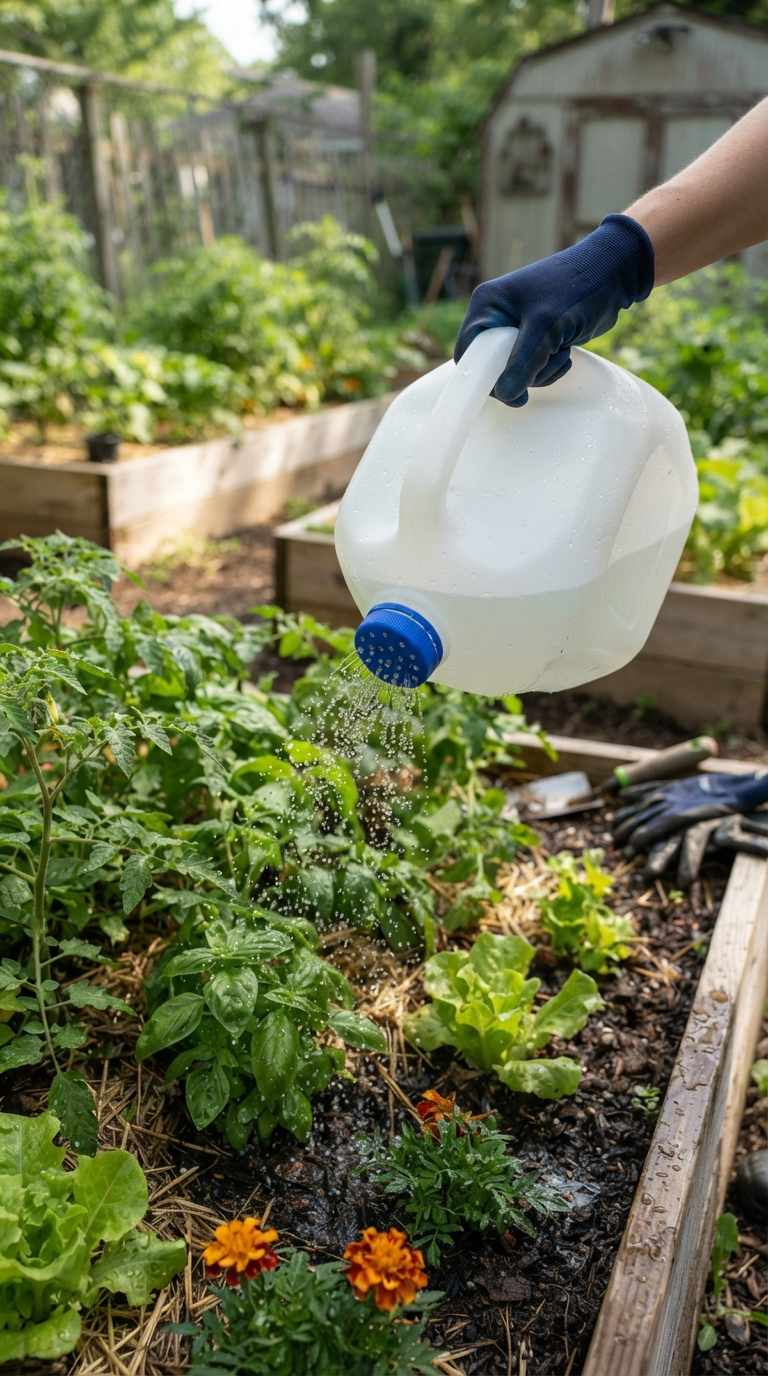
11. Convert Plastic Jugs into Gentle Watering Cans

Drilling holes into the spout of large plastic jugs creates DIY watering cans that deliver a soft shower effect to delicate plants like basil and marigolds.
This even watering technique prevents soil erosion and protects seedlings from damage caused by heavy water streams.
Using reclaimed containers reduces plastic waste and cuts costs.
Optimize watering by spacing holes evenly and adjusting the flow rate to suit plant size.
This hack works well in raised beds and container gardens during late spring and summer when moisture retention is critical.
12. Start Seeds in Repurposed Muffin Tins

Using metal muffin tins as seed-starting trays offers a controlled, space-efficient way to germinate seeds when seed trays are unavailable.
Each compartment holds individual seedlings, simplifying transplanting and reducing root entanglement, ideal for brassicas like kale and Brussels sprouts.
Fill compartments with quality seed-starting mix, and maintain moist but well-drained conditions indoors during early spring.
Line the bottom with drainage holes if needed to prevent waterlogging.
After germination, harden off seedlings before moving to garden beds for best results.
13. Soothe Bucket Handles with Pool Noodles

Adding a pool noodle section as cushioning to a bucket handle transforms heavy loads into ergonomic tools that reduce hand fatigue during prolonged gardening tasks.
This simple modification offers comfort when transporting soil, compost, or garden tools up dips or long distances.
The inexpensive pool noodle is easy to cut and secure, and the foam resiliency lasts through multiple uses.
This comfort hack is especially useful in late spring and summer when gardening workloads peak.
Consider adding grips to other hard-to-handle tools for extended comfort.
14. Use Soap Bars for Natural Pest Repellent

Hanging a fragrant soap bar near vegetables like tomatoes helps repel common pests such as aphids and whiteflies without harsh chemicals.
The soap’s scent and surface disrupt insect attraction, offering an eco-friendly pest management layer.
Ensure the soap hangs close but does not touch plants to avoid residue buildup.
Replace bars as scent fades, particularly during active pest seasons in late spring and early summer.
Select gentle soaps with natural ingredients like oatmeal and honey to avoid plant irritation.
15. Create Mini Greenhouses from Plastic Bottles

Cutting clear plastic soda bottles to form cloches over seedlings establishes a microclimate of warmth and humidity, accelerating growth and protecting against frost or pests.
This mini greenhouse technique is ideal for tender plants like tomatoes during early garden establishment.
Keep bottle caps on to maintain moisture but lift occasionally to prevent mold buildup.
Place the cloche over seedlings once soil temperature warms in late spring and remove as plants harden off.
This inexpensive repurposing extends the growing season and shields young plants naturally.
16. Organize Tools with Repurposed Rake Heads

Mounting an old garden rake head horizontally on a shed wall creates an effective multi-hook organizer, keeping essential tools like trowels, pruning shears, and gloves neatly accessible.
This smart use of a common item reduces clutter and improves workflow efficiency.
Secure the rake firmly and arrange tools by function or frequency of use for streamlined care.
This hack suits small garden sheds or workspaces, optimizing storage without costly racks.
Rotate tool positioning seasonally to accommodate varying gardening tasks.
17. Vertical Herb Garden Using Shoe Organizers

Repurposing fabric shoe organizers as vertical planters solves space constraints by providing multiple pockets for planting herbs like basil, thyme, rosemary, and sage.
This approach maximizes vertical surfaces such as fences, making fresh herbs accessible even in urban or balcony gardens.
Fill pockets with quality potting soil ensuring good drainage.
Regular watering and trimming maintain plant health and prevent overcrowding.
Choose hardy, sun-loving herbs and rotate pockets to optimize light exposure.
This method suits gardeners seeking compact, functional gardening options.
18. Wooden Pallets as Vertical Succulent Displays

Transforming wooden pallets into vertical succulent gardens optimizes limited outdoor space while showcasing drought-tolerant plants such as echeveria, sedum, and aloe.
The slatted design supports pot placement, promotes airflow, and enhances drainage, essential for succulents’ root health.
Use well-draining soil mixes and position the pallet in sunny locations to meet succulent needs.
This inexpensive upcycling method works well on patios or balcony walls, providing an attractive living art piece alongside easy maintenance during dry summer months.
19. Secure Tomato Plants with Clothespins

Attaching wooden clothespins to stakes gently holds tomato stems upright without cutting or constricting growth.
This avoids damage caused by conventional ties or clips while providing stable, adjustable support throughout the growing season.
Apply clips midway up stems in spring or early summer when plants begin producing fruit.
Use coarse mulch beneath the plant to retain moisture and reduce weeds.
Clothespins offer a reusable, low-cost alternative to plastic ties, promoting airflow and minimizing disease risk.
20. Repurpose Clear Umbrellas as Mini Greenhouses

Placing transparent umbrellas above seedlings creates an easy and affordable mini greenhouse that shields plants from excessive rain, pests, and harsh sun while allowing light penetration.
This approach maintains optimal moisture and temperature for delicate crops like lettuce.
Secure the umbrella handle firmly into the ground to withstand wind.
Remove during extended dry spells to avoid overheating.
This hack is especially useful in unpredictable climates or early growing seasons where plant protection is critical but complex covers aren’t practical.
21. Newspaper Mulch for Eco-Friendly Weed Control

Laying wet newspaper sheets around young plants serves as an effective, biodegradable weed barrier that suppresses unwanted growth while allowing moisture and air to reach roots.
This method reduces manual weeding and avoids plastic mulches, benefiting garden health and soil structure.
Overlap newspaper layers to prevent light penetration and secure edges to prevent blowing.
Replace or supplement with organic mulch like straw after the newspaper breaks down.
Use during planting in spring or summer for annual crops such as tomatoes and herbs.
22. Old Shutters Become Vertical Trellises

Repurposing weathered wooden shutters as trellises provides strong vertical support for climbing plants such as sweet peas and morning glories, saving garden space and enhancing aesthetics.
The slats offer multiple points for plant attachment and encourage upward growth.
Position the shutters securely on porches or against walls and train vines early in the growing season.
Their rustic appeal complements small urban or container gardens where ground space is limited.
Maintain gentle pruning to maximize blooms and airflow, reducing disease.
23. Salt as a Natural Pest Deterrent

Sprinkling coarse salt around tomato plants can deter slugs and soft-bodied insects naturally, reducing chemical pesticide reliance.
Salt disrupts pest mobility without harming the plant if kept localized on mulch rather than soil directly.
Apply salt in small quantities, focusing on mulch surfaces during early summer when pest activity increases.
Avoid overapplication to prevent soil salinization and damage.
Combine with companion planting and physical barriers for integrated pest management.
24. Slow-Release Watering with Inverted Wine Bottles

Inserting inverted wine bottles filled with water into soil delivers a steady, controlled moisture supply to vegetable and leafy greens, conserving water and reducing irrigation frequency.
This slow-release technique prevents overwatering and runoff, optimizing soil moisture levels.
Place the bottles near root zones during warm, dry periods to maintain consistent hydration.
Use bottles with narrow necks to regulate flow and refill as needed.
This low-cost, recycling-focused hack suits raised garden beds and container gardens.

Leave a Reply